Inspection Drive Begun To Curb Edible Oils Hoarding: Food Secretary
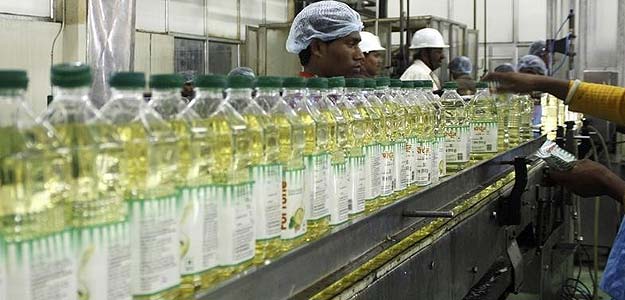
Government on Monday said it has initiated an inspection drive to curb hoarding and black marketing of edible oils and oilseeds to arrest rising retail prices and boost their availability.
The country, which is dependent on the imports of edible oil to meet over 60 per cent of its domestic demand, has seen a sharp rise in retail prices of various types of cooking oils in the last couple of months due to the global geopolitical situation. The prices have continued to rule firm despite several government measures.
"The government has taken many measures. A recent step is that we have initiated an inspection drive from April 1 to curb hoarding and black marketing of edible oils and oilseeds," Food Secretary Sudhanshu Pandey said.
Mr Pandey said that a central team along with state government officials is conducting inspections in various oilseeds and edible oil-producing states.
Large states like Uttar Pradesh, Madhya Pradesh and Maharashtra are being covered now, he said, adding that the drive will be intensified in the coming days.
About other measures, the secretary said the government has already cut import duty on edible oils, extended stock holding limits and ensured early clearance of vessels at ports, besides facilitating imports through private traders.
That apart, the Centre is holding regular meetings with states to ensure maximum retail price (MRP) fixed by wholesalers are being adhered to by the retailers, Mr Pandey said.
In the case of sunflower oil, the secretary said Russia and Ukraine are the two major suppliers, and private traders are making efforts to source from other countries, but it would be of a small quantity.
As per the data maintained by the consumer affairs ministry, there has been sharp surge in average retail prices of soyabean oil, sunflower oil and palm oil in the last three months.
The average retail price of sunflower oil is ruling as high as Rs 184.58 per kg as on April 4 compared to the rate of Rs 161.71 a kg on January 1 this year.
Similarly, the average retail price of soyabean oil has increased to Rs 162.13 per kg from Rs 148.59 per kg, while that of palm oil has risen to Rs 151.59 per kg from Rs 128.28 per kg in the said period.

-
Signature Play: The Classic Cocktail Is Dead. Or Is It?

Classic cocktails are disappearing from India's cocktail menus. But they're still being ordered, taught to bartenders and borrowed from. So, who's really having the last drink?
-
A New Samvat Wishlist: Inclusive Prosperity And Human Development
India has strengthened its economic foundations through infrastructure, digital access and enterprise. Its next growth chapter must deepen productivity, create better livelihoods and widen participation in prosperity.
-
Love, Sex Aur Dhokha: The Audacious Plot To Spy On Jensen Huang
A Taipei dinner, a Singapore chip buyer and a suspected Chinese asset: inside the alleged spy operation that got close to NVIDIA's Jensen Huang.
-
Ten Things I Learnt This Samvat
Patience can be a trap. Cheap stocks can stay cheap. Leverage can wipe you out. What did Samvat 2082 teach us? Niraj Shah writes on 10 lessons from the year gone by.
-
Talking Points This Week: Tech Nerves, FII Buying, And A Faraway Banking Shock
The global markets are not shining this Diwali. The exception in the large markets is, India.
-
Midterm Rally Lasted A Day. The Hard Reality Of A Divided US May Last Two Years | Opinion
Between a contested AI boom, a debt ceiling that arrives in 2027 and a president with every incentive to act alone, the next two years may prove more volatile than the first day's rally suggests.
-
Blue Wave Will Derail the AI Trade but Won't Dismantle the AI Era | Unhedged Position
The Democrats' sweep of the US Congress will see politics collide with economic forces both over the long and short term.
-
It's Time To Take The GST Council's Bet On Trust Global
Payment records can prove India's services exports, and clear, proportionate rules can bring foreign digital sellers into the tax net.
-
Opinion | India at 38: From Innovation Overperformer to Innovation Powerhouse
India now has 453 VC-backed deep science startups, 18 of them late-stage, after 117 percent growth since 2020. Laurus Labs, at USD 9.3 billion, is the most valuable deep science company in any middle-income economy outside China.









