Government Says It’s Taking Steps To Trace Missing GST Filers
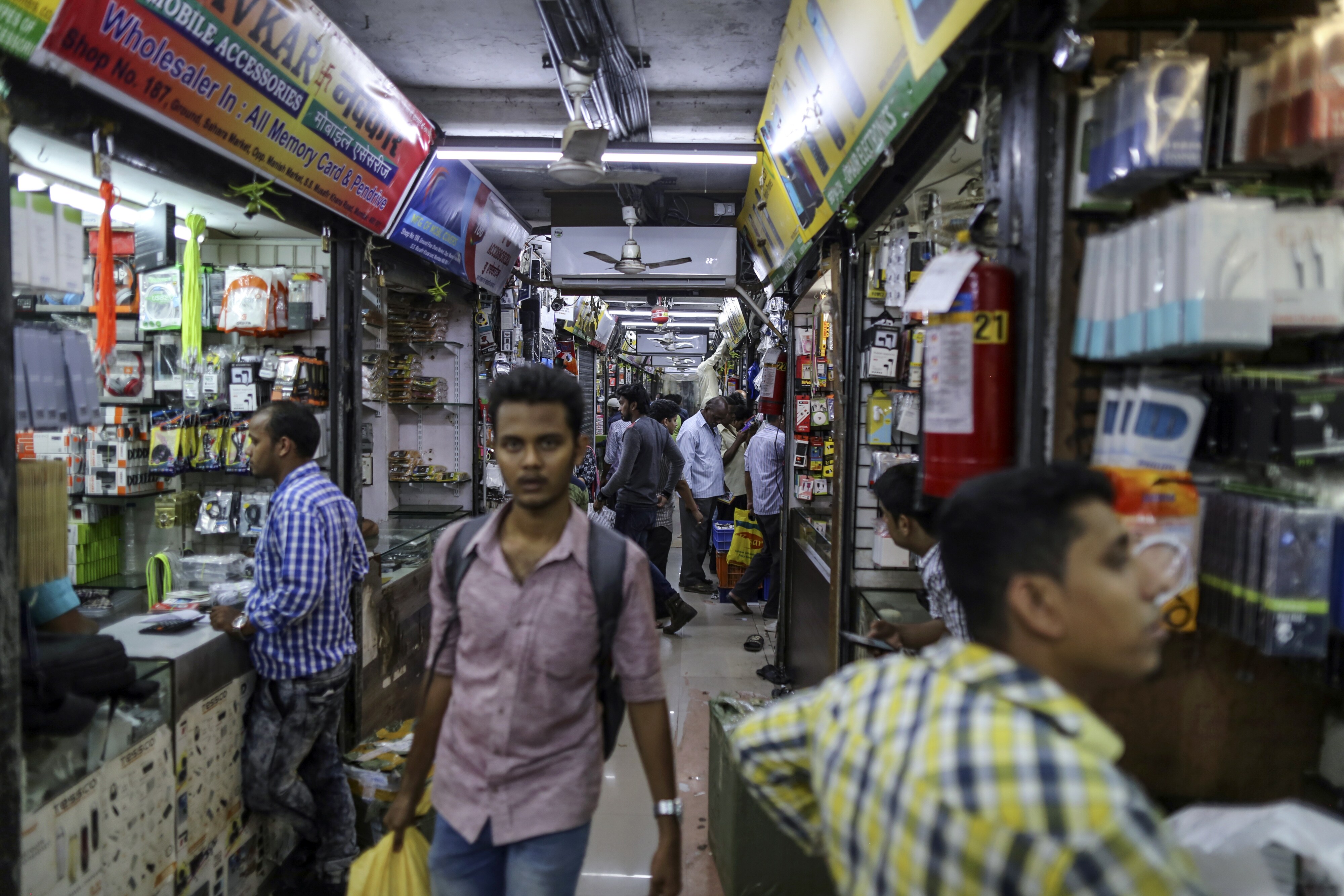
With the number of taxpayers not filing their goods and services tax returns on the rise, the government is taking steps to trace such filers.
The number of taxpayers who didn't file GST returns rose from 14.21 percent of the total eligible filers in July 2017 to 28.75 percent in November 2018, according to a response written response by Minister of State for Finance Shiv Pratap Shukla in the Lok Sabha. The number of eligible filers increased from 74.61 lakh to 98.46 lakh during the same period, the minister said.
To be sure, the number of GSTR-3B returns—also known as the summary sales returns—filed for previous months may have been revised and include late returns filed by taxpayers. In its meeting on Dec. 22, the GST Council waived late fee for filing GSTR-1, GSTR-3B, GSTR-4 returns for 15 months from July 2017. These returns can be filed after Dec. 22, but before March 31.
The percentage of taxpayers that have availed the composition scheme, but not filed GST returns increased from 15.03 percent in July-Sep 2017 to 25.37 percent in July-Sep 2018, according to the minister's response. Taxpayers can avail the composition scheme—in which returns must be filed quarterly—if their annual turnover doesn't exceed Rs 1.5 crore, by paying a flat tax rate.
The response comes even as the Directorate General of Goods and Services Tax Intelligence detected indirect tax evasion worth Rs 18,656 crore in April-August 2018, more than double over the year-ago period, BloombergQuint reported in October last year.
The details of non-filers are regularly shared with jurisdictional tax authorities and the income-tax department is conducting inspections, visiting business premises of such taxpayers, and conducting search and seizure operations, Shukla told the Parliament.
Soon after GST was rolled out, returns filed by composition dealers took the government by surprise, Livemint newspaper reported, as only about 7 lakh out of 10 lakh businesses that opted for the composition scheme during the quarter ended September 2017 filed their GST returns. Out of these taxpayers, 5 lakh people with annual turnover of less than Rs 5 lakh had filed such returns. Businesses with annual turnover of up to Rs 20 lakh are currently exempt from registering under GST regime.
Shukla also said that the tax authorities have detected cases where fake invoices were being used by businesses to claim input tax credit to lower their tax liability. Four such cases were detected between July 2017 and March 2018 involving a total amount of Rs 9.75 crore. The number of cases involving fake invoices increased to 499 in 2018-19 (up to December) in which the amount under evasion was Rs 3,895 crore, the minister said.
Effective enforcement measures are being undertaken to check cases of tax evasion and fake invoices, Shukla said. “The government is committed to increase the percentage of compliance by taxpayers under GST.”
An extensive outreach programme has been carried out across the country to create awareness among traders, industry bodies and other stakeholders, he said.
The government's decision of waiving late fees for delayed filing of returns now, should help better this compliance ratio and related GST collections, said Abhishek Jain, an indirect tax partner at EY India.

-
We May Need Another Tukaram Mundhe To Fight Air Pollution | The Reason Why

Developers may install basic measures such as sprinklers and green nets, resume work, and continue violating rules when this equipment stops working.
-
Extracting Value From Battery Scrap Could Be Challenging For India | The Reason Why
A discarded lithium-ion battery still contains valuable materials such as lithium, nickel and cobalt. These can be recovered and reused. When such batteries are crushed and shredded, they produce a dark powder called black mass.
-
One El Nino, India Can Handle. Two Could Break The Granary
India's grain stocks can absorb one bad year, but a second El Nino could drain the buffer in two to three years, economists say.
-
India's Troika Of Good Luck | Joining The Dots
As Jensen Huang's exit drags Nvidia down, a cooling AI trade and resilient earnings have revived investor interest in India. A likely RBI rate hike looms.
-
Talking Points This Week: Leadership Shock At Nvidia, Earnings Strength, And The Fog Over Hormuz
The Anthropic IPO pricing and first trading day, Nvidia's upcoming earnings, and any fresh signals from Iran will set the tone for the following week.
-
Signature Play: The Classic Cocktail Is Dead. Or Is It?
Classic cocktails are disappearing from India's cocktail menus. But they're still being ordered, taught to bartenders and borrowed from. So, who's really having the last drink?
-
A New Samvat Wishlist: Inclusive Prosperity And Human Development
India has strengthened its economic foundations through infrastructure, digital access and enterprise. Its next growth chapter must deepen productivity, create better livelihoods and widen participation in prosperity.
-
Love, Sex Aur Dhokha: The Audacious Plot To Spy On Jensen Huang
A Taipei dinner, a Singapore chip buyer and a suspected Chinese asset: inside the alleged spy operation that got close to NVIDIA's Jensen Huang.
-
Ten Things I Learnt This Samvat
Patience can be a trap. Cheap stocks can stay cheap. Leverage can wipe you out. What did Samvat 2082 teach us? Niraj Shah writes on 10 lessons from the year gone by.
-
Talking Points This Week: Tech Nerves, FII Buying, And A Faraway Banking Shock
The global markets are not shining this Diwali. The exception in the large markets is, India.









