Government Puts Off Air India Stake Sale In An Election Year
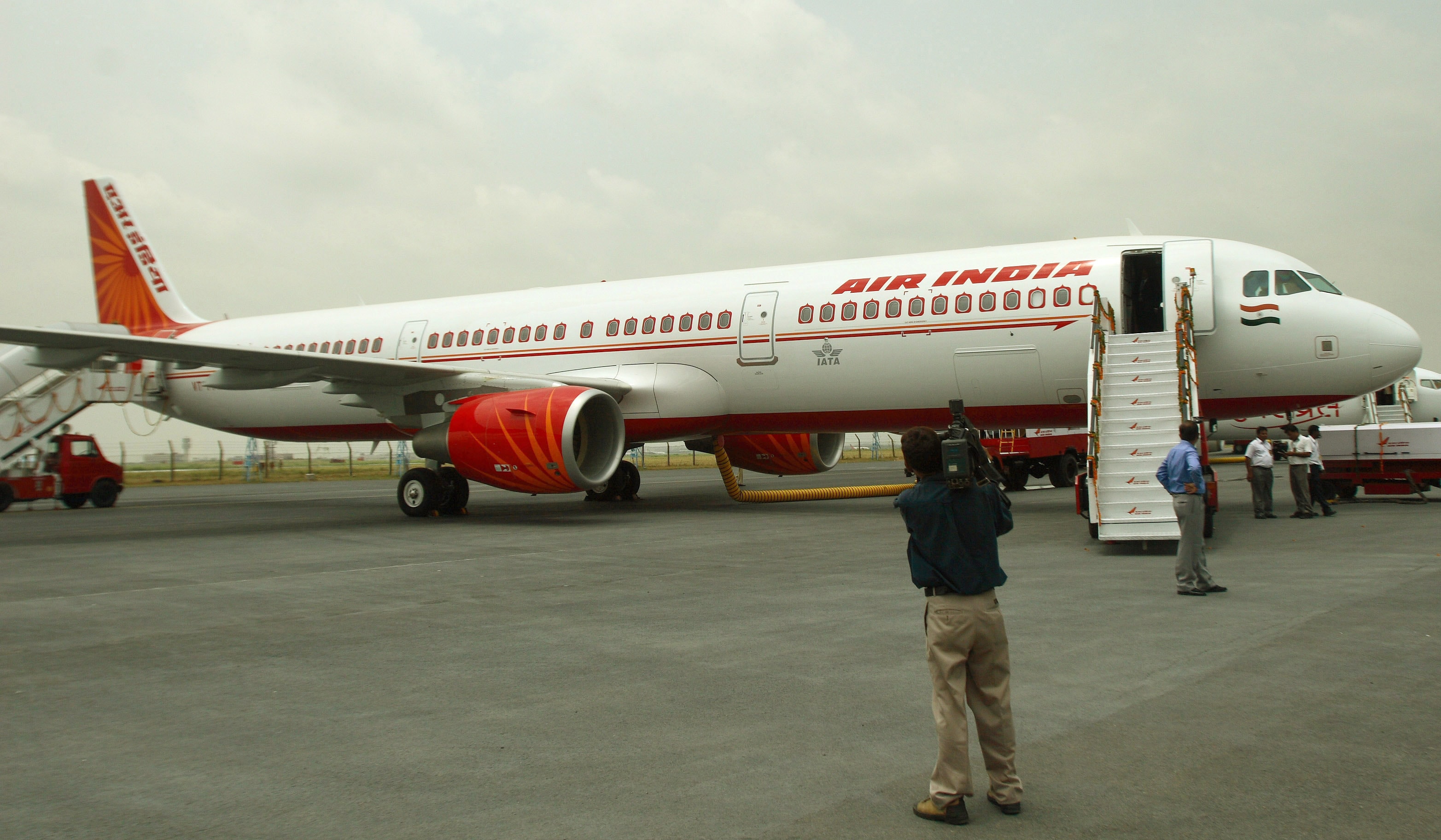
The government has decided not to go ahead with the Air India stake sale in an election year and will provide the required funds for its operations, a senior official said today.
The decision comes less than three weeks after a proposed 76 percent strategic stake sale in the debt-laden national carrier failed to attract any bidders.
Air India will soon get funds from the government for its day-to-day operations and will also place orders for a couple of aircraft, the government official added.
The decision was taken yesterday at a high-level meeting convened by Union Minister Arun Jaitley. The meeting was attended by Piyush Goyal, who has been temporarily given the charge of finance ministry, Civil Aviation Minister Suresh Prabhu, Transport Minister Nitin Gadkari and other senior officials of finance and civil aviation ministries.
"The airline is posting operational profits. None of the flights go empty. With all the cost efficient mechanism in place, we will continue improving its operational efficiency. There is no need to rush in for disinvestment as of now," the official said.
The government is looking at turning around the company to ensure that it makes profits on overall basis before being listed.
"Certain conditions have to be met before listing a company. Once Air India fulfills those, we will go in for an initial public offering and subsequent listing," the source said.
As per SEBI norms, a company has to post profit in previous three financial years before it can list itself in the stock exchanges.
"The focus is on improving operational efficiency. We will continue to boost employee morale, starting from the top level, to better the functioning of the airline. Funds will be provided as and when required," the source added.
The government had originally proposed to offload 76 percent equity share capital of the national carrier as well as transfer the management control to private players. The buyer would have had to take over Rs 24,000 crore debt or the carrier along with over Rs 8,000 crore worth of liabilities.
However, the stake sale failed to attract any bidders when the bidding process got completed on May 31.

-
Getting To Work Costs Women More | The Reason Why

It is not just about women paying more than men. It is about women paying much more in cities than in villages.
-
AI Bias In Investing Cannot Be Eliminated, But It Can Be Governed
Framing is a particularly important example as identical financial information presented in terms of gains rather than losses can lead an LLM to reach a different assessment.
-
Joining The Dots | Dark Skies, Steady Diya: Why Hope Holds This Diwali
With war, a weak rupee and foreign outflows weighing on sentiment, policymakers at the NDTV World Summit and market veterans at NDTV Profit Ignite: Diwali Edition offered the same advice: stay invested and filter out the noise.
-
The Curious Case of Equitas Small Finance Bank And A CEO Who Quit For Stock
PN Vasudevan believes persistent investor concerns over a perceived conflict of interest had become a governance overhang on Equitas Small Finance Bank's stock, even as the lender improved profitability and asset quality.
-
Talking Points This Week: AI Cash Burn, A Tiger Comeback And An India That Still Finds Its Own Path
India is not immune to higher oil or tighter global liquidity, yet its earnings base is broader, its domestic policy levers are still available.
-
Foreign Investors Own Half Of HDFC Bank and ICICI Bank. An LTCG Cut Could Matter Most Here
Foreign portfolio investors have US$115 billion parked in HDFC Bank, ICICI Bank. If the government cuts long-term capital gains tax, Jefferies says returning foreign money could land here first.
-
'Never Seen This Level Of Negativity': Sandeep Tandon Says The Next Rally May Be Closer Than You Think
Veteran investor Sandeep Tandon says foreign selling is easing, large-caps are due a comeback and mid-caps are crowded, while he turns positive on gold, power and pharma this Diwali.
-
Indians Stay With Family, Not In Hotels | The Reason Why
India still lacks enough clean, reliable and affordable hotels for budget-conscious travellers.
-
The Economic Imperative: Analysing The Material Driving Force Behind India-Canada Strategic Reset
This economic complementarity is further reinforced by deep institutional investment ties and talent mobility, which form the bedrock of the bilateral framework.
-
Medicine Pricing: Where Must Profit Stop?
India must confront excessive margins, hidden incentives and regulatory gaps that threaten the integrity of medicine.










