Government Puts Mobile Phone Makers On Notice Over Data Privacy
- Notice sent to Chinese and other device makers to provide framework followed for data security.
- This is with regard to hardware and software in mobile phones.
- As many as 21 phone makers have been asked to give “detailed, structured written response”.
- IT ministry has given time till August 28 to all companies to furnish their responses.
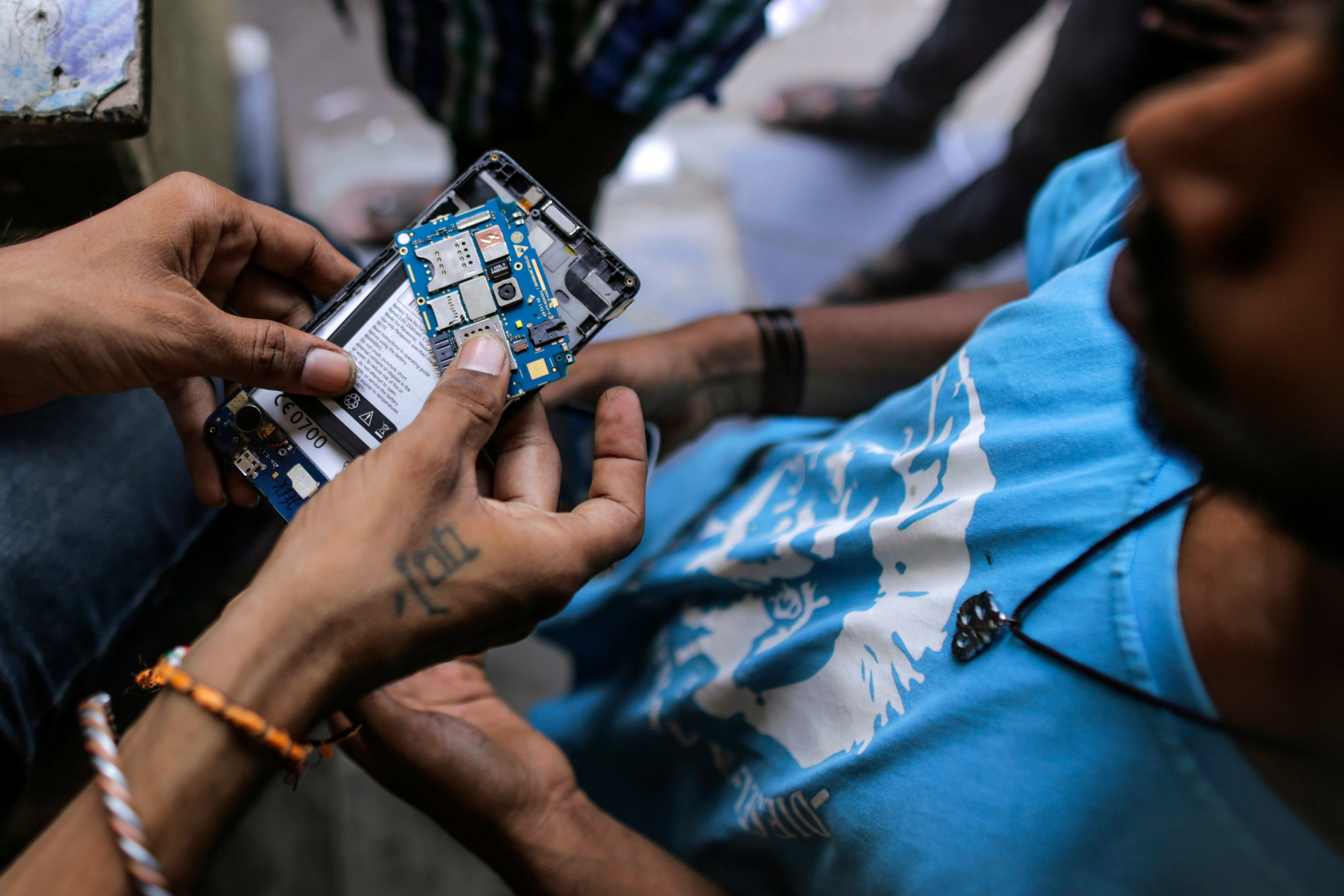
Wary of hacking and stealing of information from smartphones, the government has sent notices to Chinese and other device makers to provide the framework and procedures followed for data security.
As many as 21 phone makers, including leading Chinese brands Vivo, Oppo, Xiaomi and Gionee, have been asked to give “detailed, structured written response” on how they secure data and ensure its safety and security, a government order said.
The directive comes amid the stand-off between India and China over Dokalam as also rising concerns over imports of Chinese IT and telecom products. According to an estimate, mobile phone import stood at $3.7 billion in 2016-17.
The directive follows fears of hacking of information on mobile phones – many Chinese manufacturers have their servers in China – as also personal information such as contact lists, messages and pictures being stolen.
Non-Chinese phone makers such as Apple, Samsung, BlackBerry and Indian players are also among the companies that have been sent notice by the Ministry of Electronics and Information Technology.
“The ministry has given time till August 28 to all companies to furnish their responses,” a senior IT ministry official said. He referred to international and domestic reports on data leaks from mobile phones and said that in the first phase, devices along with pre-loaded software and apps will come under scrutiny. Based on response of the companies, the ministry will initiate verification and audit of devices wherever required.
It has also warned of penalties under provisions of IT Act 43 (A) in case stipulated processes are not followed. In certain cases, the failure to take measures can result in penalty of about Rs 5 crore, ministry officials said.
The official said the objective of the exercise is to ensure required data security measures are being taken with regard to hardware and software in mobile phones.
The IT ministry order, dated August 12, asked the companies to "provide a detailed, structured written response about the safety and security practices, architecture, frameworks, guidelines and standard etc followed and implemented in your product and services, provided in the country".
It said there is a need to "ensure the security and safety" of the devices and they should provide "secure transmission and storage of data".
"The security of the mobile devices must address all layers, including security for hardware, operating system and application, securing network communications, encryption standards used and the like. Also, the updating of operating system, firmware and application must be done in a secure manner," the order said.
The government wants the phone manufacturers to develop layered security measures that can guard against any unauthorised access.
"Security measures must be developed and applied to smartphones, from security in multiple layers of hardware, firmware and software to the dissemination of information to the actual users," the order said.
"Good security practices must be observed at all levels, from design to use through the development of operating systems, hardware, firmware and software layers and for the secure implementation of communication protocols and encryption standards," it stated.
According to the government, mobile phones particularly smartphones are playing a crucial role in achieving the goals of Digital India and have achieved a penetration of 65-75 percent.
"Today, these devices hold valuable information of the users while empowering them to interact with their surroundings in innovative ways. Citizens place their trust in the convenience and productivity that these devices offer," it said.
IT Minister Ravi Shankar Prasad had called a meeting of senior officials in the department as well as representatives of Cert-In and others on August 14 to take stock of the situation.
When contacted, Indian Cellular Association (ICA) National President, Pankaj Mohindroo said that while there can be no argument on the need to have secure communication and protection of data, the issue needs to be viewed in its entirety.
"Different levels of consumer verticals need different levels of security, commensurate with the degree of risk. We need to move towards an ecosystem fostering innovation and creativity in the development of mobileapplications services and transactions etc," Mohindroo said.
The mobile handset industry is "deeply cognisant" of the security requirements of the nation, said ICA, which is a body of mobile handset companies operating in India.

-
The Curious Case of Equitas Small Finance Bank And A CEO Who Quit For Stock

PN Vasudevan believes persistent investor concerns over a perceived conflict of interest had become a governance overhang on Equitas Small Finance Bank's stock, even as the lender improved profitability and asset quality.
-
Talking Points This Week: AI Cash Burn, A Tiger Comeback And An India That Still Finds Its Own Path
India is not immune to higher oil or tighter global liquidity, yet its earnings base is broader, its domestic policy levers are still available.
-
Foreign Investors Own Half Of HDFC Bank and ICICI Bank. An LTCG Cut Could Matter Most Here
Foreign portfolio investors have US$115 billion parked in HDFC Bank, ICICI Bank. If the government cuts long-term capital gains tax, Jefferies says returning foreign money could land here first.
-
'Never Seen This Level Of Negativity': Sandeep Tandon Says The Next Rally May Be Closer Than You Think
Veteran investor Sandeep Tandon says foreign selling is easing, large-caps are due a comeback and mid-caps are crowded, while he turns positive on gold, power and pharma this Diwali.
-
Indians Stay With Family, Not In Hotels | The Reason Why
India still lacks enough clean, reliable and affordable hotels for budget-conscious travellers.
-
The Economic Imperative: Analysing The Material Driving Force Behind India-Canada Strategic Reset
This economic complementarity is further reinforced by deep institutional investment ties and talent mobility, which form the bedrock of the bilateral framework.
-
Medicine Pricing: Where Must Profit Stop?
India must confront excessive margins, hidden incentives and regulatory gaps that threaten the integrity of medicine.
-
Why Amazon And Flipkart Are Struggling To Beat Meesho In India's Smaller Cities
With 274 million users and lowest-cost logistics, Meesho is defending its value commerce crown against giants like Amazon and Flipkart.
-
High US Salaries, No Green Card Certainty: The Financial Calculation Facing Indian H-1B Families
The suspension of PERM processing at eight technology employers does not cancel existing H-1B visas. What it does is force a question many Indian families have been avoiding: is the US salary worth tying your career and family plans to one employer?
-
Swiggy vs Eternal: Food Delivery's Two Rivals Are No Longer In The Same Race
Eternal is building a private AI assistant, dark.ai. Swiggy is still working out how to make Instamart pay, with an operating loss of Rs 895 crore in the July-September quarter while Blinkit stayed profitable.










