Government Pushes Lending, Asks Banks For Data On New Loans: Report
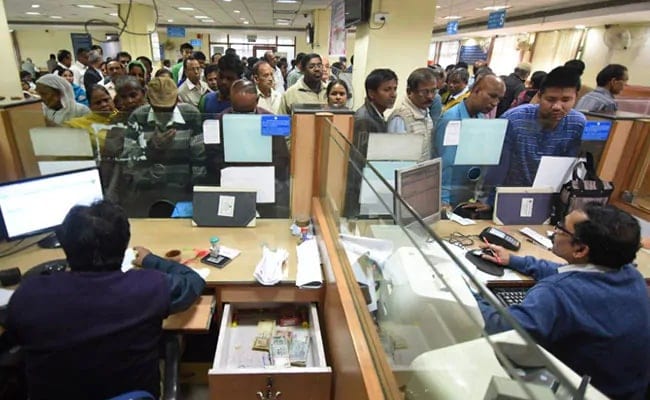
Government has redoubled efforts to push state-run banks to boost lending and it has demanded that lenders submit a daily report detailing the volume and scale of loans sanctioned, according to industry sources and documents seen by Reuters.
The finance ministry, in a letter dated April 17 and seen by Reuters, asked banks to furnish detailed data on new loans, including particulars on which sectors were getting them.
The push comes after a recent 75 basis point rate cut by the Reserve Bank of India (RBI), and at a time when the banking system is flush with liquidity pumped in by the RBI to spur new lending and revive flagging growth.
The Indian economy is in a slump with tens of millions of jobs in jeopardy amid a 40-day nationwide lockdown to stem the spread of the new coronavirus.
Despite the RBI's push, several senior banking sector executives said lenders remain reluctant to open the tap amid fears of higher default rates with businesses and jobs at risk.
The banking system is already reeling under nearly $140 billion in bad debt and it needs more guarantees from the government before banks can really start lending, said bankers, who asked not to be identified as they were not authorised to discuss the matter publicly.
Some of the bankers said following the finance ministry push, certain state-run banks had started giving branch-wise targets to ensure lending was taking place and branch managers were being asked for clarification if targets were not met.
The government, however, has not given lenders any targets, one of the bankers said, adding it remained a commercial decision.
The finance ministry and the Indian Banks' Association, an industry body of lenders, did not respond to requests seeking comment.
The lending push comes after loan growth in the last financial year was at a 58-year low despite several attempts by the government to drive credit growth.
It also comes as the number of coronavirus cases in India top 20,000 and some states consider extending their lockdowns.
"The whole business of giving loans is based on money coming back so if there are concerns which are across the board now how can the banks lend?" said a senior executive of a public sector bank.

-
One El Nino, India Can Handle. Two Could Break The Granary

India's grain stocks can absorb one bad year, but a second El Nino could drain the buffer in two to three years, economists say.
-
India's Troika Of Good Luck | Joining The Dots
As Jensen Huang's exit drags Nvidia down, a cooling AI trade and resilient earnings have revived investor interest in India. A likely RBI rate hike looms.
-
Talking Points This Week: Leadership Shock At Nvidia, Earnings Strength, And The Fog Over Hormuz
The Anthropic IPO pricing and first trading day, Nvidia's upcoming earnings, and any fresh signals from Iran will set the tone for the following week.
-
Signature Play: The Classic Cocktail Is Dead. Or Is It?
Classic cocktails are disappearing from India's cocktail menus. But they're still being ordered, taught to bartenders and borrowed from. So, who's really having the last drink?
-
A New Samvat Wishlist: Inclusive Prosperity And Human Development
India has strengthened its economic foundations through infrastructure, digital access and enterprise. Its next growth chapter must deepen productivity, create better livelihoods and widen participation in prosperity.
-
Love, Sex Aur Dhokha: The Audacious Plot To Spy On Jensen Huang
A Taipei dinner, a Singapore chip buyer and a suspected Chinese asset: inside the alleged spy operation that got close to NVIDIA's Jensen Huang.
-
Ten Things I Learnt This Samvat
Patience can be a trap. Cheap stocks can stay cheap. Leverage can wipe you out. What did Samvat 2082 teach us? Niraj Shah writes on 10 lessons from the year gone by.
-
Talking Points This Week: Tech Nerves, FII Buying, And A Faraway Banking Shock
The global markets are not shining this Diwali. The exception in the large markets is, India.
-
Midterm Rally Lasted A Day. The Hard Reality Of A Divided US May Last Two Years | Opinion
Between a contested AI boom, a debt ceiling that arrives in 2027 and a president with every incentive to act alone, the next two years may prove more volatile than the first day's rally suggests.
-
Blue Wave Will Derail the AI Trade but Won't Dismantle the AI Era | Unhedged Position
The Democrats' sweep of the US Congress will see politics collide with economic forces both over the long and short term.









