Government Panel Bats For Tax On High-Value Cash Transactions, Digital Currency
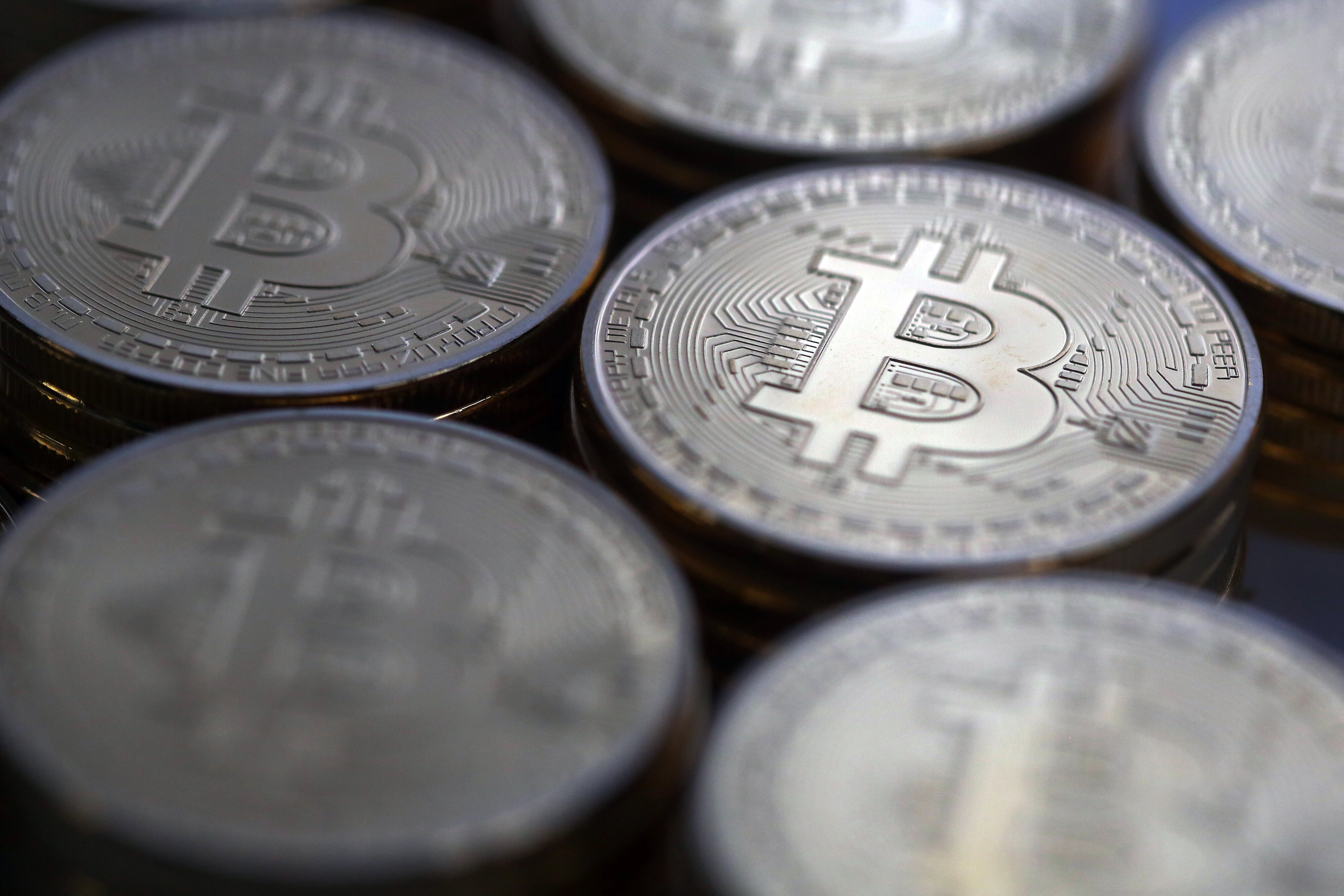
A nominal charge may now be imposed on high value cash transactions if the recommendations made by a committee led by former finance secretary, Ratan Watal, is accepted by the government. The 11-member panel had been entrusted with making recommendations on how to incentivise digital payments.
It has suggested that payments made to various government departments could be a good starting point for imposing such charges.
The Committee recommendsthat cash transaction should be disincentivised by imposingnominal charges after a certain limit. Additionally, the Committee suggeststhat consumer payments to government department/utilities canbe a good starting point for such handling charges.Recommendations Made By The Committee On Digital Payments
The Committee's report was made public on Tuesday after it was submitted to Finance Minister Arun Jaitley earlier this month. The other recommendations include lowering the cost of point of sale machines and the merchant discount rate to disincentivise cash-based transactions.

Boosting Digital Transactions
The Committee has also recommended that the government bear the cost of digital transactions between itself and citizens, in order to further incentivise digital payments.
The Committee recommendsthat when government acts as a merchant, it should bear the costof electronic payments and not pass them on to consumers (eg.merchant fees on card payments or mobile payments like UPI).Recommendations Made By The Committee On Digital Payments
It suggested that the government negotiate the electronic transaction charges with banks and card schemes rather than “imposing regulations on the market”.
It also took up the issue of merchant discount rate or the transaction cost charged to merchants by card payments infrastructure providers and observed that it has not been high enough to incentivise more proliferation of point-of-sale terminals in the country.
“The Committee is of the view that a market driven MDR is an important element in the business of card infrastructure, including setting up and running the terminals. Capping the MDR reduces this incentive,” the Committee observed.
It said MDR should not be further rationalised and left to be determined by market forces.
The 11-member panel also pushes for minimal regulatory intervention and focus upon removal of entry barriers, and ensuring greater competition in the markets.
The Committee therefore recommends that the setting of MDR should be market driven.Recommendations Made By The Committee On Digital Payments
A Bitcoin Like Currency?
In other recommendations, the committee deliberated upon the feasibility of a digital currency issued by the central bank and batted in favour of it. It observed that a significant benefit of such a currency would be the “extreme” difficulty in counterfeiting.
“The Committee notes that several benefits of digital currency, including the instantaneous settlement of transactions, reduction of costs of cash, ability to provide a more comprehensive and unified source...The most significant benefit however, is that the technology makes it extremely difficult to counterfeit, and more importantly enables the central bank to detect the existence of counterfeit currency on a real-time basis,” read the report.

-
Signature Play: The Classic Cocktail Is Dead. Or Is It?

Classic cocktails are disappearing from India's cocktail menus. But they're still being ordered, taught to bartenders and borrowed from. So, who's really having the last drink?
-
A New Samvat Wishlist: Inclusive Prosperity And Human Development
India has strengthened its economic foundations through infrastructure, digital access and enterprise. Its next growth chapter must deepen productivity, create better livelihoods and widen participation in prosperity.
-
Love, Sex Aur Dhokha: The Audacious Plot To Spy On Jensen Huang
A Taipei dinner, a Singapore chip buyer and a suspected Chinese asset: inside the alleged spy operation that got close to NVIDIA's Jensen Huang.
-
Ten Things I Learnt This Samvat
Patience can be a trap. Cheap stocks can stay cheap. Leverage can wipe you out. What did Samvat 2082 teach us? Niraj Shah writes on 10 lessons from the year gone by.
-
Talking Points This Week: Tech Nerves, FII Buying, And A Faraway Banking Shock
The global markets are not shining this Diwali. The exception in the large markets is, India.
-
Midterm Rally Lasted A Day. The Hard Reality Of A Divided US May Last Two Years | Opinion
Between a contested AI boom, a debt ceiling that arrives in 2027 and a president with every incentive to act alone, the next two years may prove more volatile than the first day's rally suggests.
-
Blue Wave Will Derail the AI Trade but Won't Dismantle the AI Era | Unhedged Position
The Democrats' sweep of the US Congress will see politics collide with economic forces both over the long and short term.
-
It's Time To Take The GST Council's Bet On Trust Global
Payment records can prove India's services exports, and clear, proportionate rules can bring foreign digital sellers into the tax net.
-
Opinion | India at 38: From Innovation Overperformer to Innovation Powerhouse
India now has 453 VC-backed deep science startups, 18 of them late-stage, after 117 percent growth since 2020. Laurus Labs, at USD 9.3 billion, is the most valuable deep science company in any middle-income economy outside China.









