Government Expands List Of Essential Items To Include Hygiene Products
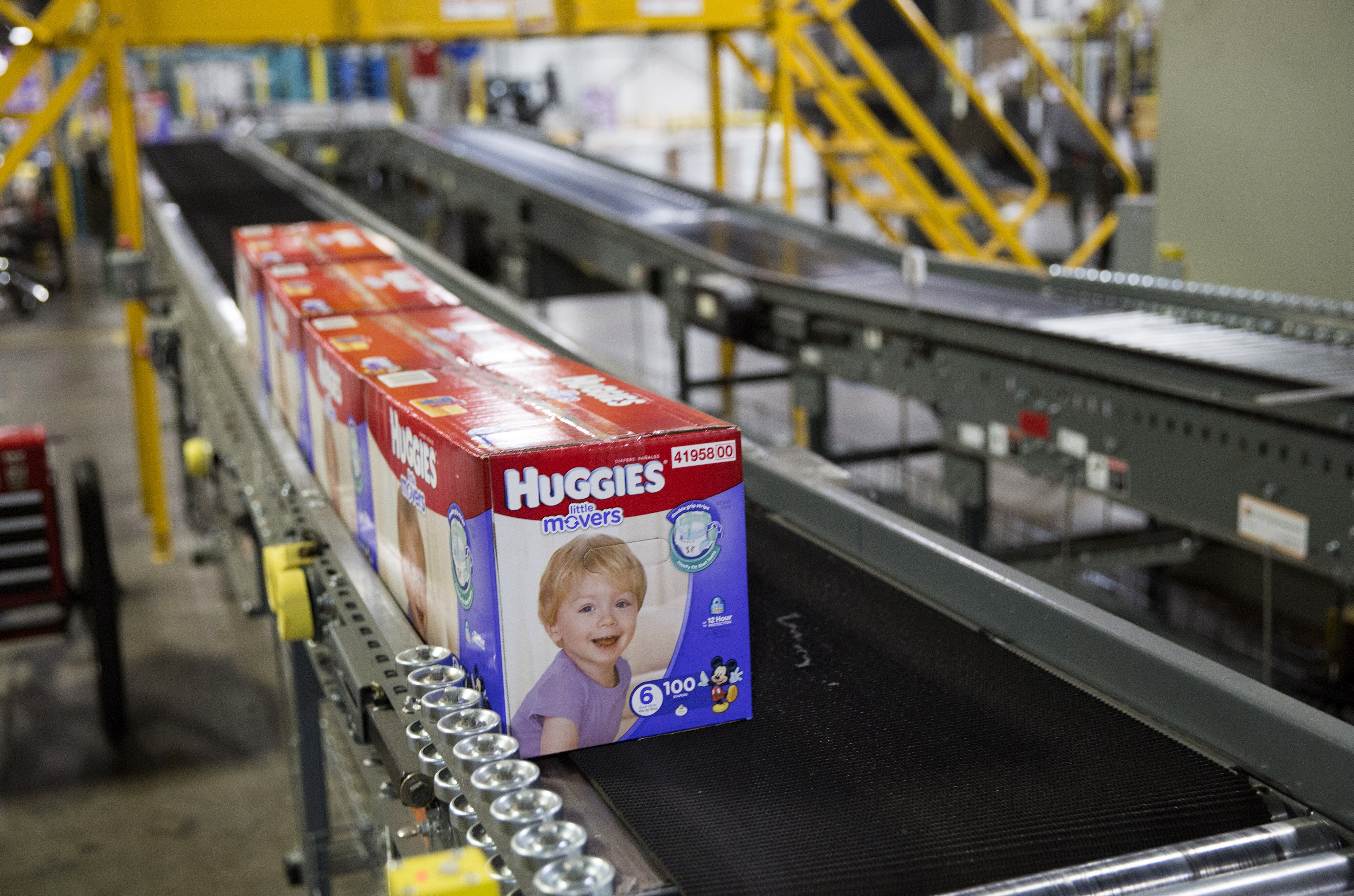
The central government expanded its list of essential items to include hygiene products such as soaps, detergents, sanitary napkins and diapers, among others, that can be sold to the 1.3 billion Indians under a three-week-long lockdown to contain the coronavirus pandemic.
BloombergQuint, on March 29, was the first to report that production of several essential goods were running low as factories stopped production in several states on account of a lack of a common list of essential items. Feminine hygiene products faced imminent risk of going out of stock. Most sanitary napkin makers shut their plants as they weren't included in the essential items list.
“It will take another three to four days to start sanitary napkins manufacturing facilities as it will take time to get all the required permissions and passes for workers,” said Rajesh Shah, president of Feminine and Infant Hygiene Association of India, which includes Johnson & Johnson India and Proacter & Gamble Hygiene that sells sanitary napkins under the brand name Stayfree and Whisper, respectively, among others. Also, these capacities will work at 50 percent capacity utilisation as social distancing needs to be maintained at factories, Shah told BloombergQuint.
An essential item factory needs a certificate from the district industries centre/state government/local police commissioner to resume production, besides access passes for factory workers, transport vehicles and drivers of these vehicles. Private transport to ferry workers while ensuring social distancing norms are met.
What's now included in the list of essential items
- Sanitary napkins
- Diapers
- Soaps and detergents
- Surface cleaners and disinfectants
- Body wash and shampoos
- Tissue papers
- Toothpaste/ other oral care products
- Battery cells, chargers
What was already on the list
- Fruits & Vegetables
- Rice, wheat flour, other cereals and pulses
- Sugar and salt, spices and masalas
- Bakery and dairy (milk, milk products)
- Tea and coffee
- Eggs, meat and fish
- Food grains, oil, masala and food ingredients
- Packaged food and beverages
- Health supplements, nutraceuticals, food for special dietary use and food for special medical purpose
- Infant/baby food
- Animal feed/pet food
- Food delivery services and e-commerce for above mentioned products
- Cold storage and warehousing of food products
- Fuel such as coal, rice husk, diesel/furnace oil and others necessary to run manufacturing plants and factories
- All raw materials, intermediaries, packaging materials needed to support the above list of products

-
Your iPhone Costs 12 Grams Of Gold, A Car About 100. What Does Your Life Weigh?

Measured in rupees, almost everything looks more expensive than it did a generation ago. Measured in grams of gold, a lot of it has become cheaper.
-
Gold Is Rs 22,000 Cheaper Than A Month Ago. Should You Buy Amid The Wedding Season?
Gold's potential slide to $3,500 could save around Rs 4,700 per 10 grams, but a soft inflation print could just as easily push prices back up. One way to split the risk is to buy in parts, some now and the rest after the Fed's Dec. 9 decision.
-
AI Agents Are Gaining Power. Who Governs Them?
Artificial intelligence agents promise to transform productivity by moving machines from assisting decisions to executing them. But as organisations delegate greater authority to these AI-agents, they must first establish who controls that authority and who remains accountable when things go wrong.
-
Why Swapping Your Old Gold Can Trigger A Rs 5 Lakh Tax Bill, And How You Can Avoid It Legally
Swapping old gold for new is taxed as a sale and a fresh purchase. Getting your own gold remade can cut most of that bill, though it has its own costs.
-
The AI Trade is Done. The Real Opportunity for Investors Starts in 2027 | Unhedged Position
As pureplay AI stocks plunge and circular, capex-led financing unwinds, 2027 is set to be a year of reckoning for AI companies. Yet the bust clears the way for a better opportunity for investors in 2027 -- shifting the spotlight from AI builders to the companies using AI.
-
Leadership As Mission: Why The Age Of AI Demands More Human Leadership
Debjani Ghosh examines how AI is changing leadership, arguing that its success must be measured by its impact on people and the accountability of those guiding its use.
-
We May Need Another Tukaram Mundhe To Fight Air Pollution | The Reason Why
Developers may install basic measures such as sprinklers and green nets, resume work, and continue violating rules when this equipment stops working.
-
Extracting Value From Battery Scrap Could Be Challenging For India | The Reason Why
A discarded lithium-ion battery still contains valuable materials such as lithium, nickel and cobalt. These can be recovered and reused. When such batteries are crushed and shredded, they produce a dark powder called black mass.
-
One El Nino, India Can Handle. Two Could Break The Granary
India's grain stocks can absorb one bad year, but a second El Nino could drain the buffer in two to three years, economists say.
-
India's Troika Of Good Luck | Joining The Dots
As Jensen Huang's exit drags Nvidia down, a cooling AI trade and resilient earnings have revived investor interest in India. A likely RBI rate hike looms.









