Government Eases Rules For Organ Donation, Relaxes Cap On Age
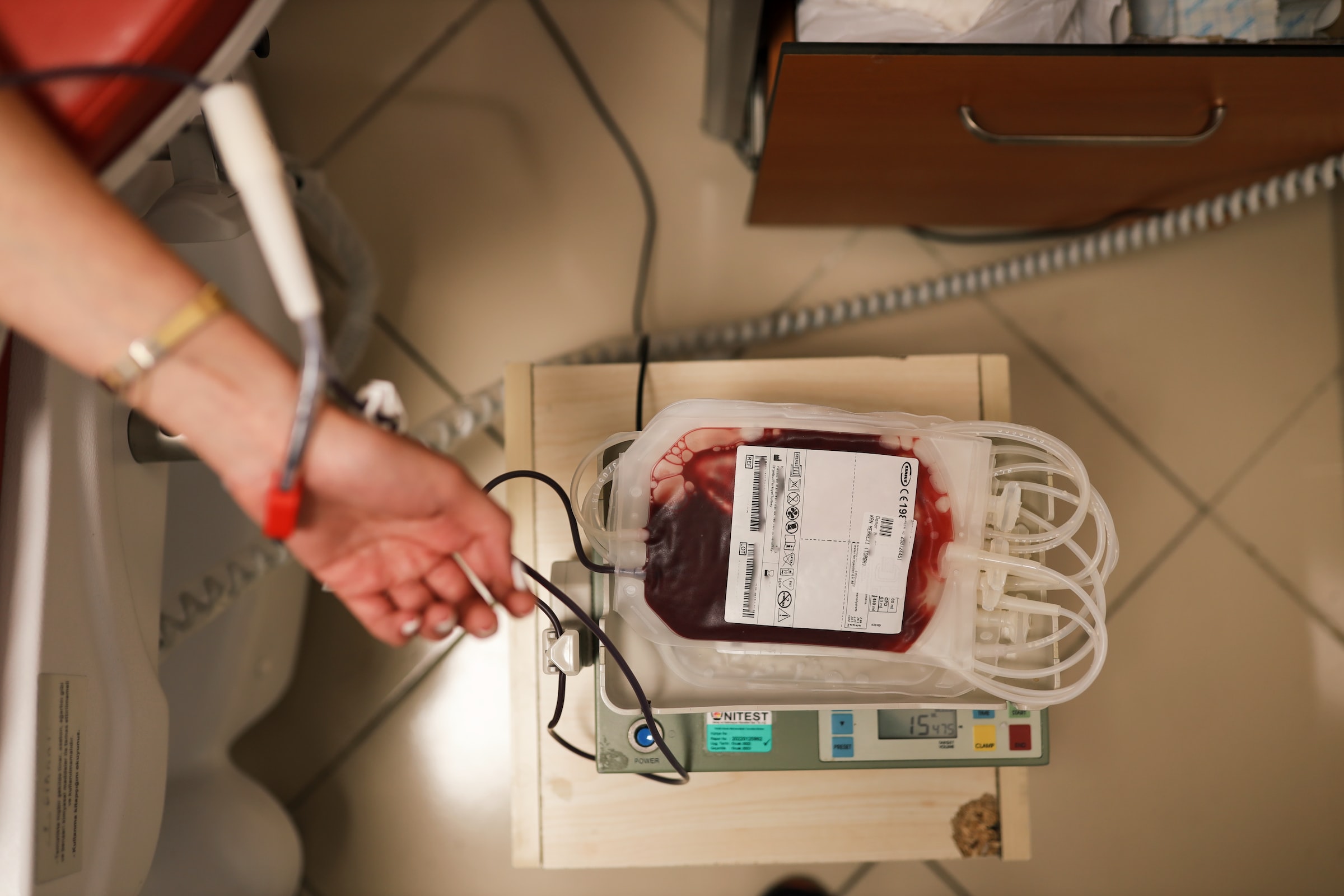
In a major tweak to the organ donation policy, the Union Ministry of Health and Family Welfare has removed the condition that people beyond 65 years cannot receive cadaver organ transplants.
The government has decided to remove the ceiling and allow people beyond 65 years to be eligible for organ donation, an official in the Health Ministry said on the condition of anonymity. The government has decided to do away with a clause in the National Organ and Tissue Transplant Organisation guidelines as the clause violates the 'Right to Life', the official said. Now, an individual of any age can register for an organ transplant, the source said.
The ministry is working on a ‘One Nation, One Policy,' for organ donation and transplantation and will also introduce a chapter in the school curriculum regarding organ donation awareness for students, the official said. The government has also made changes to have a single waiting list for patients, regardless of their domicile. Until now, an organ recipient could register for a prospective transplant in her home state.
Among states, Gujarat had made it mandatory for registered patients to furnish a domicile certificate to be eligible for a transplant, but last year the Gujarat High Court quashed the discriminatory policy of the state government.
The central government has informed all states of its decision to remove the domicile policy for organ transplants, the official cited earlier said. Now, a patient, irrespective of their domicile state, can register in any other state for a transplant, the ministry official said. The patient will be allotted a unique ID by NOTTO upon registering, which will get carried forward even if the patient changes multiple hospitals in different states, according to the official.
The number of organ transplants has increased by over three times, from 4,990 in 2013 to 15,561 in 2022, according to data from the Health Ministry. However, India's organ donation rate, which is the number of deceased donors per million people, continues to be less than one per million in comparison to countries like Spain, the U.S., Australia, and Croatia. Experts use Spain as an example because it has the highest rate of deceased organ donation in the world, largely because of the 'presumed consent' system for organ donors it has had for three decades.
As of now, one of the main criteria for organ donation, apart from consent from the next of kin of the deceased, is two certifications from doctors, with an interval of six hours, that the person is brain dead. Changes in the law also allow neurosurgeons, intensivists, and anaesthetists to be certifying doctors for this purpose. The rules also require the body of the dead person to be connected to a ventilator so that the organs are well-perfused until they are removed to be preserved and used. This is to ensure that the organs are not damaged after the death of the person.
States like Kerala and Maharashtra have been charging fees ranging from Rs 5,000 to Rs 10,000 for registering organ transplant patients. The ministry has also instructed states to stop charging registration fees to patients, the official said.
Various parts of the body can be transplanted, ranging from the cornea and the heart to the stomach, hand, and intestines, and even skin and bones. However, not all transplants are common. Recently, Rashtriya Janata Dal leader and former Bihar Chief Minister Lalu Prasad Yadav underwent a kidney transplant in Singapore's Mount Elizabeth hospital, with his daughter Rohini Acharya donating the organ.
The most common transplant is of the kidneys, followed by the cornea, a part of the eye, according to experts. Among solid organs, the next most common are the liver, heart, and lungs. The kidney accounts for up to 11,423 of the 15,561 organ transplants, followed by the liver (766), heart (250), lung (138), pancreas (24) and small bowel transplants (3).
Most of the transplants occur in private hospitals, with the numbers in government hospitals being relatively lower, the source said, adding that of the 15,561 transplants, a majority—12,791, that is, 82%—are from live donors and 2,765 (18%) are from cadavers. Facilities for deceased-donor transplants only exist in some states, such as Tamil Nadu, Gujarat, Telangana, Maharashtra, Kerala, Chandigarh, Karnataka, and Delhi.

-
The AI Trade is Done. The Real Opportunity for Investors Starts in 2027 | Unhedged Position

As pureplay AI stocks plunge and circular, capex-led financing unwinds, 2027 is set to be a year of reckoning for AI companies. Yet the bust clears the way for a better opportunity for investors in 2027 -- shifting the spotlight from AI builders to the companies using AI.
-
Leadership As Mission: Why The Age Of AI Demands More Human Leadership
Debjani Ghosh examines how AI is changing leadership, arguing that its success must be measured by its impact on people and the accountability of those guiding its use.
-
We May Need Another Tukaram Mundhe To Fight Air Pollution | The Reason Why
Developers may install basic measures such as sprinklers and green nets, resume work, and continue violating rules when this equipment stops working.
-
Extracting Value From Battery Scrap Could Be Challenging For India | The Reason Why
A discarded lithium-ion battery still contains valuable materials such as lithium, nickel and cobalt. These can be recovered and reused. When such batteries are crushed and shredded, they produce a dark powder called black mass.
-
One El Nino, India Can Handle. Two Could Break The Granary
India's grain stocks can absorb one bad year, but a second El Nino could drain the buffer in two to three years, economists say.
-
India's Troika Of Good Luck | Joining The Dots
As Jensen Huang's exit drags Nvidia down, a cooling AI trade and resilient earnings have revived investor interest in India. A likely RBI rate hike looms.
-
Talking Points This Week: Leadership Shock At Nvidia, Earnings Strength, And The Fog Over Hormuz
The Anthropic IPO pricing and first trading day, Nvidia's upcoming earnings, and any fresh signals from Iran will set the tone for the following week.
-
Signature Play: The Classic Cocktail Is Dead. Or Is It?
Classic cocktails are disappearing from India's cocktail menus. But they're still being ordered, taught to bartenders and borrowed from. So, who's really having the last drink?
-
A New Samvat Wishlist: Inclusive Prosperity And Human Development
India has strengthened its economic foundations through infrastructure, digital access and enterprise. Its next growth chapter must deepen productivity, create better livelihoods and widen participation in prosperity.
-
Love, Sex Aur Dhokha: The Audacious Plot To Spy On Jensen Huang
A Taipei dinner, a Singapore chip buyer and a suspected Chinese asset: inside the alleged spy operation that got close to NVIDIA's Jensen Huang.









