Government Ban On Wheat Exports To Help Cool Prices
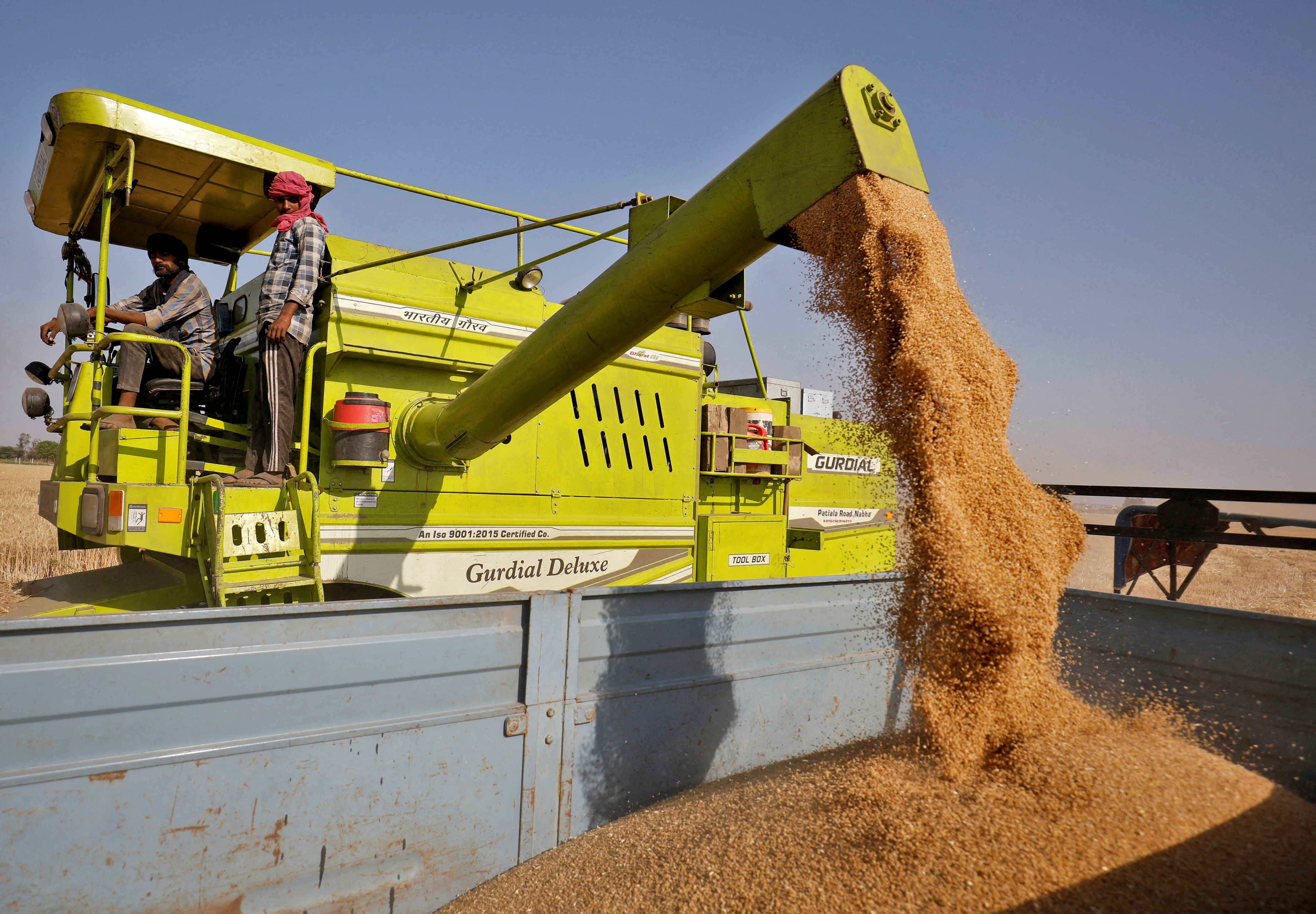
The Indian government's decision to ban wheat exports is likely to help cool domestic prices at a time when inflation is at an eight-year high. Higher global prices and increased exports of wheat have pushed up prices of staples like atta to near-decade highs.
To curb further price increases, the government, in a notification dated May 13, said that wheat exports will move to the 'prohibited' export category with immediate effect.
There is a sudden spike in the global prices of wheat, as a result of which the food security of India, neighbouring and other vulnerable countries is at risk, the Directorate General of Foreign Trade said in the notification, explaining its decision. Exports will be allowed where an irrevocable letter of credit has already been issued. They will also be allowed to meet food security needs of other nations at the request of individual governments.
Retail inflation in wheat and atta rose to 9.59% in April, the highest since at least 2015, according to data by the Ministry of Statistics and Programme Implementation. Data prior to that is not available. The rise in prices of wheat and atta led to a spike in inflation in products including maida, suji, rava, sevai, noodles, bread and biscuits.
Suvodeep Rakshit, senior economist at Kotak Institutional Equities, said that the move is justified as domestic food and price security is the priority. However, it will deprive the farmers of a higher price than the minimum support price being offered.
Prices should come down closer to MSP levels as farmers return to the procurement window or start offering it in the markets.Suvodeep Rakshit, senior economist, Kotak Institutional Equities
Pushan Sharma, director at Crisil Research, said the ban on export of wheat will arrest the price increases being witnessed, pushing prices towards the MSP. They will still likely trend above the minimum support price.
Agricultural analyst Devinder Sharma said the move was essential to ensure national food security and the government has acted in the right earnest by imposing the ban. The move will help ease prices and, more importantly, help in meeting domestic needs, he said. Whether it cools prices enough or if more measures will be needed remains to be seen, he said.
The pace of price rise in India was largely unjustified given the availability of stocks, said Sharma. Traders and exporters were benefiting from this although not all farmers were selling at higher prices, he said. Farmers in major wheat-producing states such as Punjab were receiving only about Rs 15-20 more per quintal, but those in neighboring states such as Madhya Pradesh were receiving more as they produce durum wheat that is used for making pasta, biscuits, etc.
While the export ban will bring down prices, it will deprive farmers of the extra earnings.
The move will pinch farmer incomes, which have been impacted by both higher cost of cultivation as well as lowering of yields this season, said Pushan Sharma.
The decision to ban exports may have also been prompted by expected lower production of wheat due to lower acreage and yield decline, said Pushan Sharma, adding that government stocks are also expected to be lower compared with a year ago. "Hence, in addition to this ban, the government had also decided to lower the share of wheat under Pradhan Mantri Garib Kalyan Anna Yojna and increase that of rice."

-
One El Nino, India Can Handle. Two Could Break The Granary

India's grain stocks can absorb one bad year, but a second El Nino could drain the buffer in two to three years, economists say.
-
India's Troika Of Good Luck | Joining The Dots
As Jensen Huang's exit drags Nvidia down, a cooling AI trade and resilient earnings have revived investor interest in India. A likely RBI rate hike looms.
-
Talking Points This Week: Leadership Shock At Nvidia, Earnings Strength, And The Fog Over Hormuz
The Anthropic IPO pricing and first trading day, Nvidia's upcoming earnings, and any fresh signals from Iran will set the tone for the following week.
-
Signature Play: The Classic Cocktail Is Dead. Or Is It?
Classic cocktails are disappearing from India's cocktail menus. But they're still being ordered, taught to bartenders and borrowed from. So, who's really having the last drink?
-
A New Samvat Wishlist: Inclusive Prosperity And Human Development
India has strengthened its economic foundations through infrastructure, digital access and enterprise. Its next growth chapter must deepen productivity, create better livelihoods and widen participation in prosperity.
-
Love, Sex Aur Dhokha: The Audacious Plot To Spy On Jensen Huang
A Taipei dinner, a Singapore chip buyer and a suspected Chinese asset: inside the alleged spy operation that got close to NVIDIA's Jensen Huang.
-
Ten Things I Learnt This Samvat
Patience can be a trap. Cheap stocks can stay cheap. Leverage can wipe you out. What did Samvat 2082 teach us? Niraj Shah writes on 10 lessons from the year gone by.
-
Talking Points This Week: Tech Nerves, FII Buying, And A Faraway Banking Shock
The global markets are not shining this Diwali. The exception in the large markets is, India.
-
Midterm Rally Lasted A Day. The Hard Reality Of A Divided US May Last Two Years | Opinion
Between a contested AI boom, a debt ceiling that arrives in 2027 and a president with every incentive to act alone, the next two years may prove more volatile than the first day's rally suggests.
-
Blue Wave Will Derail the AI Trade but Won't Dismantle the AI Era | Unhedged Position
The Democrats' sweep of the US Congress will see politics collide with economic forces both over the long and short term.









