Google to Show Off Smart Home Gadgets, Wearables
An Android update, wearable gadgets and so-called smart home devices are just some of the innovations Google is likely to show off at its two-day developer conference, which begins Wednesday in San Francisco.
In recent years, the conference has focused on smartphones and tablets, but this year Google's Android operating system is expected to stretch -into cars, homes and smartwatches.
Pacific Crest analyst Evan Wilson believes Google will unveil a new version of its Android operating system - possibly called Lollipop - with a "heavy focus" on extensions for smartwatches and smart home devices.
"We think Google will directly counter Apple's recent announcements of health products (Apple HealthKit) and home automation (Apple HomeKit)," Wilson wrote in a note to investors.
Google's I/O event comes at a time of transition for the company, which makes most of its money from advertising thanks to its status as the world's leader in online search. The company is trying to adjust to an ongoing shift to smartphones and tablet computers from desktop and laptop PCs. Though mobile advertising is growing rapidly, advertising aimed at PC users still generates more money.
At the same time, Google is angling to stay at the forefront of innovation by taking gambles on new, sometimes unproven technologies that take years to pay off -if at all. Driverless cars, Google Glass, smartwatches and thinking thermostats are just some of its more far-off bets.
On the home front, Google's Nest Labs -which makes network-connected thermostats and smoke detectors- announced earlier this week that it has created a program that allows outside developers, from tiny startups to large companies such as Whirlpool and Mercedes-Benz, to fashion software and "new experiences" for its products.
Integration with Mercedes-Benz, for example, might mean that a car can notify a Nest thermostat when it's getting close to home, so the device can have the home's temperature adjusted to the driver's liking before he or she arrives.
Nest's founder, Tony Fadell, is an Apple veteran who helped design the iPod and the iPhone. Google bought the company earlier this year for $3.2 billion.
Opening the Nest platform to outside developers will allow Google to move into the emerging market for connected, smart home devices. Experts expect that this so-called "Internet of Things" phenomenon will change the way people use technology in much the same way that smartphones have changed life since the introduction of Apple's iPhone seven years ago.
Google is also likely to unveil some advances in wearable technology. In March, Google released "Android Wear," a version of its operating system tailored to computerized wristwatches and other wearable devices. Although there are already several smartwatches on the market, the devices are more popular with gadget geeks and fitness fanatics than regular consumers. But Google could help change that with Android Wear. Android, after all, is already the world's most popular smartphone operating system.
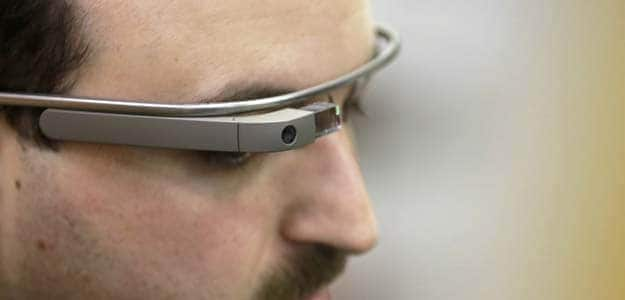
Google may also have news about Glass, including when the company might launch a new and perhaps less expensive version of the $1,500 Internet-connected eyewear. Google will likely have to lower the price if it wants Glass to reach a broader audience. But that's just one hurdle. Convincing people that the gadget is useful and not creepy, is another strategy.

-
Signature Play: The Classic Cocktail Is Dead. Or Is It?

Classic cocktails are disappearing from India's cocktail menus. But they're still being ordered, taught to bartenders and borrowed from. So, who's really having the last drink?
-
A New Samvat Wishlist: Inclusive Prosperity And Human Development
India has strengthened its economic foundations through infrastructure, digital access and enterprise. Its next growth chapter must deepen productivity, create better livelihoods and widen participation in prosperity.
-
Love, Sex Aur Dhokha: The Audacious Plot To Spy On Jensen Huang
A Taipei dinner, a Singapore chip buyer and a suspected Chinese asset: inside the alleged spy operation that got close to NVIDIA's Jensen Huang.
-
Ten Things I Learnt This Samvat
Patience can be a trap. Cheap stocks can stay cheap. Leverage can wipe you out. What did Samvat 2082 teach us? Niraj Shah writes on 10 lessons from the year gone by.
-
Talking Points This Week: Tech Nerves, FII Buying, And A Faraway Banking Shock
The global markets are not shining this Diwali. The exception in the large markets is, India.
-
Midterm Rally Lasted A Day. The Hard Reality Of A Divided US May Last Two Years | Opinion
Between a contested AI boom, a debt ceiling that arrives in 2027 and a president with every incentive to act alone, the next two years may prove more volatile than the first day's rally suggests.
-
Blue Wave Will Derail the AI Trade but Won't Dismantle the AI Era | Unhedged Position
The Democrats' sweep of the US Congress will see politics collide with economic forces both over the long and short term.
-
It's Time To Take The GST Council's Bet On Trust Global
Payment records can prove India's services exports, and clear, proportionate rules can bring foreign digital sellers into the tax net.
-
Opinion | India at 38: From Innovation Overperformer to Innovation Powerhouse
India now has 453 VC-backed deep science startups, 18 of them late-stage, after 117 percent growth since 2020. Laurus Labs, at USD 9.3 billion, is the most valuable deep science company in any middle-income economy outside China.









