Global LNG Fleet Avoiding Red Sea With More Tankers Diverted
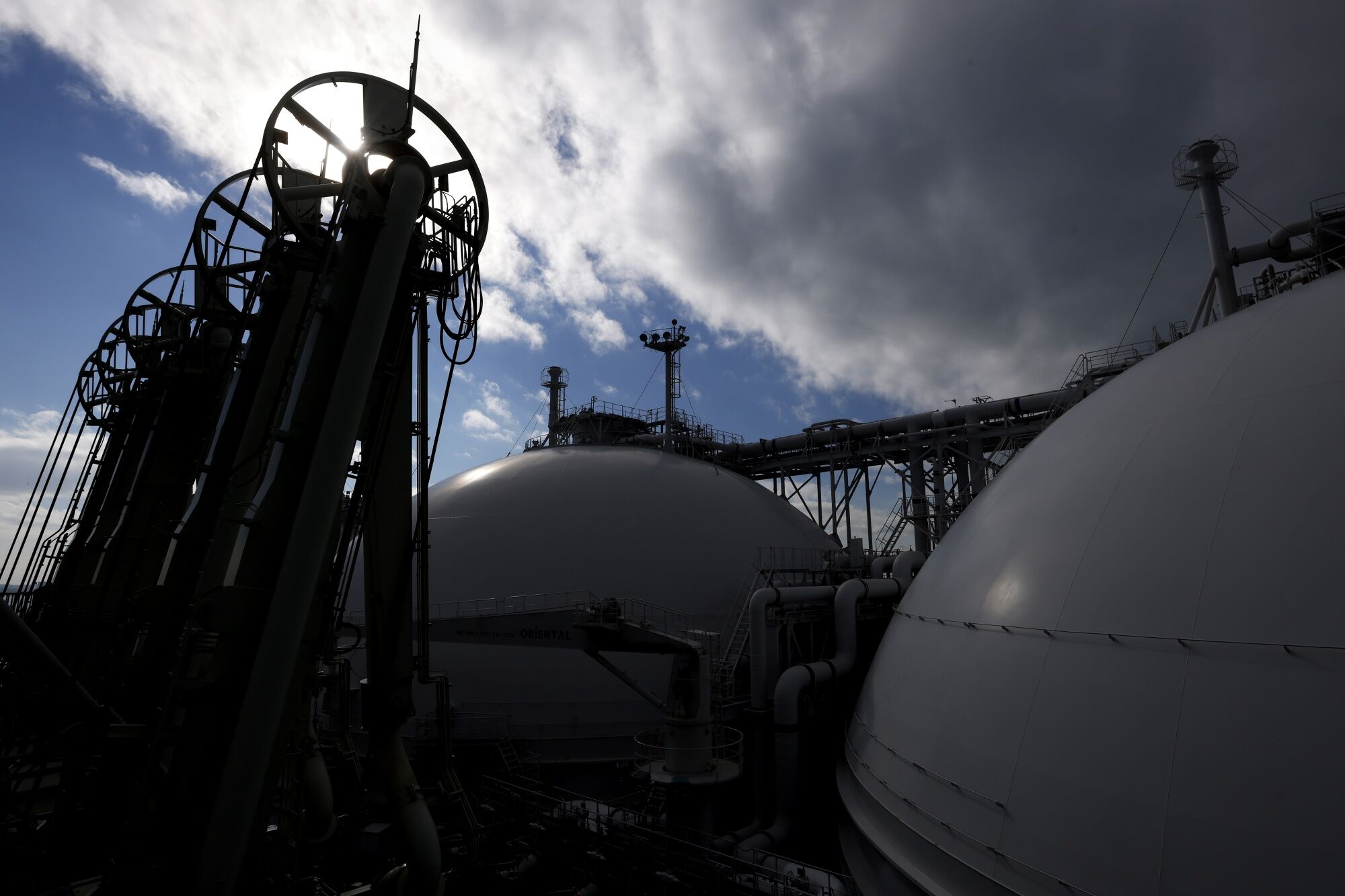
(Bloomberg) -- The global LNG tanker fleets appear to have stopped using the Red Sea and Suez Canal, as continued Houthi attacks on ships reroute flows of the power-station and heating fuel.
Two empty ships controlled by Qatar have turned away from the northern entrance of the Suez Canal in the Mediterranean Sea in the last day, according to ship-tracking data compiled by Bloomberg. A third Qatari vessel, which was also heading to the canal, reversed course off the coast of Morocco. The tankers will likely head to the Persian Gulf state via the longer route around Africa.
Qatar is the biggest user of the Red Sea and Suez Canal for the LNG trade. Other suppliers, including those in Russia and the US, have also stopped using the waterway, and ship-tracking data doesn't currently show any vessels heading to the area.
The Houthis have stepped up attacks on commercial ships after a US-led coalition carried out airstrikes on Friday. The Iranian-backed militants have struck two commodity carriers with missiles since Monday, although both were able to continue their voyages.
Read More: Insurers Seek to Exclude US, UK Ships From Key Red Sea Cover
Earlier this week, Qatar — one of the world's top LNG exporters and the second-biggest supplier to Europe — diverted three full gas tankers away from the Red Sea, and rerouted the ships to Europe via the Cape of Good Hope in southern Africa, according to ship data. Tankers carrying Qatari and Russian LNG had been traversing the Red Sea until the conflict escalated late last week.
While the longer LNG journeys will tie up tankers and boost freight costs, they're not expected to lead to shortages in Europe, given high stockpiles and subdued industrial demand there. Moving the super-chilled fuel from Qatar to the UK via southern Africa takes about 27 days, compared with 18 through the Suez Canal, according to ICIS.
More stories like this are available on bloomberg.com
©2024 Bloomberg L.P.

-
India's Troika Of Good Luck | Joining The Dots

A weaker Trump, a cooling AI trade and resilient earnings have put Indian markets back in favour. Rising inflation could spoil the party.
-
Talking Points This Week: Leadership Shock At Nvidia, Earnings Strength, And The Fog Over Hormuz
The Anthropic IPO pricing and first trading day, Nvidia's upcoming earnings, and any fresh signals from Iran will set the tone for the following week.
-
Signature Play: The Classic Cocktail Is Dead. Or Is It?
Classic cocktails are disappearing from India's cocktail menus. But they're still being ordered, taught to bartenders and borrowed from. So, who's really having the last drink?
-
A New Samvat Wishlist: Inclusive Prosperity And Human Development
India has strengthened its economic foundations through infrastructure, digital access and enterprise. Its next growth chapter must deepen productivity, create better livelihoods and widen participation in prosperity.
-
Love, Sex Aur Dhokha: The Audacious Plot To Spy On Jensen Huang
A Taipei dinner, a Singapore chip buyer and a suspected Chinese asset: inside the alleged spy operation that got close to NVIDIA's Jensen Huang.
-
Ten Things I Learnt This Samvat
Patience can be a trap. Cheap stocks can stay cheap. Leverage can wipe you out. What did Samvat 2082 teach us? Niraj Shah writes on 10 lessons from the year gone by.
-
Talking Points This Week: Tech Nerves, FII Buying, And A Faraway Banking Shock
The global markets are not shining this Diwali. The exception in the large markets is, India.
-
Midterm Rally Lasted A Day. The Hard Reality Of A Divided US May Last Two Years | Opinion
Between a contested AI boom, a debt ceiling that arrives in 2027 and a president with every incentive to act alone, the next two years may prove more volatile than the first day's rally suggests.
-
Blue Wave Will Derail the AI Trade but Won't Dismantle the AI Era | Unhedged Position
The Democrats' sweep of the US Congress will see politics collide with economic forces both over the long and short term.
-
It's Time To Take The GST Council's Bet On Trust Global
Payment records can prove India's services exports, and clear, proportionate rules can bring foreign digital sellers into the tax net.









