Gig Workers May End Up Paying For Their Own Social Security
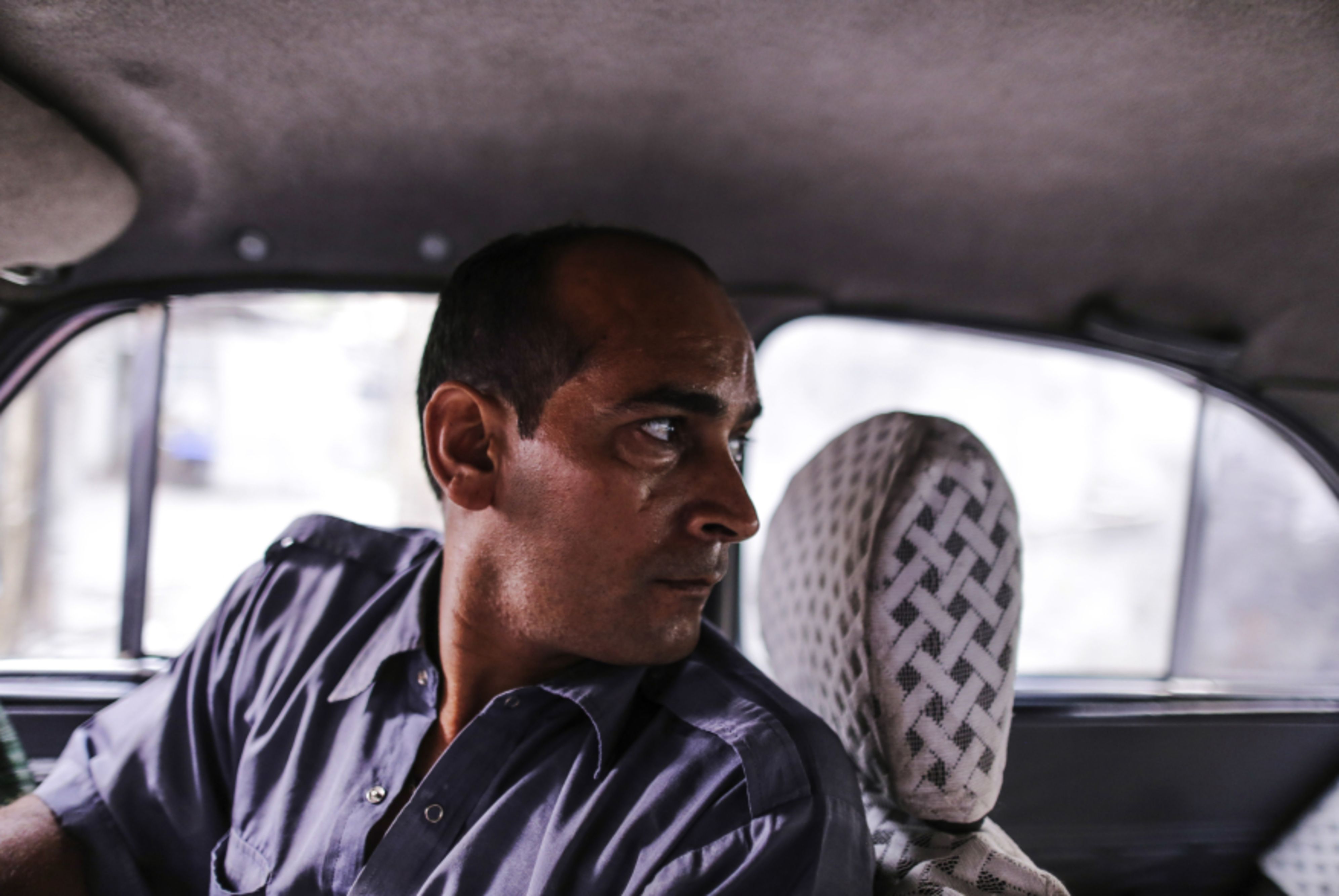
Abhishek Kumar earns Rs 15,000 a month delivering food for Swiggy and Zomato. He didn't know that he is now eligible for life and disability cover, health and other benefits as India brought gig workers within the social security net.
While Kumar, 31, is happy that he would get some benefits, he doesn't want deductions from his income. “If it leads to any cut, it won't be good for me," he said. "We are already fighting for sustained incentives."
Kumar's fear echoes concerns of the gig industry. Parliament last month passed the rules that include such freelance workers in the social security code. But parity with formal employees on benefits could increase costs for India's gig economy that industry lobby Assocham estimates to grow at an annualised rate of 17% to $455 billion by 2023.
“There will be a huge pushback,” said Kunal Khattar, founder of early-stage venture capital fund that has invested in startups such as Tripoto, Sheru, Shuttl and bike taxi startup Rapido. Most companies will add social security to deductions of workers, he said in a text response. “No platform is profitable—and will not have the ability to increase their costs in the current covid situation where revenue and transactions are significantly down anyway.”
Yet, India is not alone in its bid to protect the gig workers. California last year approved a bill to classify such freelancers as employees. Companies like Uber Technologies Inc. and Lyft Inc. are required to pay overtime, and provide sick leave and compensation insurance. The European Parliament also passed a law setting minimum rights and transparency.
But Rituparna Chakraborty, co-founder and executive vice president at staffing firm TeamLease Services, cautioned that over-legislation could kill the concept. “Gigs don't have employer-employee relationship; it is about someone providing service and other person availing them," she said. "It's the freedom to choose and work accordingly makes it exciting and has led to many joining.”
Who All Are Covered
The Social Security Code 2020 , while extending welfare measures to gig, and platform unorganised workers, empowers the central government to set up social security funds for them.
According to new rules:
- A gig worker earns from work outside of traditional employer-employee relationship.
- A platform worker earns from work outside of a traditional employer employee relationship using an online platform.
- Gig and platform workers are entitled to life and disability cover, accident insurance, health and maternity benefits, crèche, and old age protection, among others.
- Gig/platform companies to allot 1-2% of their annual turnover for social security funds of their workers. The code, however, puts a cap on the total contributions companies have to make. The contribution should not be more than 5% of the amount paid to or payable to gig workers.
- State and central governments will also contribute.
“For the first time under the statute, the very concept of gig and platform worker has been recognised,” Anshul Prakash, partner at Khaitan & Co. and specialist in employee and labour law, said. “We have to see how it is formalised once the central government comes out with rules."
Prakash also has his doubts. He cited the Unorganised Workers Social Security Act of 2008. “Nothing really transpired from it."
If implemented, according to Ajay Singh Solanki, leader, labour and employment law practice at Nishith Desai Associates, there will be a financial outgo for aggregators, but not in a traditional existing social security structure. This, he said, will be done by setting up a fund with contributions from aggregators and the government.
Gig economy companies will look to pass this cost to workers.
The social fund will not only eat into their business but also reduce the earnings of platform workers, said a senior executive at one of India's largest online platform on the condition of anonymity to speak candidly. Cost of other social benefits, he said, will reduce in-hand income.
These additional costs are definitely going to hurt gig workers earnings, Sahil Sharma, co-founder and chief executive officer at GigIndia, a B2B on-demand work completion marketplace for businesses and gig workers, said. This will lead to selective hiring gig workers, he said, adding that more amendments will be needed to make it a viable option for both workers and firms.
Urban Company, formerly UrbanClap, and BigBasket said while the move will provide a safety net, clarity is needed since higher costs will invariably will be passed on to workers.
Specifics aren't clear, according to Abhay Mathur, senior vice president, finance at Urban Company. They are waiting for final rules, he said.
Zomato, Swiggy, Dunzo, and delivery firm Shadowfax declined to comment. Ola didn't respond. Uber said the landmark legislation with build a better future for India and serve as a model for other countries.
The Case Of Multiple Gigs
Most gig employees look to supplement income, and work at their own time and switch between platforms. Freelancers, short-term projects workers and coders can also be referred to as gig workers. The market has exploded with the introduction of app-based services.
“The mobile is everything for me, I decide when to work and when not to, there is no one to tell me, why I'm not working,” said Singh, 30, who earns Rs 15,000-20,000 a month while delivering food for both Swiggy and Zomato. He didn't want to share his first name to remain anonymous out of employment concerns.
“The fight with this kind of job is to make ends meet and any extra incentive and income is important for our survival,” he said. “While I need social security, as it will be beneficial for me in the future and for my kids, but this could impact my current income.”
New rules are yet to clarify flexibility of doing such multiple jobs or a small gig, TN Hari, HR head at BigBasket, said. He cited the example of an Uber driver who works for 10 days and then goes back to his village. “How do you cover social security. How will the fund percolate down to the single driver who has worked for only 10 days? We don't know how the fund will be implemented.”
It's also not clear if the new rules will alter contracts between workers and aggregators to address such issues.
That will depend on modalities, Prakash of Khaitan & Co. said. “How and what the limit of the coverage will be is to be seen. Unless we see the scheme and rules, it's hard to say.”
Chakraborty of Teamlease, however, suggested the government shouldn't focus on providing gig workers anything more than health benefits and should make social security optional. “Going beyond and creating continuity of wages and other facilities defeats the purpose of gig.”
According to Hari of BigBasket, gig guys don't need protection as they are already protected by platforms. The government, he said, should not do anything that destroys the model.

-
'Never Seen This Level Of Negativity': Sandeep Tandon Says The Next Rally May Be Closer Than You Think

Veteran investor Sandeep Tandon says foreign selling is easing, large-caps are due a comeback and mid-caps are crowded, while he turns positive on gold, power and pharma this Diwali.
-
Indians Stay With Family, Not In Hotels | The Reason Why
India still lacks enough clean, reliable and affordable hotels for budget-conscious travellers.
-
The Economic Imperative: Analysing The Material Driving Force Behind India-Canada Strategic Reset
This economic complementarity is further reinforced by deep institutional investment ties and talent mobility, which form the bedrock of the bilateral framework.
-
Medicine Pricing: Where Must Profit Stop?
India must confront excessive margins, hidden incentives and regulatory gaps that threaten the integrity of medicine.
-
Why Amazon And Flipkart Are Struggling To Beat Meesho In India's Smaller Cities
With 274 million users and lowest-cost logistics, Meesho is defending its value commerce crown against giants like Amazon and Flipkart.
-
High US Salaries, No Green Card Certainty: The Financial Calculation Facing Indian H-1B Families
The suspension of PERM processing at eight technology employers does not cancel existing H-1B visas. What it does is force a question many Indian families have been avoiding: is the US salary worth tying your career and family plans to one employer?
-
Swiggy vs Eternal: Food Delivery's Two Rivals Are No Longer In The Same Race
Eternal is building a private AI assistant, dark.ai. Swiggy is still working out how to make Instamart pay, with an operating loss of Rs 895 crore in the July-September quarter while Blinkit stayed profitable.
-
Where You Live Shapes How You Get To Work | The Reason Why
Two-wheelers are the most popular way to get to work in India, accounting for nearly 43% of workplace commutes.
-
Unhedged Position: Can India See An Indonesia-Style Time Correction?
The Nifty is trading below levels it first clocked in 2024. Is there, then, as I have suggested in the headline, potential that the current time correction drags on painfully for the next three-five, even ten years?
-
Navigating Friction And Energy Realities: An Analysis Of Marco Rubio's October Visit To India
Occurring at a critical juncture marked by stalled trade negotiations and escalating geopolitical pressures over global energy supplies, the visit offers a profound window into modern US-India relations.










