GenZ Is Rewriting The Consumption Playbook — Here's How
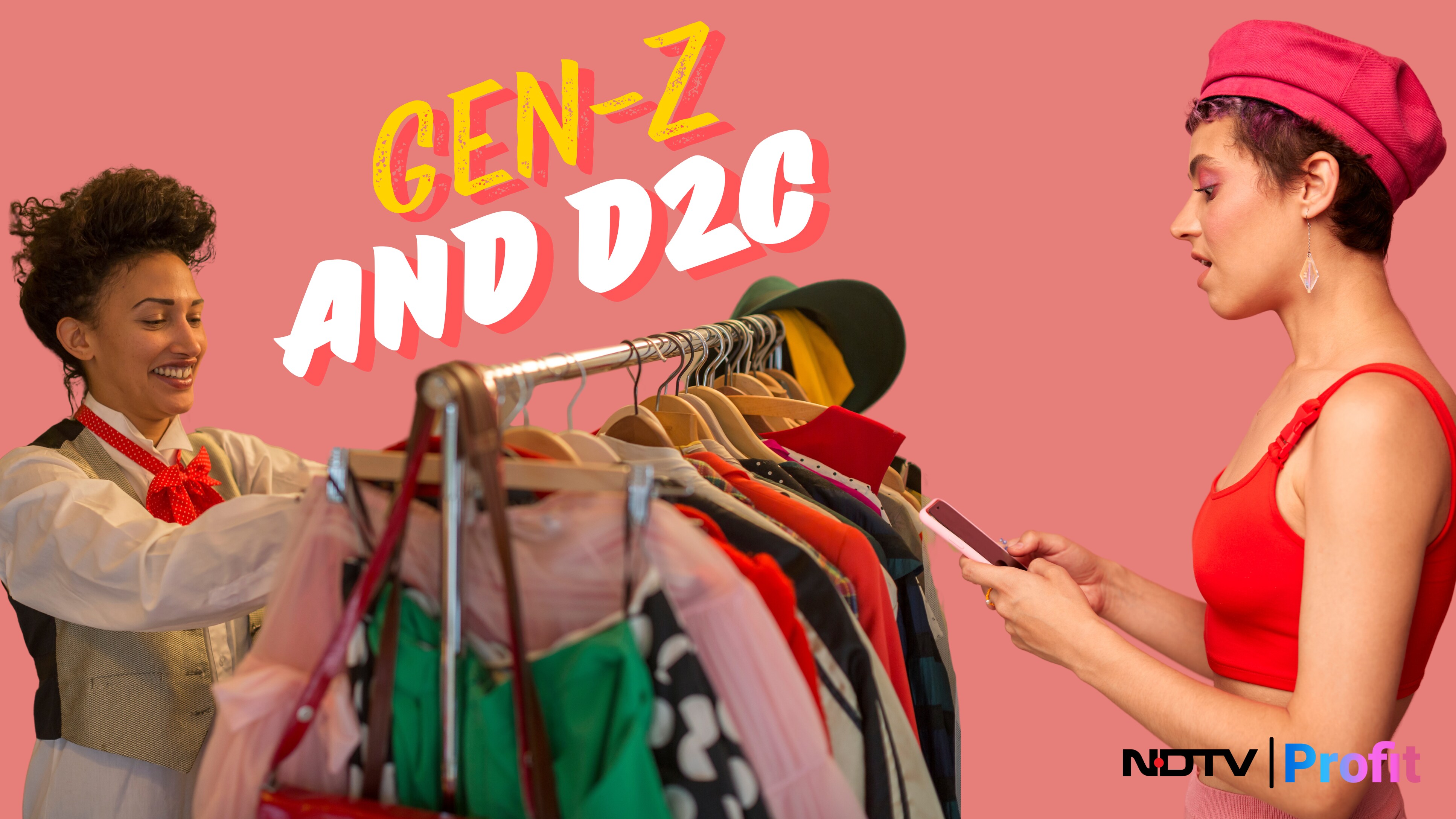
From 10-minute grocery deliveries to direct-to-consumer brands scaling in record time, Gen Z's influence is up-turning traditional business models, according to a Bernstein report.
Gen Z, born between 1996 and 2010, is quietly rewriting the rules of consumption, giving rise to fast-scaling Direct-To-Consumer brands and turning quick commerce into a booming industry, according to the wealth management company.
The generation has been able to bring up the revenue of D2C companies such as Sugar Cosmetics to Rs 1 billion in a matter of three years which even traditional Fast Moving Consumer Goods companies have been unable to do in a decade.
With their digital-first mindset, this generation is reshaping traditional shopping habits, favouring speed, convenience, and personalised online experiences over conventional retail options.
The Rise of D2C Brands
The report highlights how emerging D2C brands like Boat (electronics), Mokobara (luggage), and Snitch (Men's apparel), along with major players such as Zomato and Nykaa, are tapping into the unique preferences of Gen Z.
Beauty and personal care players like Sugar Cosmetics, MamaEarth (recently IPO-ed), and Myglamm, took an average of three years to scale up to Rs 1 billion in revenue compared to traditional players like Revlon and Lotus.
Bernstein says that this rapid upscaling is led by the buying power of GenZ customers and that these companies have been able to target them through social media.
According a Bernstein survey of 100 plus consumers, GenZ spends an average of 4.7 hours online each day and 73% of them have shifted their spending from traditional brands to newer, more innovative ones. The cohort spends an average of 1.6 hours a week shopping online—higher than any other generation. Unlike millennials, who still favour e-commerce and multiplexes, GenZ is more inclined toward quick commerce, food delivery, and D2C brands.
Gen Z contributes 30-35% to the total traffic of digitally first brands. These up-an-coming companies are succeeding by targeting GenZ through social media platforms like Instagram and YouTube Shorts, where this generation spends most of its time. Bernstein's report noted that GenZ is highly responsive to influencer marketing, short-form content, and personalised engagement, making these digital platforms ideal for brand discovery.
Indian short-form video platforms saw a 35% increase in time spent in just six months during 2020, with GenZ leading this growth. The ban of TikTok in India has also opened the door for local platforms to capture a significant share of GenZ's screen time.
Nykaa's GenZ Strategy
Bernstein highlighted that FSN-Ecommerce's Nykaa is strategically positioning itself to capture GenZ's attention. The company has launched a Gen Z-focused store under its Nykaa Fashion platform offering targeted brands like Forever21, Souled Store, etc. Nykaa's growth in the D2C space is further supported by its beauty segment, which features popular GenZ brands like Sugar Cosmetics and Dot & Key.
The report says that multiple untapped niche categories with white space have presented a unique opportunity for D2C brands to thrive in India.
This was led by Myntra introducing "Myntra Fwd" which offers target clothes for GenZ consumers.
Q-Comm & Food Delivery
It goes without saying that Gen Z's desire for instant gratification has fuelled the rise of quick commerce services like Blinkit and Zepto. These companies not only deliver groceries but also makeup and other beauty products, household necessities, print-outs etc. For example, Zepto has "Zepto Cafe" which delivers breakfast, sandwiches and even cold coffees which is made in a separate area at their local dark stores itself.
According to the report, Blinkit leads the quick commerce market with a 46% share, while Zepto, benefiting from its loyalty program Zepto Pass, holds 34% of the market. Traditional grocery players like BigBasket are seeing their market share shrink as Gen Z shifts toward faster, more convenient options.
Food delivery platforms are also benefiting from Gen Z's digital habits. Zomato, a dominant player in both food delivery and quick commerce, has positioned itself as the go-to platform for this generation. With many Gen Z consumers opting for food delivery over dining out, Zomato is capitalising on their preference for fast, app-based services.
As Gen Z continues to redefine consumption patterns, brands that align with their preferences for speed, convenience, and digital engagement are thriving. D2C brands and quick commerce platforms are leading the way, offering products and services that cater to this generation's unique needs.
With Gen Z making up 30-35% of the traffic for digital-first brands and contributing 17% to India's total consumption, their influence is undeniable. As the fastest-growing consumer group in the country, Gen Z is poised to continue shaping the future of retail and brand engagement in the years to come.

-
Indians Are Travelling, But Not Every Journey Is A Holiday | The Week In Whys

Pilgrims, patients and working women are the real travellers, and the system hasn't quite caught up with them.
-
Getting To Work Costs Women More | The Reason Why
It is not just about women paying more than men. It is about women paying much more in cities than in villages.
-
AI Bias In Investing Cannot Be Eliminated, But It Can Be Governed
Framing is a particularly important example as identical financial information presented in terms of gains rather than losses can lead an LLM to reach a different assessment.
-
Joining The Dots | Dark Skies, Steady Diya: Why Hope Holds This Diwali
With war, a weak rupee and foreign outflows weighing on sentiment, policymakers at the NDTV World Summit and market veterans at NDTV Profit Ignite: Diwali Edition offered the same advice: stay invested and filter out the noise.
-
The Curious Case of Equitas Small Finance Bank And A CEO Who Quit For Stock
PN Vasudevan believes persistent investor concerns over a perceived conflict of interest had become a governance overhang on Equitas Small Finance Bank's stock, even as the lender improved profitability and asset quality.
-
Talking Points This Week: AI Cash Burn, A Tiger Comeback And An India That Still Finds Its Own Path
India is not immune to higher oil or tighter global liquidity, yet its earnings base is broader, its domestic policy levers are still available.
-
Foreign Investors Own Half Of HDFC Bank and ICICI Bank. An LTCG Cut Could Matter Most Here
Foreign portfolio investors have US$115 billion parked in HDFC Bank, ICICI Bank. If the government cuts long-term capital gains tax, Jefferies says returning foreign money could land here first.
-
'Never Seen This Level Of Negativity': Sandeep Tandon Says The Next Rally May Be Closer Than You Think
Veteran investor Sandeep Tandon says foreign selling is easing, large-caps are due a comeback and mid-caps are crowded, while he turns positive on gold, power and pharma this Diwali.
-
Indians Stay With Family, Not In Hotels | The Reason Why
India still lacks enough clean, reliable and affordable hotels for budget-conscious travellers.
-
The Economic Imperative: Analysing The Material Driving Force Behind India-Canada Strategic Reset
This economic complementarity is further reinforced by deep institutional investment ties and talent mobility, which form the bedrock of the bilateral framework.










