Second Wave Of COVID-19 Affected Sentiments Of Real Estate Stakeholders
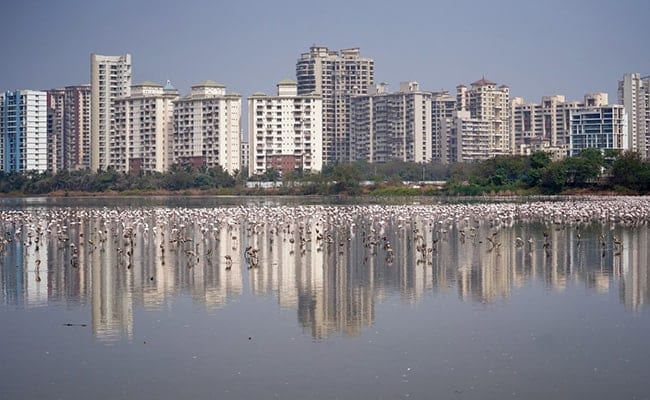
The second wave of COVID-19 in the country has dampened the future sentiments in the real estate sector. Leading real estate consultant Knight Frank India released the 28th edition of the 'Real Estate Sentiment Index Q1 2021' (January -March 2021) Survey on Thursday, April 22, in association with the Federation of Indian Chambers of Commerce and Industry or FICCI as well as the National Real Estate Development Council or NARDECO. According to the findings of the report, the second wave of COVID-19 influenced the future sentiments of the real estate stakeholders in the country.
The survey showed that the future sentiment score registered a decline from 65 in October-December 2020 to 57 in January-March 2021, amid uncertainties resulting from the relentless rise of new COVID-19 infections in the second wave. The future sentiment score of stakeholders for the next six months fell across regions due to concerns over the second wave of the pandemic. Although the score remains in the optimistic zone. The outlook in the January-March quarter of supply-side stakeholders reflected caution for the next six months.
According to the report, the outlook for the residential launches and sales softened in the January-March quarter. The majority of the respondents expect the residential market to either remain steady or grow in the next six months. Additionally, the second wave and the restrictions on mobility impacted the office occupancy levels, which weakened the market outlook for the next six months.
“With the precautionary measures and revival reforms, real estate witnessed historic sales over the course for last three quarters. However, post the revision in stamp duty from April, the overall sentiment for real estate investment and the demand of residential asset class witnessed a dip which has reduced the overall pace,'' said Mr. Rohit Poddar, Managing Director, Poddar Housing and Development Limited.
''However, with the foresight of the first wave and the precautionary measures introduced by the government, real estate is hopeful to maintain stability. The government's decision to initiate a wider vaccination drive will help in mitigating the impact of the second wave while mobilizing the sectors to push the economy further on the growth track,'' added Mr Poddar.

-
Joining The Dots | Dark Skies, Steady Diya: Why Hope Holds This Diwali

With war, a weak rupee and foreign outflows weighing on sentiment, policymakers at the NDTV World Summit and market veterans at NDTV Profit Ignite: Diwali Edition offered the same advice: stay invested and filter out the noise.
-
The Curious Case of Equitas Small Finance Bank And A CEO Who Quit For Stock
PN Vasudevan believes persistent investor concerns over a perceived conflict of interest had become a governance overhang on Equitas Small Finance Bank's stock, even as the lender improved profitability and asset quality.
-
Talking Points This Week: AI Cash Burn, A Tiger Comeback And An India That Still Finds Its Own Path
India is not immune to higher oil or tighter global liquidity, yet its earnings base is broader, its domestic policy levers are still available.
-
Foreign Investors Own Half Of HDFC Bank and ICICI Bank. An LTCG Cut Could Matter Most Here
Foreign portfolio investors have US$115 billion parked in HDFC Bank, ICICI Bank. If the government cuts long-term capital gains tax, Jefferies says returning foreign money could land here first.
-
'Never Seen This Level Of Negativity': Sandeep Tandon Says The Next Rally May Be Closer Than You Think
Veteran investor Sandeep Tandon says foreign selling is easing, large-caps are due a comeback and mid-caps are crowded, while he turns positive on gold, power and pharma this Diwali.
-
Indians Stay With Family, Not In Hotels | The Reason Why
India still lacks enough clean, reliable and affordable hotels for budget-conscious travellers.
-
The Economic Imperative: Analysing The Material Driving Force Behind India-Canada Strategic Reset
This economic complementarity is further reinforced by deep institutional investment ties and talent mobility, which form the bedrock of the bilateral framework.
-
Medicine Pricing: Where Must Profit Stop?
India must confront excessive margins, hidden incentives and regulatory gaps that threaten the integrity of medicine.
-
Why Amazon And Flipkart Are Struggling To Beat Meesho In India's Smaller Cities
With 274 million users and lowest-cost logistics, Meesho is defending its value commerce crown against giants like Amazon and Flipkart.
-
High US Salaries, No Green Card Certainty: The Financial Calculation Facing Indian H-1B Families
The suspension of PERM processing at eight technology employers does not cancel existing H-1B visas. What it does is force a question many Indian families have been avoiding: is the US salary worth tying your career and family plans to one employer?










