Fugitive Economic Offenders Ordinance Comes Into Force: 5 Things You Should Know
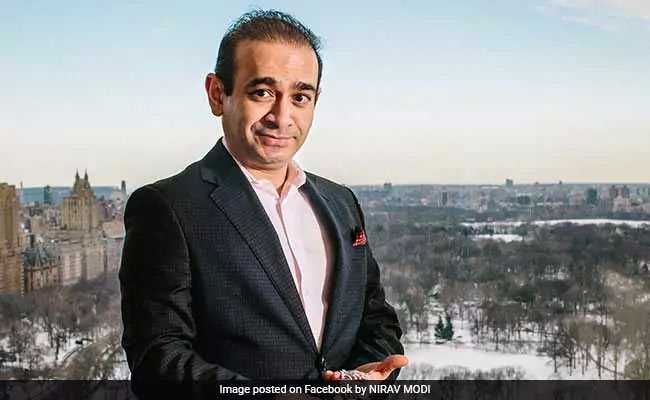
As the Fugitive Economic Offenders Ordinance 2018 gets the President's assent, the new legislation gets promulgated, or comes into force. With the new law coming into force, Indian authorities are now empowered to attach and confiscate the proceeds of crime associated with economic offenders. The ordinance was mooted in response to the growing practice of debt-laden Indian citizens flying abroad in a purported attempt to evade the law-enforcement agencies of India. Something similar had happened in case of Nirav Modi who fled India in January this year shortly before Rs 13,000 crore PNB fraud came to light wherein he is one of the prime accused. Likewise, former liquor baron Vijay Mallya also fled the country without repayment of the debt that amounts to nearly Rs 9,000 crore from a consortium of Indian banks.
The announcement of this legislation's idea was made in the Budget speech by the Union Finance Minister Arun Jaitley on February 1. Following this, the bill was introduced in Lok Sabha on March 12. The bill was even listed for consideration in Lok Sabha on many occasions after its introduction. However, since the Parliament has since been adjourned sine die, it couldn't be passed. Following this, the Union Cabinet, on April 21, decided to approve the Fugitive Economic Offenders Ordinance, 2018.
Fugitive Economic Offenders Ordinance: Five Things To Know
1. Threshold of Rs 100 Crore: The ordinance makes provisions for a special court under the Prevention of Money-laundering Act, 2002 to declare a person as a Fugitive Economic Offender. A fugitive economic offender is defined as an individual against whom a warrant for arrest in relation to a scheduled offence has been issued by a court in India, who has left India to avoid criminal prosecution; or being abroad, refuse to return to India to face criminal prosecution. Scheduled offences worth Rs 100 crore or more will come under the purview of the ordinance.
2. Power To Attach Properties: With the assent of the President of India, Fugitive Economic Offenders Ordinance, 2018 is promulgated. The new Law lays down the measures to empower Indian authorities to attach and confiscate the proceeds of crime associated with economic offenders and properties of economic offenders.
Also Read: Government To Seize Assets Of Future Vijay Mallyas, Nirav Modis As Fugitives Ordinance Cleared
3. Trial In The PMLA Courts: Since the proposed law would utilise the existing infrastructure of the Special Courts constituted under under the Prevention of Money-laundering Act, 2002 (PMLA) and the threshold of scheduled offence is high at Rs 100 crores or more, no additional expenditure is expected on the enactment of the Bill.
4. No Immunity To Offenders: The ordinance would also enable the courts and tribunals to disallow the fugitive economic offender from putting forward or defending any civil claim.
5. Aim Of Deportation: Major impact will be that the offenders will return to India to submit to the jurisdiction of Courts in India to face the law in respect of the scheduled offences. Other Major Impact will be that it will help the banks and other financial institutions to achieve higher recovery from financial defaults committed by such fugitive economic offenders, improving the financial health of such institutions.

-
One El Nino, India Can Handle. Two Could Break The Granary

India's grain stocks can absorb one bad year, but a second El Nino could drain the buffer in two to three years, economists say.
-
India's Troika Of Good Luck | Joining The Dots
As Jensen Huang's exit drags Nvidia down, a cooling AI trade and resilient earnings have revived investor interest in India. A likely RBI rate hike looms.
-
Talking Points This Week: Leadership Shock At Nvidia, Earnings Strength, And The Fog Over Hormuz
The Anthropic IPO pricing and first trading day, Nvidia's upcoming earnings, and any fresh signals from Iran will set the tone for the following week.
-
Signature Play: The Classic Cocktail Is Dead. Or Is It?
Classic cocktails are disappearing from India's cocktail menus. But they're still being ordered, taught to bartenders and borrowed from. So, who's really having the last drink?
-
A New Samvat Wishlist: Inclusive Prosperity And Human Development
India has strengthened its economic foundations through infrastructure, digital access and enterprise. Its next growth chapter must deepen productivity, create better livelihoods and widen participation in prosperity.
-
Love, Sex Aur Dhokha: The Audacious Plot To Spy On Jensen Huang
A Taipei dinner, a Singapore chip buyer and a suspected Chinese asset: inside the alleged spy operation that got close to NVIDIA's Jensen Huang.
-
Ten Things I Learnt This Samvat
Patience can be a trap. Cheap stocks can stay cheap. Leverage can wipe you out. What did Samvat 2082 teach us? Niraj Shah writes on 10 lessons from the year gone by.
-
Talking Points This Week: Tech Nerves, FII Buying, And A Faraway Banking Shock
The global markets are not shining this Diwali. The exception in the large markets is, India.
-
Midterm Rally Lasted A Day. The Hard Reality Of A Divided US May Last Two Years | Opinion
Between a contested AI boom, a debt ceiling that arrives in 2027 and a president with every incentive to act alone, the next two years may prove more volatile than the first day's rally suggests.
-
Blue Wave Will Derail the AI Trade but Won't Dismantle the AI Era | Unhedged Position
The Democrats' sweep of the US Congress will see politics collide with economic forces both over the long and short term.









