From Mistakes At Berkshire To Japan Investments — Key Takeaways From Warren Buffett's Annual Letter
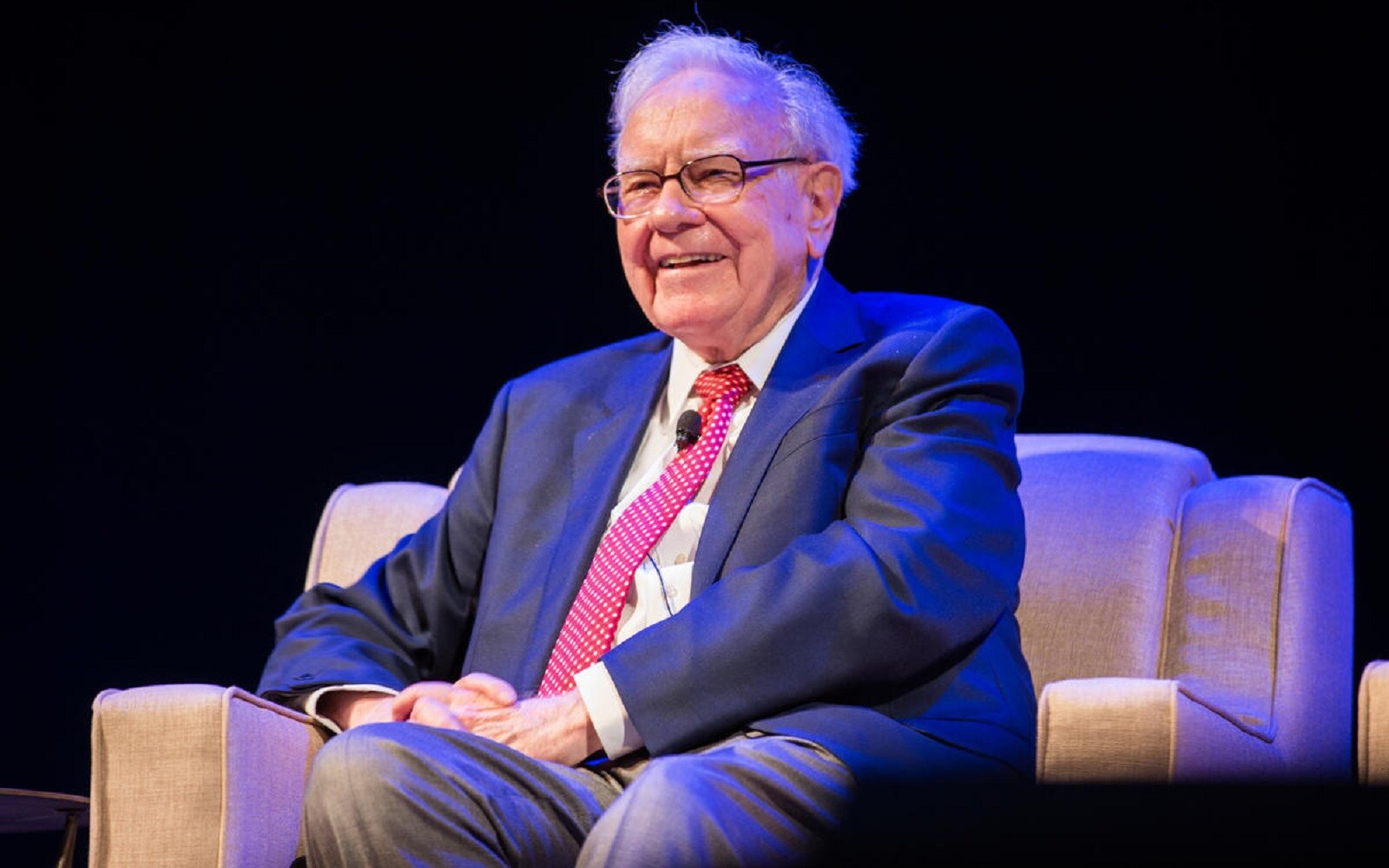
From reflecting on his investment mistakes to outlining his strategies and defending capitalism, the legendary investor Warren Buffett shed light on Berkshire Hathaway's past, present and future in his latest shareholder letter.
The Nebraska-based conglomerate's operating earnings surged 71% in the fourth quarter, as higher interest rates lifted the company's investment income and its insurance business improved.
Earnings also got a significant boost from a strong recovery in the firm's insurance underwriting business, with operating earnings quadrupling over the period to $3.4 billion. Buffett's cash hoard grew for the 10th quarter in a row, to a record $334.2 billion at the end of 2024.
Here are the key highlights from his letter to the shareholders.
Mistakes At Berkshire
Buffett acknowledged his firm making mistakes in capital allocation and assessing managers' abilities. He emphasised the importance of addressing mistakes promptly, quoting Charlie Munger: “Problems... require action, however uncomfortable that may be.”
Unlike many companies, Berkshire candidly admits errors, using the words “mistake” or “error” 16 times in Buffett's letters from 2019-23, Buffet said.
Record Tax Payment
Berkshire paid $26.8 billion in federal corporate income tax in 2024, the highest by any US company. Buffett credited this to long-term reinvestment, with Berkshire paying only one dividend in its history.
Investment Strategy
Berkshire holds both fully owned companies and partial stakes in giants like Apple, Coca-Cola, and American Express. The company reduced its marketable equity holdings from $354 billion to $272 billion but remains committed to equities over cash.
Buffett warned against over-reliance on fixed-coupon bonds, stressing that businesses and skilled individuals fare better in economic instability.
Capitalism And America's Growth
Buffet, in his address, defended capitalism's ability to drive progress, acknowledging its flaws but emphasizing its unmatched potential.
He noted America's success is due to continuous savings and wise investment, despite occasional mismanagement and fraud. “The savings of Americans have delivered a quantity and quality of output beyond the dreams of any colonist,” Buffett wrote.
"It has its faults and abuses — in certain respects more egregious now than ever — but it also can work wonders unmatched by other economic systems."
Core Of Berkshire's Business
Buffett emphasised that property-casualty insurance remains at the heart of Berkshire's operations.
Unlike most industries, where costs are known before sales occur, the insurance business is unique in that premiums are collected upfront while costs are determined years later, he said. This delay in recognising losses can lead to unforeseen financial consequences, with some liabilities emerging decades after policies were written.
"This mode of operations has the desirable effect of giving P/C insurers cash before they incur most expenses but carries with it the risk that the company can be losing money — sometimes mountains of money."
Managing Risk In Volatile World
Buffett acknowledged the growing financial burden of extreme weather events, such as wildfires and hurricanes, which have led to soaring insurance payouts.
He emphasised the importance of pricing policies appropriately to absorb these risks and combat fraudulent claims and excessive litigation. Berkshire's ability to navigate these challenges without reliance on external reinsurers provides it with a distinct competitive advantage, Buffett said.
Growing Japan Investments
Buffett also shed light on Berkshire's growing interest in the Japanese market. Since 2019, the company has been investing in five major Japanese trading houses — ITOCHU, Marubeni, Mitsubishi, Mitsui, and Sumitomo — due to their disciplined capital management and shareholder-friendly policies.
Berkshire has taken a yen-balanced approach, ensuring that its increasing investments in Japan align with currency-neutral borrowing strategies.

-
Why Swapping Your Old Gold Can Trigger A Rs 5 Lakh Tax Bill, And How You Can Avoid It Legally

Swapping old gold for new is taxed as a sale and a fresh purchase. Getting your own gold remade can cut most of that bill, though it has its own costs.
-
The AI Trade is Done. The Real Opportunity for Investors Starts in 2027 | Unhedged Position
As pureplay AI stocks plunge and circular, capex-led financing unwinds, 2027 is set to be a year of reckoning for AI companies. Yet the bust clears the way for a better opportunity for investors in 2027 -- shifting the spotlight from AI builders to the companies using AI.
-
Leadership As Mission: Why The Age Of AI Demands More Human Leadership
Debjani Ghosh examines how AI is changing leadership, arguing that its success must be measured by its impact on people and the accountability of those guiding its use.
-
We May Need Another Tukaram Mundhe To Fight Air Pollution | The Reason Why
Developers may install basic measures such as sprinklers and green nets, resume work, and continue violating rules when this equipment stops working.
-
Extracting Value From Battery Scrap Could Be Challenging For India | The Reason Why
A discarded lithium-ion battery still contains valuable materials such as lithium, nickel and cobalt. These can be recovered and reused. When such batteries are crushed and shredded, they produce a dark powder called black mass.
-
One El Nino, India Can Handle. Two Could Break The Granary
India's grain stocks can absorb one bad year, but a second El Nino could drain the buffer in two to three years, economists say.
-
India's Troika Of Good Luck | Joining The Dots
As Jensen Huang's exit drags Nvidia down, a cooling AI trade and resilient earnings have revived investor interest in India. A likely RBI rate hike looms.
-
Talking Points This Week: Leadership Shock At Nvidia, Earnings Strength, And The Fog Over Hormuz
The Anthropic IPO pricing and first trading day, Nvidia's upcoming earnings, and any fresh signals from Iran will set the tone for the following week.
-
Signature Play: The Classic Cocktail Is Dead. Or Is It?
Classic cocktails are disappearing from India's cocktail menus. But they're still being ordered, taught to bartenders and borrowed from. So, who's really having the last drink?
-
A New Samvat Wishlist: Inclusive Prosperity And Human Development
India has strengthened its economic foundations through infrastructure, digital access and enterprise. Its next growth chapter must deepen productivity, create better livelihoods and widen participation in prosperity.









