From Carats To Peanuts: How A Pandemic Upended The Global Diamond Industry
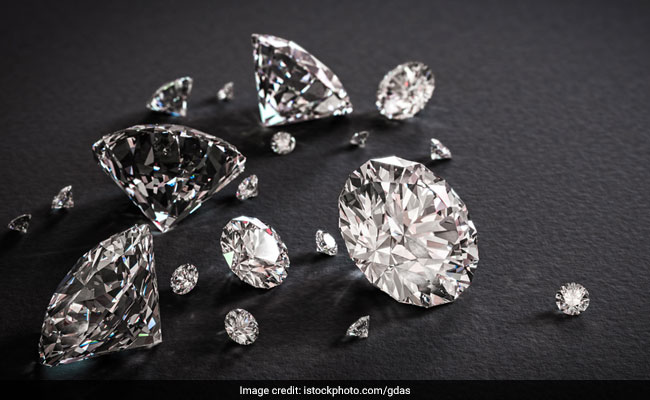
As the coronavirus pandemic upended the global diamond industry, shuttering mines from Lesotho to Canada and disrupting supply chains, Rajen Patel swapped diamond polishing for peanut farming. Patel, who worked for a decade in Surat where about 80 per cent of the world's diamonds are polished, joined the exodus of gem workers leaving the city as cases of the virus shot up. After taking up farming in his home village, he has no plans to return in the coming months. "I won't earn as much I was earning in Surat, but I won't starve and there is no fear of getting infected with coronavirus," he said. Demand for diamonds has plummeted during the pandemic, freezing sales and squeezing prices. With temporary mine closures at risk of becoming permanent, diamond miners are seeking ways to extract more value from their stones.
The lone bright spot has been steady demand for large, high-quality diamonds from affluent investors, according to financiers and sales data.
"There are a lot more enquiries from people seeking to buy these luxury stones as a hedge," said Chris Del Gatto, CEO of the DelGatto Diamond Finance Fund, the largest non-bank lender to the diamond, jewellery and watch industries.
Prices for high quality one-carat diamonds are rising steadily and are currently around 12 per cent higher than at the start of the year, in contrast to still-depressed prices for lower-quality stones of the same size, data from trading platform RapNet shows.
"If you are in that top end, the demand is still there because the people who go for these type of goods feel the pressure of the market downturn less," said Gus Simbanegavi, CEO of Bluerock Diamonds.
But only a few miners are lucky enough to have deposits of large, high-quality diamonds, leaving some producers at risk.
GRIM YEAR
COVID-19 has forced miners to cancel or delay sales, with major diamond shows scrapped due to health and travel restrictions. The few sales that have taken place showed rough diamond prices down between 15 per cent and 27 per cent. "What has happened in the second quarter, I have never seen in my life," De Beers Chief Executive Bruce Cleaver told Reuters. "There was no really properly functioning rough market." Indian imports of rough diamonds plunged from $1.5 billion in February to just $1 million in April, data from the Gem & Jewellery Export Promotion Council shows.
Antwerp, another diamond hub, saw rough imports drop 20 per cent year-on-year in the first half, according to data from Antwerp World Diamond Centre. The city's exports of polished diamonds fell 46 per cent.
REAL OPPORTUNITY
In a bid to survive, some miners are trying to change the traditional pricing game by securing a cut of onward polished diamond sales, and miners may eventually have direct tie-ups with luxury jewellery brands, RCC Diamond Consultants managing director Richard Chetwode predicts.
Australia's Lucapa Diamond Co inked a deal with an unnamed "high-end diamantaire" to sell some of its high-value diamonds from the Mothae mine in Lesotho for $505 per carat plus a 50 per cent share of the margin on the future polished diamond sale.
Lucara Diamond Corp, which mines in Botswana, struck a deal in July with Antwerp manufacturer HB Group under which the miner's diamonds larger than 10.8 carats are sold for a portion of the estimated polished price. "There is real opportunity within the diamond business as a whole to modernise the sales system," said Lucara CEO Eira Thomas. Lucara has also set up an online diamond sales platform.
In the meantime, miners are hoping production cuts will help prices recover. With Rio Tinto's massive Argyle diamond mine in Australia among those coming offstream soon, global diamond production will likely be reined in until 2025, independent analyst Paul Zimnisky forecasts.
Several diamond mines shuttered due to the pandemic have also yet to reopen, including Stornoway Diamonds' Renard mine in Canada, Petra Diamonds' Williamson mine in Tanzania, and Firestone Diamonds' Liqhobong mine in Lesotho, which the company said would likely stay closed until April to preserve cash. Meanwhile, Africa-focused Petra Diamonds is in restructuring talks with creditors, while in Canada's Northwest Territories, Rio Tinto's Diavik mine partner has sought creditor protection, saying it cannot afford the miner's cash calls.
Even De Beers is feeling the pain, saying job cuts are likely, as it remains unclear whether supply will shrink enough to meet plunging demand in the global diamond jewellery market, which Bain estimated was worth $80 billion in 2019.
Industry hopes that the pandemic would boost sales of engagement rings as people reassessed life priorities and more made plans to get married have not borne out.
In retailer Tiffany & Co's February-April quarter, engagement jewellery was the worst-performing category, with sales almost halving.
Overall, fine jewellery sales are expected to drop 19 per cent this year, compared to a 3 per cent rise last year, according to Euromonitor.

-
Indians Are Travelling, But Not Every Journey Is A Holiday | The Week In Whys

Pilgrims, patients and working women are the real travellers, and the system hasn't quite caught up with them.
-
Getting To Work Costs Women More | The Reason Why
It is not just about women paying more than men. It is about women paying much more in cities than in villages.
-
AI Bias In Investing Cannot Be Eliminated, But It Can Be Governed
Framing is a particularly important example as identical financial information presented in terms of gains rather than losses can lead an LLM to reach a different assessment.
-
Joining The Dots | Dark Skies, Steady Diya: Why Hope Holds This Diwali
With war, a weak rupee and foreign outflows weighing on sentiment, policymakers at the NDTV World Summit and market veterans at NDTV Profit Ignite: Diwali Edition offered the same advice: stay invested and filter out the noise.
-
The Curious Case of Equitas Small Finance Bank And A CEO Who Quit For Stock
PN Vasudevan believes persistent investor concerns over a perceived conflict of interest had become a governance overhang on Equitas Small Finance Bank's stock, even as the lender improved profitability and asset quality.
-
Talking Points This Week: AI Cash Burn, A Tiger Comeback And An India That Still Finds Its Own Path
India is not immune to higher oil or tighter global liquidity, yet its earnings base is broader, its domestic policy levers are still available.
-
Foreign Investors Own Half Of HDFC Bank and ICICI Bank. An LTCG Cut Could Matter Most Here
Foreign portfolio investors have US$115 billion parked in HDFC Bank, ICICI Bank. If the government cuts long-term capital gains tax, Jefferies says returning foreign money could land here first.
-
'Never Seen This Level Of Negativity': Sandeep Tandon Says The Next Rally May Be Closer Than You Think
Veteran investor Sandeep Tandon says foreign selling is easing, large-caps are due a comeback and mid-caps are crowded, while he turns positive on gold, power and pharma this Diwali.
-
Indians Stay With Family, Not In Hotels | The Reason Why
India still lacks enough clean, reliable and affordable hotels for budget-conscious travellers.
-
The Economic Imperative: Analysing The Material Driving Force Behind India-Canada Strategic Reset
This economic complementarity is further reinforced by deep institutional investment ties and talent mobility, which form the bedrock of the bilateral framework.










