Eroding Retirement Corpus: Why EPFO Raised Full Withdrawal Wait Time To 12 Months After No Job
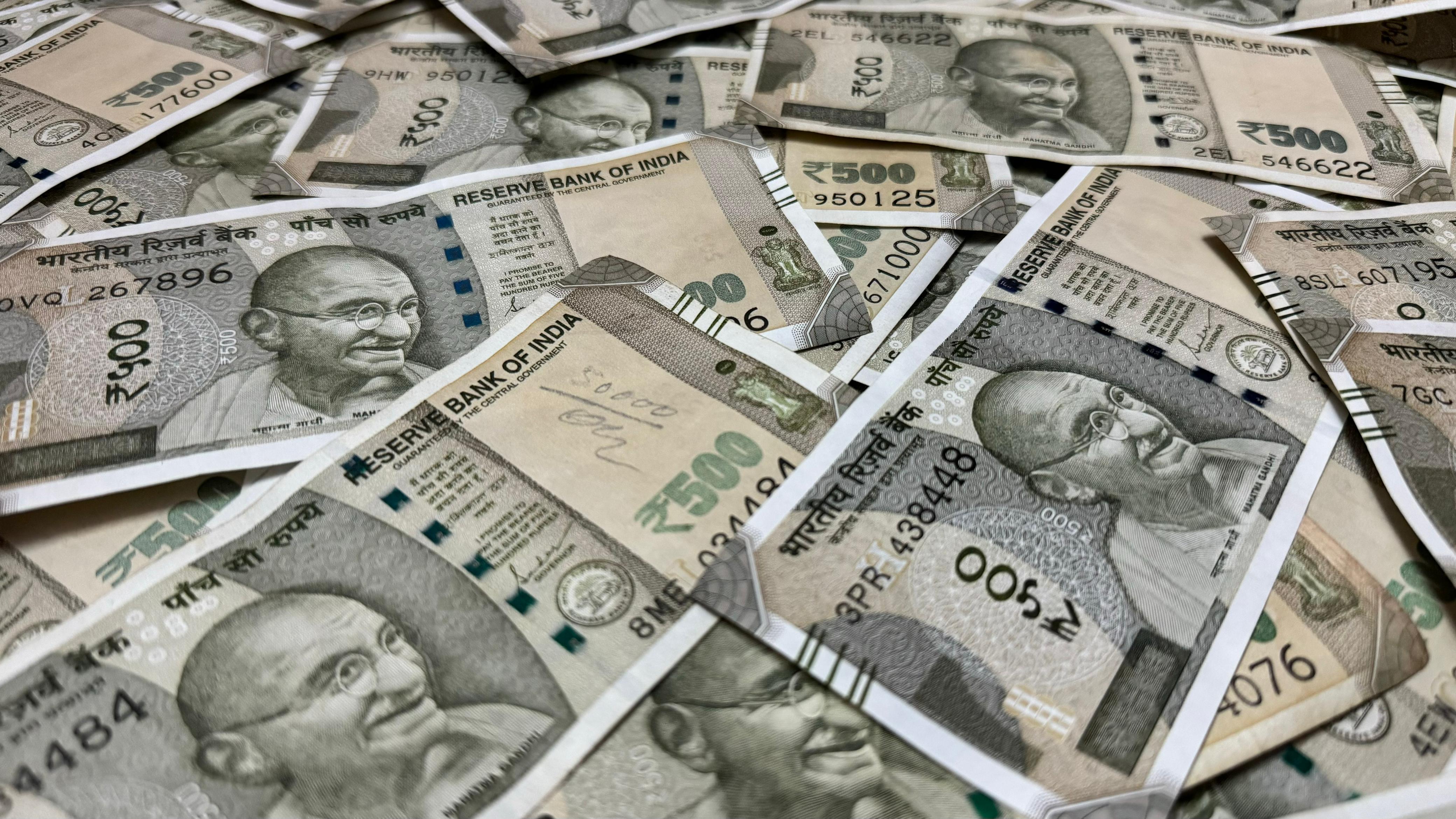
As the government prepares to notify the new EPFO rules, officials have detailed the rationale behind extending withdrawal timelines and creating a uniform 12-month lock-in for all partial withdrawals.
Labour Ministry data, seen by NDTV Profit, shows that frequent early withdrawals have weakened the retirement safety net. About 50% of the EPF members have only less than Rs 20,000 at the time of final settlement, while as many as 75% of the EPF members have only less than Rs 50,000 at the time of final settlement.
About 87% of the EPF members have only less than Rs 1,00,000 at the time of final settlement and roughly 75% of pension withdrawals happen within four years.
Officials hinted that this trend leaves employees with "insufficient PF balance or lack of pensionable service at the time of retirement," undermining the very purpose of the provident fund system.
To address this, the waiting period for premature final EPF settlement has been extended from two months of employment to 12 months, and for final pension withdrawal under the Employees' Pension Scheme from two months to 36 months. The idea, officials said, is not to restrict access but to preserve long-term savings and reduce premature encashments driven by short-term liquidity needs.
The government has simultaneously made withdrawals simpler and more flexible, merging 13 rules into three broad categories -- essential needs, housing, and special circumstances -- with minimal paperwork and faster digital processing. The uniform 12-month service requirement ensures equity across all members, replacing a patchwork of differing eligibility rules that often led to rejections and delays.
While some critics online argue that longer timelines could inconvenience those facing sudden job loss, officials maintain the reform balances "member convenience with retirement security." Partial withdrawals will remain accessible for key life events, while the pension framework is being redesigned to provide continuity of benefits and higher final balances at retirement.

-
We May Need Another Tukaram Mundhe To Fight Air Pollution | The Reason Why

Developers may install basic measures such as sprinklers and green nets, resume work, and continue violating rules when this equipment stops working.
-
Extracting Value From Battery Scrap Could Be Challenging For India | The Reason Why
A discarded lithium-ion battery still contains valuable materials such as lithium, nickel and cobalt. These can be recovered and reused. When such batteries are crushed and shredded, they produce a dark powder called black mass.
-
One El Nino, India Can Handle. Two Could Break The Granary
India's grain stocks can absorb one bad year, but a second El Nino could drain the buffer in two to three years, economists say.
-
India's Troika Of Good Luck | Joining The Dots
As Jensen Huang's exit drags Nvidia down, a cooling AI trade and resilient earnings have revived investor interest in India. A likely RBI rate hike looms.
-
Talking Points This Week: Leadership Shock At Nvidia, Earnings Strength, And The Fog Over Hormuz
The Anthropic IPO pricing and first trading day, Nvidia's upcoming earnings, and any fresh signals from Iran will set the tone for the following week.
-
Signature Play: The Classic Cocktail Is Dead. Or Is It?
Classic cocktails are disappearing from India's cocktail menus. But they're still being ordered, taught to bartenders and borrowed from. So, who's really having the last drink?
-
A New Samvat Wishlist: Inclusive Prosperity And Human Development
India has strengthened its economic foundations through infrastructure, digital access and enterprise. Its next growth chapter must deepen productivity, create better livelihoods and widen participation in prosperity.
-
Love, Sex Aur Dhokha: The Audacious Plot To Spy On Jensen Huang
A Taipei dinner, a Singapore chip buyer and a suspected Chinese asset: inside the alleged spy operation that got close to NVIDIA's Jensen Huang.
-
Ten Things I Learnt This Samvat
Patience can be a trap. Cheap stocks can stay cheap. Leverage can wipe you out. What did Samvat 2082 teach us? Niraj Shah writes on 10 lessons from the year gone by.
-
Talking Points This Week: Tech Nerves, FII Buying, And A Faraway Banking Shock
The global markets are not shining this Diwali. The exception in the large markets is, India.









