FMCG Q3 Preview: Price Hikes, Weak Urban Demand May Dampen Volumes
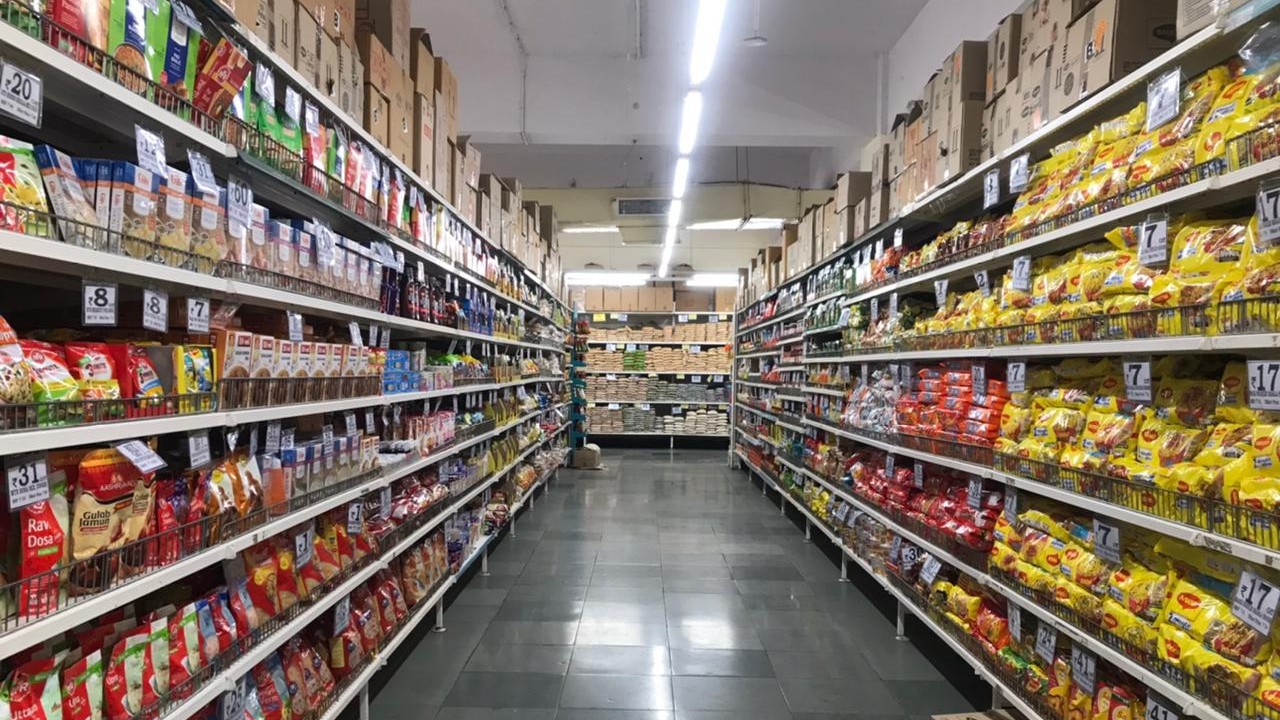
A double whammy of price hikes and weak urban spending is likely to weigh on the volume growth of fast-moving consumer goods companies during the third quarter of fiscal 2025, offsetting the nascent uptick in rural demand.
FMCG companies such as Asian Paints Ltd., Godrej Consumer Products Ltd., Tata Consumer Products Ltd., Nestle India Ltd. and Bajaj Consumer Care Ltd. are likely to be among the worst hit by the prolonged urban slowdown amid low wage growth and higher costs.
Consumers are forced to downtrade to smaller packs of essential items like soap and staples, while cutting back on discretionary spending such as paint, as rising inflation strains household budgets. On the brighter side, however, companies continue to see a gradual recovery in rural demand, aided by factors such as good monsoons, freebies and a strong Kharif harvest. Even as rural outpaces urban demand, it may fall short of providing any material relief to the packaged goods makers.
Inflation aside, a warmer December would also have a bearing on the earnings of Hindustan Unilever Ltd., Dabur Ltd. and Emami Ltd. — all of which have high exposure to winter products.
Analysts estimate volume growth to likely be in low-to-mid single digit for most companies in the festive quarter, similar to Q2 levels if not lower.
"United Spirits, Pidilite, United Breweries and Bikaji are likely to lead in terms of volume growth," according to Abneesh Roy, executive director, Nuvama Institutional Equities. Liquor companies are likely to benefit from the new Andhra policy, a strong wedding season, a soft base along with launches. For the domestic business of Varun Beverages Ltd., the brokerage anticipates a 5% year-on-year volume growth given extended rains in October and some impact from Campa Cola's disruptive play. "But on a consolidated basis, it is expected to report a volume growth of 28% due to the BevCo acquisition."
In its mid-quarter update—released unusually early, Godrej Consumer Products flagged concerns about its key segments, soaps and household insecticides, owing to subdued demand conditions and high inflation. "The weather conditions have also not been supportive (delayed winters in North and cyclone in South India) to the home insecticides segment, that contributes a third to our standalone business."
The Cinthol soap maker expects to report "flattish" volume growth and around "mid-single digit" sales growth this quarter driven by price hikes.
Pricing Growth Rebounds
Pricing growth for FMCG companies is expected to revive after a hiatus.
Companies such as Marico, Nestle, HUL, GCPL and Bikaji have gone for price hikes in Q3 in response to rising cost of raw materials like palm oil, tea, coffee, cocoa, copra and edible oil. Palm oil and tea, for instance, have seen about 30% inflation over the previous year. Analysts say that these price hikes may aid pricing growth of staples' companies even as their margins could remain under pressure.
"We expect sector sales growth of 4.5% year-on-year led by price hikes," according to Nomura analyst Mihir Shah. "This is a sequential improvement but lower than the sector's eight-quarter average growth."
The brokerage expects double-digit revenue growth for Tata Consumer and Marico versus the sector average of 5% growth over last year. It also expects the least growth for Asian Paints, GCPL and HUL.
As for margins, Nomura believes the sharp rise in agri commodity prices to hurt gross margins as companies have taken price increases lower than inflation, given the weak demand environment. "Despite the high raw material prices, we believe companies likely to have sustained their high A&P spends to stay competitive and drive volumes," the brokerage said, forecasting a contraction in operating margins on a year-on-year basis. It expects the highest margin contraction for Tata Consumer, GCPL, Asian Paints, and Colgate and the least dip for Dabur, HUL and Nestle.

-
'Never Seen This Level Of Negativity': Sandeep Tandon Says The Next Rally May Be Closer Than You Think

Veteran investor Sandeep Tandon says foreign selling is easing, large-caps are due a comeback and mid-caps are crowded, while he turns positive on gold, power and pharma this Diwali.
-
Indians Stay With Family, Not In Hotels | The Reason Why
India still lacks enough clean, reliable and affordable hotels for budget-conscious travellers.
-
The Economic Imperative: Analysing The Material Driving Force Behind India-Canada Strategic Reset
This economic complementarity is further reinforced by deep institutional investment ties and talent mobility, which form the bedrock of the bilateral framework.
-
Medicine Pricing: Where Must Profit Stop?
India must confront excessive margins, hidden incentives and regulatory gaps that threaten the integrity of medicine.
-
Why Amazon And Flipkart Are Struggling To Beat Meesho In India's Smaller Cities
With 274 million users and lowest-cost logistics, Meesho is defending its value commerce crown against giants like Amazon and Flipkart.
-
High US Salaries, No Green Card Certainty: The Financial Calculation Facing Indian H-1B Families
The suspension of PERM processing at eight technology employers does not cancel existing H-1B visas. What it does is force a question many Indian families have been avoiding: is the US salary worth tying your career and family plans to one employer?
-
Swiggy vs Eternal: Food Delivery's Two Rivals Are No Longer In The Same Race
Eternal is building a private AI assistant, dark.ai. Swiggy is still working out how to make Instamart pay, with an operating loss of Rs 895 crore in the July-September quarter while Blinkit stayed profitable.
-
Where You Live Shapes How You Get To Work | The Reason Why
Two-wheelers are the most popular way to get to work in India, accounting for nearly 43% of workplace commutes.
-
Unhedged Position: Can India See An Indonesia-Style Time Correction?
The Nifty is trading below levels it first clocked in 2024. Is there, then, as I have suggested in the headline, potential that the current time correction drags on painfully for the next three-five, even ten years?
-
Navigating Friction And Energy Realities: An Analysis Of Marco Rubio's October Visit To India
Occurring at a critical juncture marked by stalled trade negotiations and escalating geopolitical pressures over global energy supplies, the visit offers a profound window into modern US-India relations.










