Five Times Vedanta Triggered Environment Worries
Police firing on people opposing Sterlite Copper Ltd.'s plant in Tuticorin, Tamil Nadu left 12 dead. The protests stem from environmental concerns over the smelter of billionaire Anil Agarwal-led Vedanta Ltd.'s subsidiary. But it's not the first time that a Vedanta project has triggered environment worries. Here's a snapshot:
Tamil Nadu Copper Smelter
People opposing the plant at Tuticorin have been protesting for more than 100 days, saying it causes groundwater and air pollution. Vedanta informed stock exchanges in April that the Tamil Nadu Pollution Control Board had refused to renew permission to operate the copper plant. The board later cited dumping of slag or waste in Uppar river, not submitting reports of groundwater analysis, generating hazardous waste and not studying possible arsenic content, the NewsMinute reported.
Sterlite Copper also plans to expand capacity. The Madurai bench of the Madras High Court today stayed construction of a new smelter in the same district, news agency ANI reported.
P Ramnath, the company's chief executive officer, told BloombergQuint in an interview that environmental concerns have been dealt with by the Supreme Court and the National Green Tribunal. “We have spent over Rs 500 crore for environmental mitigation in our facility.”
Mining In Odisha's Niyamgiri Hills
Vedanta built an aluminium refinery for Rs 50,000 crore at Lanjigarh, Odisha which has been operational since 2007. The company wanted to source bauxite from the neighbouring Niyamgiri hills, home to about 8,000 tribal people. In 2010, the Ministry of Environmental and Forest turned down its mining proposal citing possible impact on environment, according to the Economic Times. The company challenged the move but the Supreme Court in 2013 rejected the appeal to revoke the ban, saying only the gram sabhas (village councils) could permit so.
Vedanta, along with state-run Orissa Mining Corporation Ltd., moved the Supreme Court to hold the second round of gram sabha hearings, the Business Standard reported. The request was turned down in 2016.
Power Plant In Punjab
Vedanta's 1,980-megawatt thermal power plant Talwandi Sabo, Punjab became fully operational in 2016. The Punjab Pollution Control Board imposed a fine of Rs 5 lakh on it for flouting environmental norms, according to a report in the Hindustan Times. The unit was found to be using 34 percent more ash to generate power, causing fly ash pollution.
In April 2017, a fire broke out in its coal handling unit damaging the conveyor belt. Vedanta had to shut down operations after the incident, the Times of India had reported.
Goa Mining
In 2012, the Goa State Pollution Control Board had asked Vedanta, earlier Sesa Goa Ltd., to stop mining at its coke unit at Navelim in Bicholim taluka, near Panjim, Goa, according to a report in the Economic Times.
Local villagers staged a protest claiming that the mine had polluted water resources and soot settled on their homes and food, the Business Line reported. The pollution control board said the company didn't monitor air quality and needed to address it immediately. The plant used to generate 280,000 tonnes of metallurgical coke a year.
Zambia Copper Plant Spillage
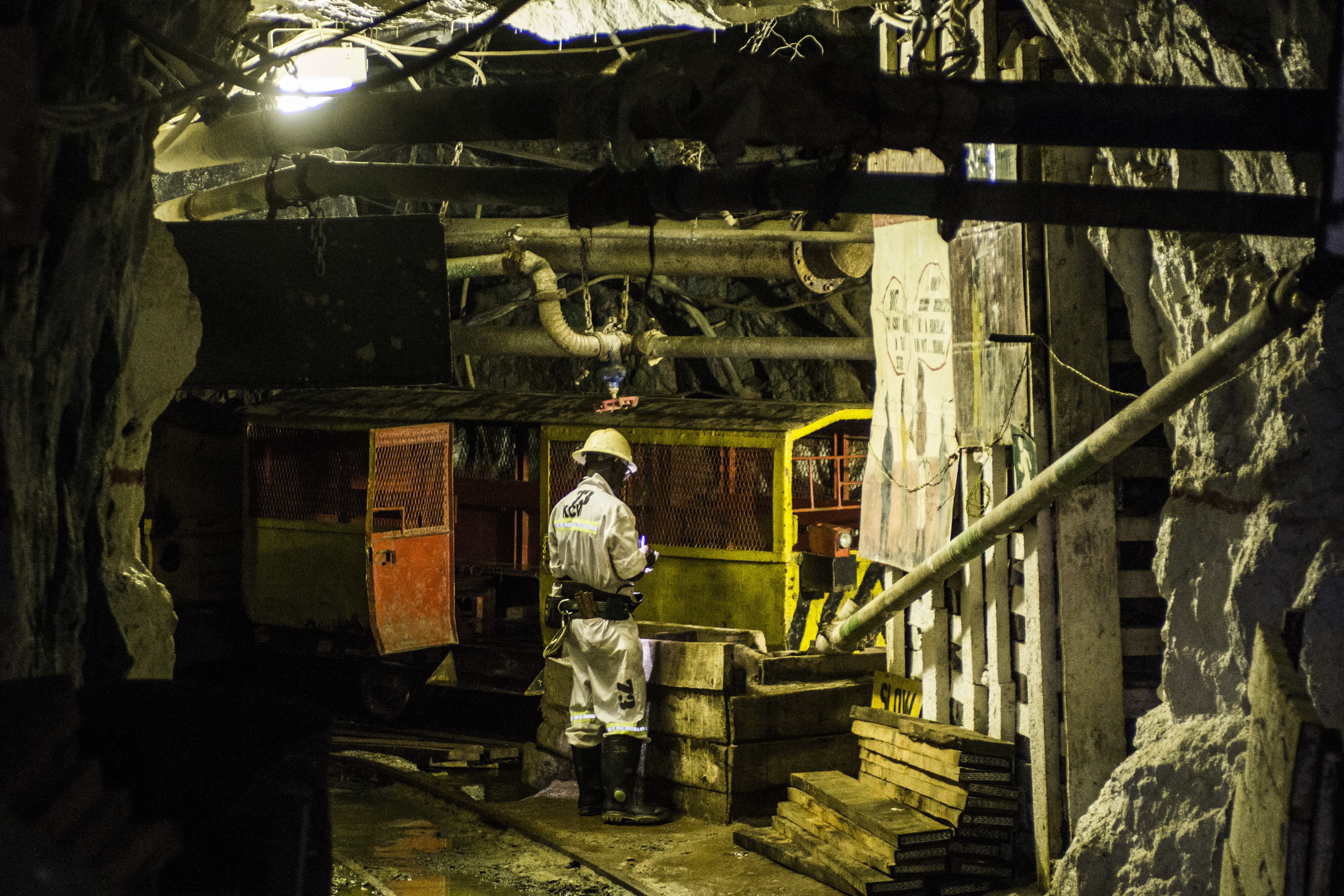
The Supreme Court of Zambia in 2015 upheld a high court ruling that Vedanta's Konkola Copper Mines in the southern African nation caused pollution. A spillage in 2006 at the leach plant—for recovering metal from raw materials—resulted in effluents leaking into the Mushishima stream in Chingola region of Zambia. Vedanta said it has spent over $700 million towards improving the environmental performance of its operations, the Scroll had reported.
In October last year, Zambian villagers won right to sue Vedanta, also listed in London, in English courts, according to a Reuters report.

-
Getting To Work Costs Women More | The Reason Why

It is not just about women paying more than men. It is about women paying much more in cities than in villages.
-
AI Bias In Investing Cannot Be Eliminated, But It Can Be Governed
Framing is a particularly important example as identical financial information presented in terms of gains rather than losses can lead an LLM to reach a different assessment.
-
Joining The Dots | Dark Skies, Steady Diya: Why Hope Holds This Diwali
With war, a weak rupee and foreign outflows weighing on sentiment, policymakers at the NDTV World Summit and market veterans at NDTV Profit Ignite: Diwali Edition offered the same advice: stay invested and filter out the noise.
-
The Curious Case of Equitas Small Finance Bank And A CEO Who Quit For Stock
PN Vasudevan believes persistent investor concerns over a perceived conflict of interest had become a governance overhang on Equitas Small Finance Bank's stock, even as the lender improved profitability and asset quality.
-
Talking Points This Week: AI Cash Burn, A Tiger Comeback And An India That Still Finds Its Own Path
India is not immune to higher oil or tighter global liquidity, yet its earnings base is broader, its domestic policy levers are still available.
-
Foreign Investors Own Half Of HDFC Bank and ICICI Bank. An LTCG Cut Could Matter Most Here
Foreign portfolio investors have US$115 billion parked in HDFC Bank, ICICI Bank. If the government cuts long-term capital gains tax, Jefferies says returning foreign money could land here first.
-
'Never Seen This Level Of Negativity': Sandeep Tandon Says The Next Rally May Be Closer Than You Think
Veteran investor Sandeep Tandon says foreign selling is easing, large-caps are due a comeback and mid-caps are crowded, while he turns positive on gold, power and pharma this Diwali.
-
Indians Stay With Family, Not In Hotels | The Reason Why
India still lacks enough clean, reliable and affordable hotels for budget-conscious travellers.
-
The Economic Imperative: Analysing The Material Driving Force Behind India-Canada Strategic Reset
This economic complementarity is further reinforced by deep institutional investment ties and talent mobility, which form the bedrock of the bilateral framework.
-
Medicine Pricing: Where Must Profit Stop?
India must confront excessive margins, hidden incentives and regulatory gaps that threaten the integrity of medicine.










