All Deposits By Indians In Swiss Banks Not Black Money, Government Says
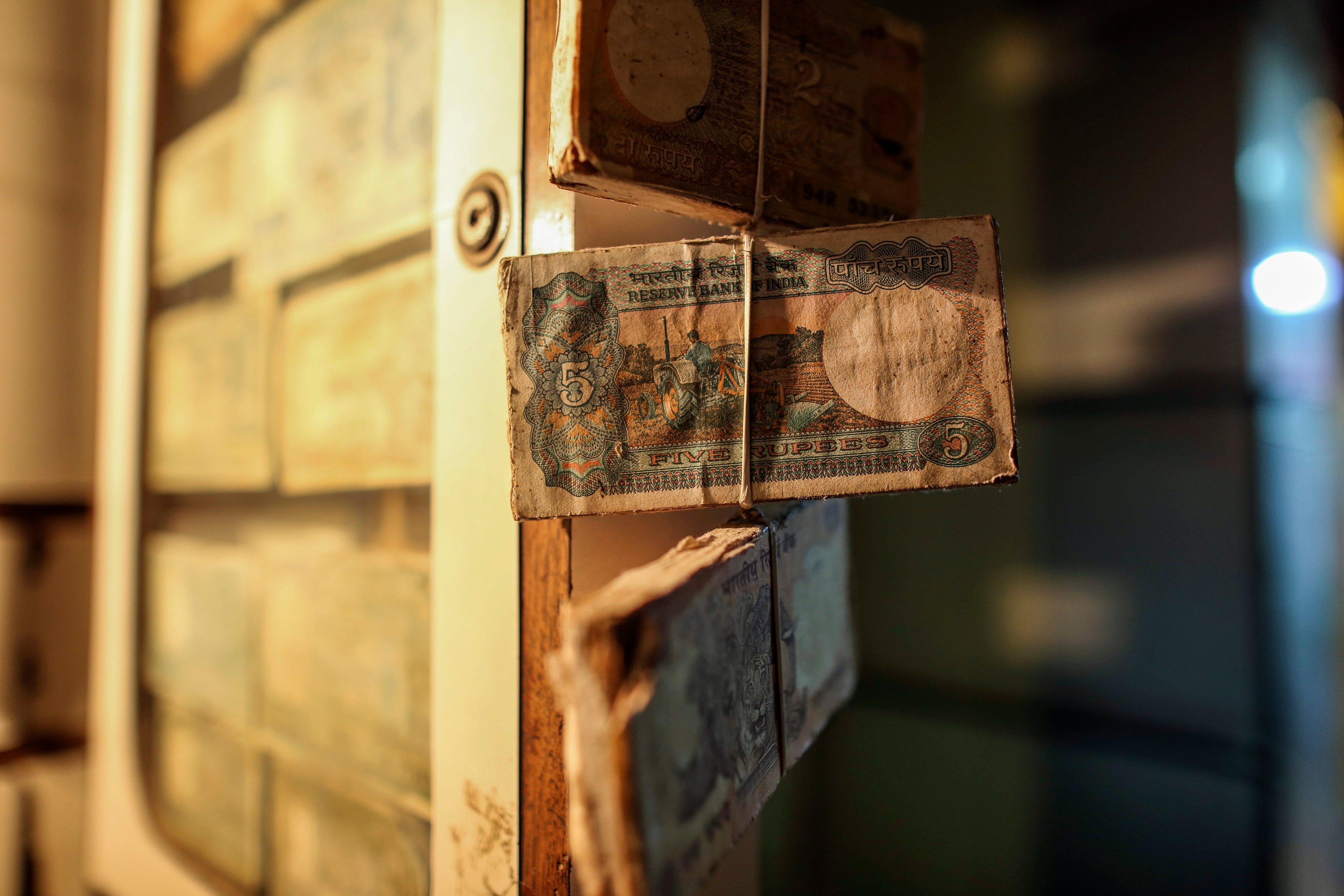
The government today said all the deposits by Indians in Swiss bank accounts cannot be termed black money and action will be taken against persons parking illegal funds overseas after Switzerland starts sharing real-time account details from January onward.
Latest data from the Swiss National Bank showed that money parked by Indians in Swiss banks rose over 50 percent to 1.01 billion Swiss franc (Rs 7,000 crore) in 2017, reversing a three-year downward trend amid India's clampdown on suspected black money stashed by its citizens overseas.
The revelations created a furore in political circles with Opposition leaders taking a swipe at the Narendra Modi-led government over the rise in Indian money in Swiss banks.
The government also said all the money in Swiss banks should not be termed illegal as past investigations by the tax department have shown that it includes funds held by persons of Indian origin who now hold foreign passport, monies belonging to non-resident Indians, as also funds belonging to resident Indians who have made legitimate investments abroad, including transfer of money under the Liberalised Remittance Scheme.
"A news item has appeared today indicating an increase of money by ‘Indians' in the Swiss banking system. This has led to misinformed reaction in certain circles raising a query whether the government's anti-black money steps have yielded results," Jaitley said in a blog.
Noting that Switzerland in financial disclosures was always a reluctant state, Jaitley said the Alpine nation has amended its domestic laws involving all disclosures and entered into a treaty even with India and real-time flow of information with regard to Indians would be made.
The flow of information is starting in January 2019. Any illegal depositor knows that it is a matter of months before his name becomes public and he will be subjected to the harsh penal provisions of the black money law in India.Arun Jaitley, Union Minister
Earlier in the day, while talking to reporters, interim Finance Minister Piyush Goyal wondered how all of it can be assumed to be black money but said strong action would be taken against anyone found guilty of wrongdoing.
Referring to the rise in Swiss bank deposits by Indians, Goyal said, “The data that you alluded to will come to us, so how are you assuming that this is black money or this is illegal transaction?” Around 40 percent of this money is because of the LRS, Goyal said, citing media reports.
The scheme was introduced by former Finance Minister P Chidambaram. Under the LRS, an individual could remit up to $2,50,000 per year.
"We will have all information. If someone is found guilty, the government will take strong action against them," Goyal said.
India has a treaty with Switzerland under which the Swiss government would provide all data from Jan. 1, 2018, Goyal said.
In his blog, Jaitley also said that those who participate in a public discourse must understand the basic facts before expressing an opinion which may be ill-informed.
“To assume that all the deposits are per se tax evaded money or that Switzerland in the matter of illegal deposits is what it was decades ago, is to start on a shaky presumption,” he added in the blog titled ‘The Impact of the Government Polices on Direct Tax Collections'.
Jaitley, who was holding finance portfolio, is currently a minister without any charge as he is recuperating after a kidney transplant operation.
The Narendra Modi-led NDA government has a multi-pronged strategy to increase the tax base, Jaitley said, adding that a campaign involving various steps to flush out black-money was initiated.
"The first big news for this year is that the advance tax deposit during the first quarter of this year has seen a gross increase of 44 percent in the personal income tax category and 17 per cent in the corporate tax category," Jaitley said.
Because of steps taken by the government, the total income tax collection for the year 2017-18 is Rs 10.02 lakh crore, 57 percent increase in four years, he said.

-
Getting To Work Costs Women More | The Reason Why

It is not just about women paying more than men. It is about women paying much more in cities than in villages.
-
AI Bias In Investing Cannot Be Eliminated, But It Can Be Governed
Framing is a particularly important example as identical financial information presented in terms of gains rather than losses can lead an LLM to reach a different assessment.
-
Joining The Dots | Dark Skies, Steady Diya: Why Hope Holds This Diwali
With war, a weak rupee and foreign outflows weighing on sentiment, policymakers at the NDTV World Summit and market veterans at NDTV Profit Ignite: Diwali Edition offered the same advice: stay invested and filter out the noise.
-
The Curious Case of Equitas Small Finance Bank And A CEO Who Quit For Stock
PN Vasudevan believes persistent investor concerns over a perceived conflict of interest had become a governance overhang on Equitas Small Finance Bank's stock, even as the lender improved profitability and asset quality.
-
Talking Points This Week: AI Cash Burn, A Tiger Comeback And An India That Still Finds Its Own Path
India is not immune to higher oil or tighter global liquidity, yet its earnings base is broader, its domestic policy levers are still available.
-
Foreign Investors Own Half Of HDFC Bank and ICICI Bank. An LTCG Cut Could Matter Most Here
Foreign portfolio investors have US$115 billion parked in HDFC Bank, ICICI Bank. If the government cuts long-term capital gains tax, Jefferies says returning foreign money could land here first.
-
'Never Seen This Level Of Negativity': Sandeep Tandon Says The Next Rally May Be Closer Than You Think
Veteran investor Sandeep Tandon says foreign selling is easing, large-caps are due a comeback and mid-caps are crowded, while he turns positive on gold, power and pharma this Diwali.
-
Indians Stay With Family, Not In Hotels | The Reason Why
India still lacks enough clean, reliable and affordable hotels for budget-conscious travellers.
-
The Economic Imperative: Analysing The Material Driving Force Behind India-Canada Strategic Reset
This economic complementarity is further reinforced by deep institutional investment ties and talent mobility, which form the bedrock of the bilateral framework.
-
Medicine Pricing: Where Must Profit Stop?
India must confront excessive margins, hidden incentives and regulatory gaps that threaten the integrity of medicine.










