Finance Ministry Releases Timelines For Submission Of Budget Proposals
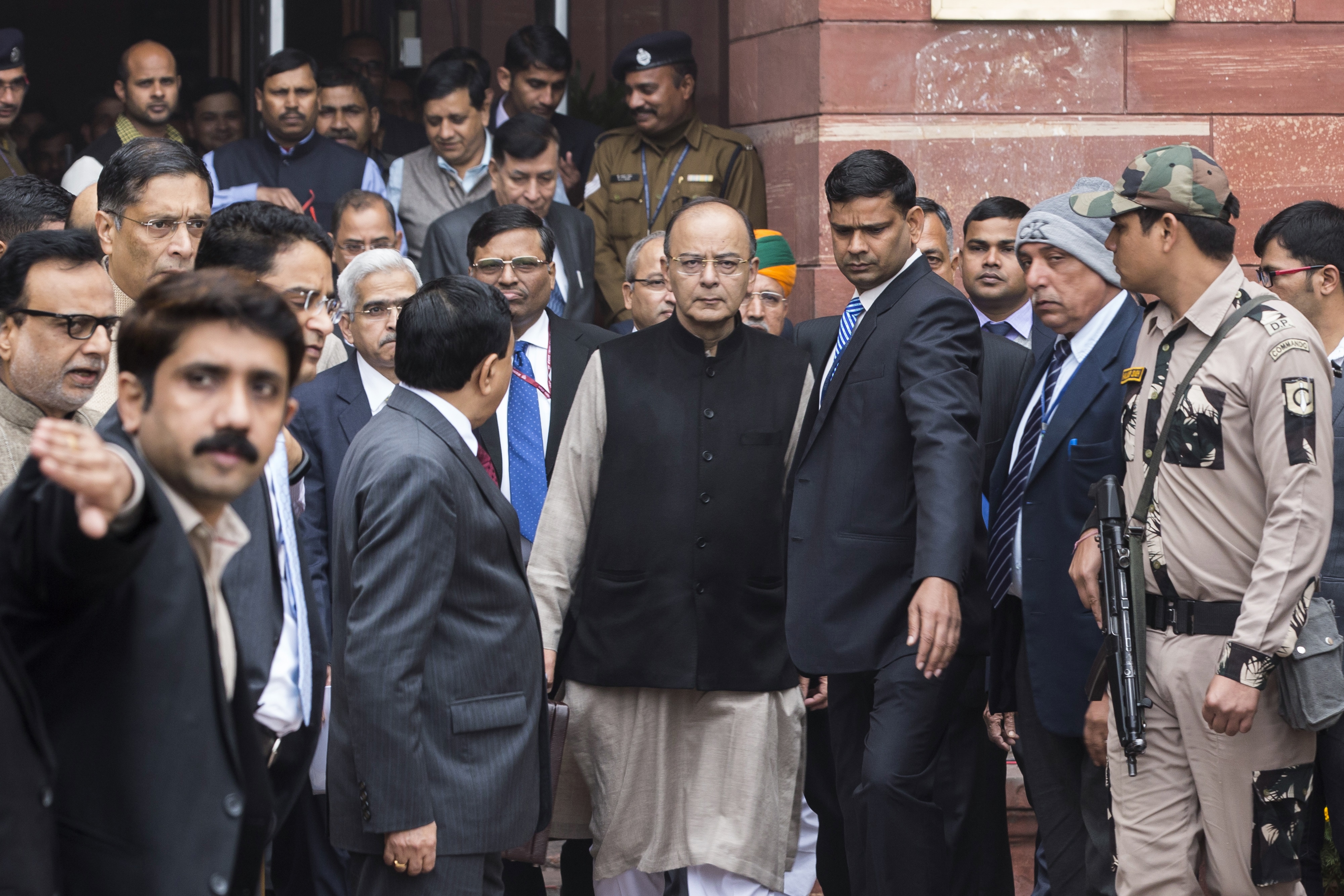
The finance ministry on Wednesday released timelines for submission of proposals by different ministries and departments towards preparation of the first post-GST Budget, scheduled to be presented in February.
As per the circular for the Budget 2018-19, the pre-Budget meetings of ministries and departments will start from October 9.
“All data, as per the prescribed formats, will need to be submitted on UBIS (Union Budget Information System) platform. Data entered in the UBIS shall form the basis for generating both Statement of Budget Estimates and the Detailed Demand for Grants,” the circular said.
The basis of the final budgetary allocations will be the ceilings indicated in the Medium-term Expenditure Framework statement, it added.
The MTEF statement was tabled in Parliament in the monsoon session in August, 2017. Using the allocations indicated in the MTEF statement, each ministry would decide the allocations and forward them to the budget division.
As per the timeline, estimates of capital receipts have to submitted to the budget division by October 16, and for revenue receipts by November 15. Further, the outcome budget framework would also need to be prepared as per the allocations indicated in the MTEF statement.
“The outcome budget would need to be duly approved by NITI Aayog and Public Finance, Department of Expenditure,” the circular said.
For the central sector and centrally sponsored schemes, tentative ceilings would be discussed during the pre-Budget meetings.
The government expects GDP estimates, a key macroeconomic data used in preparation of the budget, from the Central Statistics Office by January 6. It also contains revised estimates of revenue and expenditure.
The annual exercise of budgeting is a means for detailing the roadmap for efficient use of public resources taking into account socio-economic and political priorities.

-
India's Troika Of Good Luck | Joining The Dots

A weaker Trump, a cooling AI trade and resilient earnings have put Indian markets back in favour. Rising inflation could spoil the party.
-
Talking Points This Week: Leadership Shock At Nvidia, Earnings Strength, And The Fog Over Hormuz
The Anthropic IPO pricing and first trading day, Nvidia's upcoming earnings, and any fresh signals from Iran will set the tone for the following week.
-
Signature Play: The Classic Cocktail Is Dead. Or Is It?
Classic cocktails are disappearing from India's cocktail menus. But they're still being ordered, taught to bartenders and borrowed from. So, who's really having the last drink?
-
A New Samvat Wishlist: Inclusive Prosperity And Human Development
India has strengthened its economic foundations through infrastructure, digital access and enterprise. Its next growth chapter must deepen productivity, create better livelihoods and widen participation in prosperity.
-
Love, Sex Aur Dhokha: The Audacious Plot To Spy On Jensen Huang
A Taipei dinner, a Singapore chip buyer and a suspected Chinese asset: inside the alleged spy operation that got close to NVIDIA's Jensen Huang.
-
Ten Things I Learnt This Samvat
Patience can be a trap. Cheap stocks can stay cheap. Leverage can wipe you out. What did Samvat 2082 teach us? Niraj Shah writes on 10 lessons from the year gone by.
-
Talking Points This Week: Tech Nerves, FII Buying, And A Faraway Banking Shock
The global markets are not shining this Diwali. The exception in the large markets is, India.
-
Midterm Rally Lasted A Day. The Hard Reality Of A Divided US May Last Two Years | Opinion
Between a contested AI boom, a debt ceiling that arrives in 2027 and a president with every incentive to act alone, the next two years may prove more volatile than the first day's rally suggests.
-
Blue Wave Will Derail the AI Trade but Won't Dismantle the AI Era | Unhedged Position
The Democrats' sweep of the US Congress will see politics collide with economic forces both over the long and short term.
-
It's Time To Take The GST Council's Bet On Trust Global
Payment records can prove India's services exports, and clear, proportionate rules can bring foreign digital sellers into the tax net.









