Fed Holds Rates At 22-Year High, Signals Concern On Yield Rise
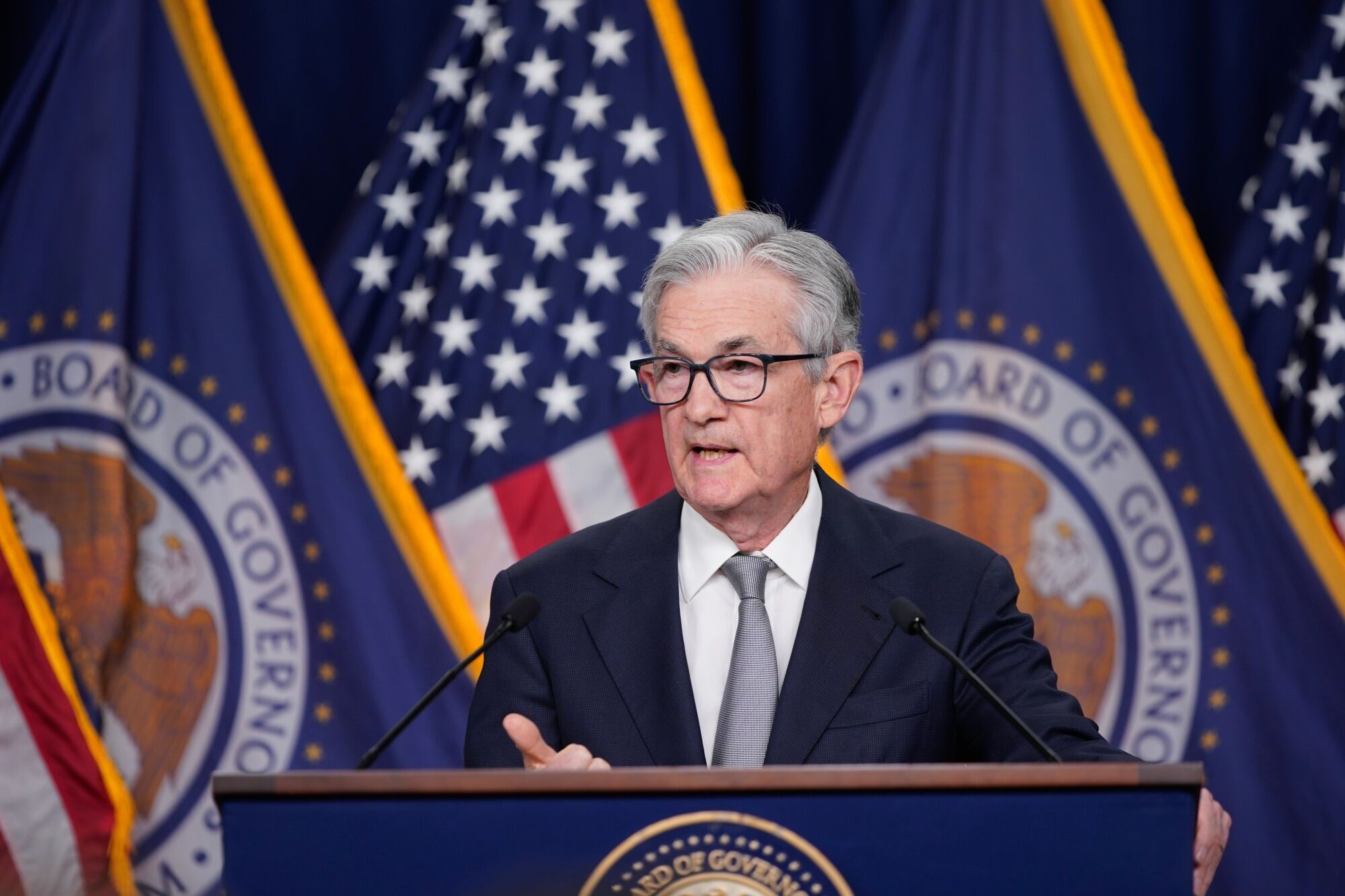
(Bloomberg) -- The Federal Reserve held interest rates at a 22-year high for a second straight meeting, while suggesting that the recent rise in Treasury yields may weigh on the economy and inflation.
“Tighter financial and credit conditions for households and businesses are likely to weigh on economic activity, hiring, and inflation,” the US central bank's policy-setting Federal Open Market Committee said in a post-meeting statement published Wednesday in Washington, adding the word “financial” to language that previously referred only to credit conditions.

“The extent of these effects remains uncertain,” the Fed said, repeating that it “remains highly attentive to inflation risks.”
Click here for Bloomberg's TOPLive blog on the Fed decision and press conference
In a press conference following the decision, Fed Chair Jerome Powell said financial conditions have “tightened significantly in recent months driven by higher, longer—term bond yields, among other factors.”
The Fed chief said previous rate hikes were putting downward pressure on economic activity and inflation, and the full effects of tightening had yet to be felt.
“In light of the uncertainties and risks and how far we have come, the committee is proceeding carefully,” Powell said. “We will continue to make our decisions meeting by meeting.”
He also said additional evidence of persistently above-trend growth, or that tightness in the labor market is no longer easing, could put further progress on inflation at risk and could warrant further rate increases, echoing remarks he made in New York last month.
The unanimous decision left the target range for the benchmark federal funds rate unchanged at 5.25% to 5.5%, the highest since 2001, as part of a strategy to slow the pace of rate increases as the central bank nears the end of its tightening campaign.
The S&P 500 index and Treasuries extended their rally while the dollar slipped after the announcement.
Officials made minimal changes to the statement. One tweak was to upgrade their description of the pace of economic growth to “strong” from “solid” to reflect better economic data released since their September gathering.
Policymakers repeated that, in determining “the extent of additional policy firming that may be appropriate to return inflation to 2% over time,” they would take into account the cumulative tightening of monetary policy, as well as lag effects on the economy and inflation.
Hike Odds
Heading into the decision, traders saw a one-in-three chance of a 25 basis-point increase by the end of January. The FOMC meets next on Dec. 12-13 and then on Jan. 30-31.
After rapidly raising borrowing costs from near-zero levels in March 2022 to fight against inflation, officials are taking time to assess the effects of their past rate moves without ruling out further tightening.
Some officials have also said the recent surge in long-term Treasury yields may reduce the need for further rate increases.
GDP Growth
The US economy expanded at a 4.9% annualized rate last quarter, the fastest clip in almost two years as consumers splurged broadly on furniture, travel and other discretionary purchases.
A measure of underlying inflation that's closely watched by Fed officials also accelerated to a four-month high in September, when job gains blew past expectations.
Policymakers will get another update on the employment picture Friday, when the Labor Department will release the jobs report for October.
Read More: American Summer of Spending Goes Beyond Taylor Swift and Movies
Whether that economic strength persists or slows down is one of the biggest questions facing policymakers, and the outcome has the potential to shape the direction for inflation and interest rates.
Projections released at the Fed's September gathering showed a majority of policymakers at the time supported one more rate increase this year. They also saw borrowing costs remaining higher for longer.
Treasury Yields
But a rise in yields since the gathering has prompted some officials, including Dallas Fed President Lorie Logan and other hawkish policymakers, to signal support for another pause in rate increases at this week's meeting.
Many forecasters expect spending and growth to slow this quarter as larger debt payments, lower income gains and shrinking cash piles weigh on households.
Tentative agreements between the United Auto Workers union and all three of Detroit's biggest automakers remove one economic obstacle. But officials will need to monitor other possible headwinds, including mortgage rates near 8% sidelining home buyers, a potential US government shutdown and an escalating war between Israel and Hamas.
However, other policymakers say they're concerned the surprisingly strong economy may cause inflation to remain stubbornly high for longer than officials would like to see.
Read More: Fed to Weigh How Much Fuel Consumers Have Left After Rate Hikes
(Updates with Powell comment starting in fourth paragraph.)
More stories like this are available on bloomberg.com
©2023 Bloomberg L.P.

-
Talking Points This Week: Leadership Shock At Nvidia, Earnings Strength, And The Fog Over Hormuz

The Anthropic IPO pricing and first trading day, Nvidia's upcoming earnings, and any fresh signals from Iran will set the tone for the following week.
-
Signature Play: The Classic Cocktail Is Dead. Or Is It?
Classic cocktails are disappearing from India's cocktail menus. But they're still being ordered, taught to bartenders and borrowed from. So, who's really having the last drink?
-
A New Samvat Wishlist: Inclusive Prosperity And Human Development
India has strengthened its economic foundations through infrastructure, digital access and enterprise. Its next growth chapter must deepen productivity, create better livelihoods and widen participation in prosperity.
-
Love, Sex Aur Dhokha: The Audacious Plot To Spy On Jensen Huang
A Taipei dinner, a Singapore chip buyer and a suspected Chinese asset: inside the alleged spy operation that got close to NVIDIA's Jensen Huang.
-
Ten Things I Learnt This Samvat
Patience can be a trap. Cheap stocks can stay cheap. Leverage can wipe you out. What did Samvat 2082 teach us? Niraj Shah writes on 10 lessons from the year gone by.
-
Talking Points This Week: Tech Nerves, FII Buying, And A Faraway Banking Shock
The global markets are not shining this Diwali. The exception in the large markets is, India.
-
Midterm Rally Lasted A Day. The Hard Reality Of A Divided US May Last Two Years | Opinion
Between a contested AI boom, a debt ceiling that arrives in 2027 and a president with every incentive to act alone, the next two years may prove more volatile than the first day's rally suggests.
-
Blue Wave Will Derail the AI Trade but Won't Dismantle the AI Era | Unhedged Position
The Democrats' sweep of the US Congress will see politics collide with economic forces both over the long and short term.
-
It's Time To Take The GST Council's Bet On Trust Global
Payment records can prove India's services exports, and clear, proportionate rules can bring foreign digital sellers into the tax net.
-
Opinion | India at 38: From Innovation Overperformer to Innovation Powerhouse
India now has 453 VC-backed deep science startups, 18 of them late-stage, after 117 percent growth since 2020. Laurus Labs, at USD 9.3 billion, is the most valuable deep science company in any middle-income economy outside China.









