Farm Loan Waivers Must Be The Last Resort
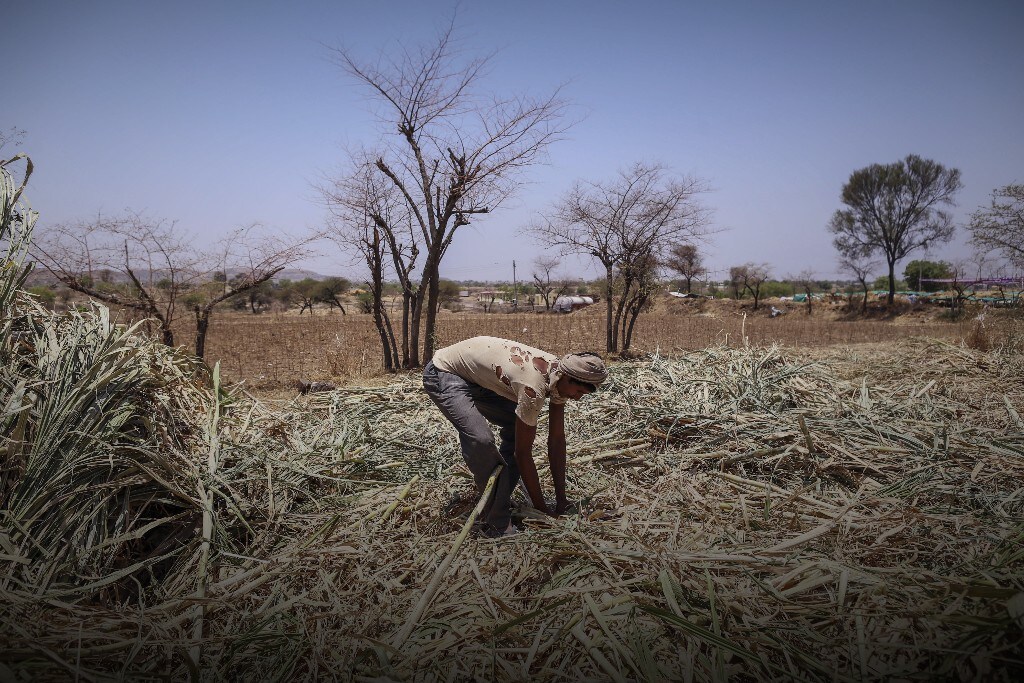
The critical aspects of implementing any loan waiver scheme in the Indian context – where there is considerable opacity in the process – include identifying the conditions which make repayment difficult and shortlisting borrowers who would qualify for such forgiveness. Usually, such waivers are often associated with farm loans and have in the past been politically popular as well as expedient.
Promises to waive farm loans in the recently concluded Uttar Pradesh elections have prompted similar demands by political leaders in Maharashtra. The size of a loan waiver package for farmers in Uttar Pradesh is expected to be around Rs 25,000 crore while for Maharashtra indications are that it would cross Rs 30,000 crore. This could well set off a chain reaction.
With the same political party now governing at the Centre and the two states in question, other states can legitimately demand the same for their farmers.
The perspective of the three parties involved in a farm loan waiver – the lender, the borrower, and the government – need closer study.
Banks: Won't Foot The Waiver Bill
A bank would be wary of forgiving loans due to the impact such an action would have on its profit and loss account. The finance ministry's Gyan Sangam conferences with bankers have stressed on ensuring profitability, and lending on judicious commercial terms. Given this backdrop, banks are unlikely to be willing to bear the cost.
Also Read: SBI Chief Warns Against Farm Loan Waivers
Governments: States Under Fiscal Pressure
If banks are asked to write off loans, they will want compensation, and this is where the government steps in. But in our federal structure, which government should compensate the banks? The central government can cover farmers across all states. A state government can address distress that's specific to a region.
To revive state electricity boards, the Ujwal DISCOM Assurance Yojana (UDAY) transferred debt from the books of the DISCOMs to states' balance sheet. This has significantly increased debt and interest commitments for most states.
Farm Borrowers: Game Theory
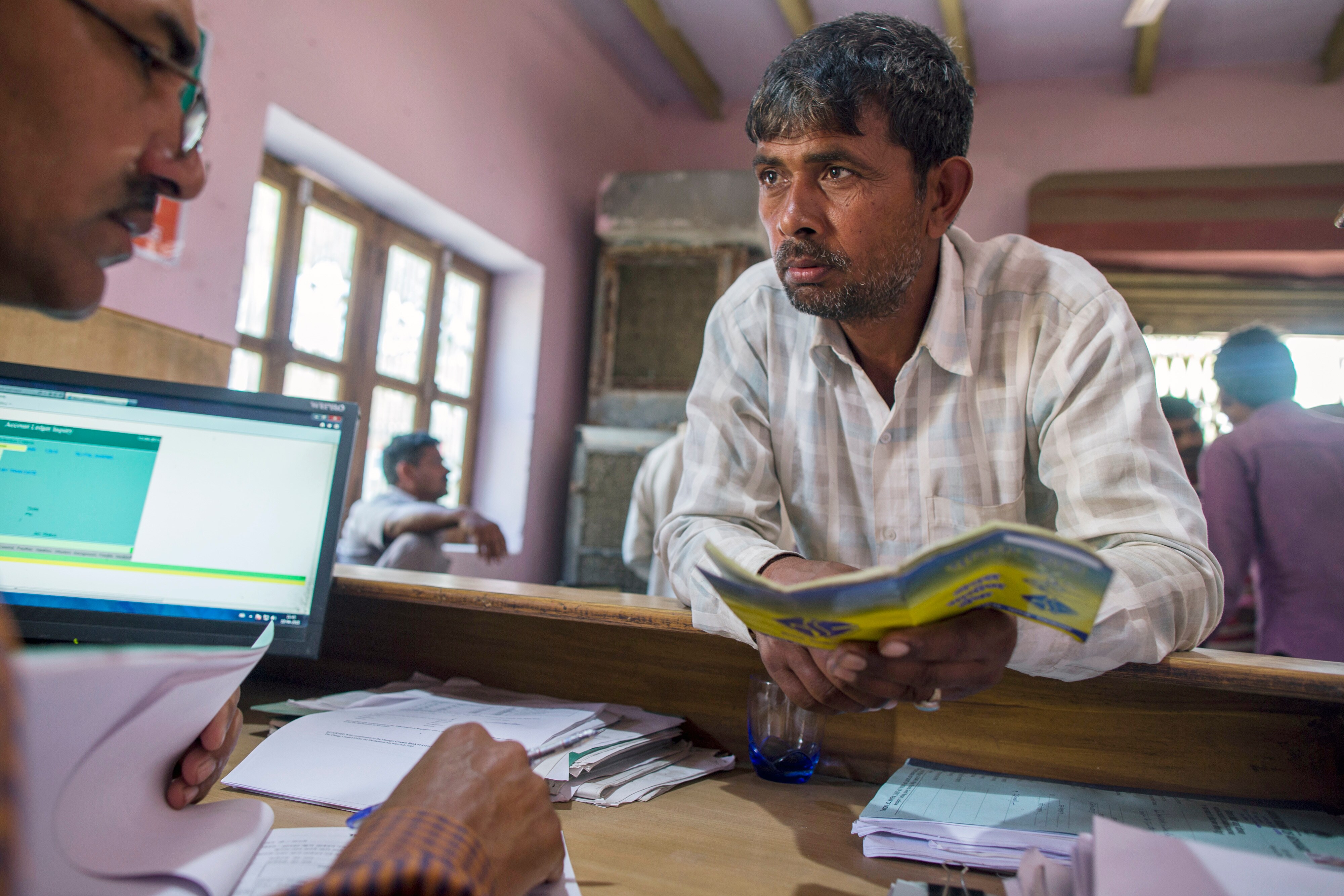
For a farm borrower, the debt waiver theme enters the realm of game theory, where incentives in the plan can determine behaviour. According to the UPA government's nationwide scheme introduced in 2008, Rs 50,000 crore was set aside for 100 percent waiver of loans taken by marginal and small farmers. ‘Other' farmers, if they had repaid 75 percent of the debt on time, would get 25 percent set off. This 25 percent was worth Rs 10,000 crore.
Help Needed But Comes With A Moral Hazard
Many farmers in India require assistance with their debt burden. The National Crime Records Bureau's annual report for 2015 shows 12,602 suicides across India were linked to the farming sector. In addition to the enormous human loss, such distress is embarrassing for banks as well as the government.
But the problem with a farm loan waiver scheme is that it creates a moral hazard. Farmers who pay on time would be at a disadvantage since they would be punished for being compliant while those who do not want or cannot pay – the distinction is always difficult to make – benefit.
Further, for those who cannot repay, there is an incentive to continue to borrow and not repay in future, with the hope that there will be similar such schemes that will be floated by the state.
Farmers have also been known to use the loan for consumption and not for farming, and then cite lower production as the reason for not being able to pay on time. By considering frequent waivers, the government may be creating systems that can be gamed.
Borrowers may not be alone in trying to game the system. There is anecdotal evidence from earlier waivers that some bankers would tend to game the system by showing loans as written off when they were being serviced. This would give the bank a larger claim on the funds made available by the government. Such practices by lenders as well borrowers are difficult to root out as loan waivers generate perverse incentives.
Also Read: Past Experience Points To Futility Of Farm Loan Waiver Schemes
Weather Disruptions
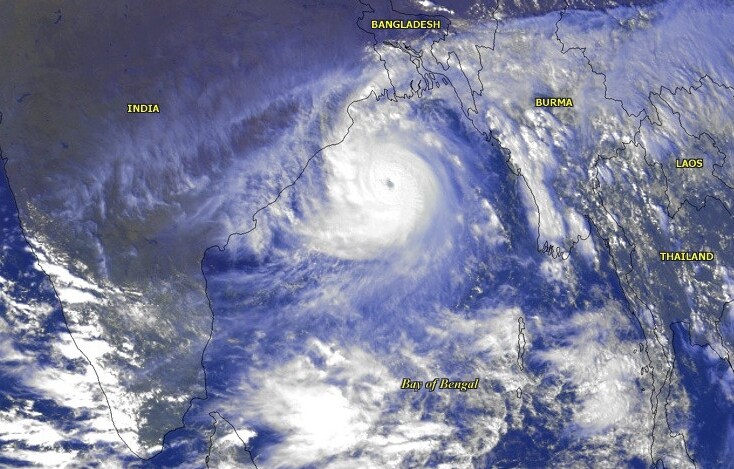
The distress in agriculture requires a clear approach from the government. We are seeing weather conditions like the El Niño occur more frequently. This affects the monsoon in India, and consequently, its kharif harvest. Even in years where the national average of rainfall is ‘normal', there tends to be a deficit in rain-shadow areas, like the cotton belt of Maharashtra. The states of Andhra Pradesh, Telangana, Rajasthan, Madhya Pradesh and Chhattisgarh are susceptible to drought. In addition, West Bengal, Odisha, and coastal Andhra Pradesh are often hit by cyclonic storms which destroy crops. All these weather disruptions add to farmers' financial stress.
Crop Insurance And Credit Default Swaps
Loan waivers should – as a rule – be the last resort, used only when all other measures fail. One way out is a comprehensive insurance for all crop loans where the loss is compensated for by the system. This has already been introduced by the government, which pays a large part of the premium on the farmer's behalf.
Banks could be covered by insurance too in the event of a default.
As a market-based solution, this credit exposure can be transferred with a product like a credit default swap, where the seller of the swap protects the bank.
Targeted Solutions From The Government
Alternatively, governments need to create funds from their own revenue collection, which can be built and used for the purpose of writing off farm loans. However, to ensure that these schemes work well, it it critical to identify the correct target groups as well as the appropriate ‘adverse circumstances' leading to distress.
If Infra Loans Are Allowed To Go Bad, Why Not Farm Loans?
While loan waivers are generally speaking not a great idea, one compelling argument given for invoking them is that just as concessions are made for infrastructure loans that go bad, farm loans too deserve some leniency. If infrastructure projects are at the mercy of the economic environment, it is argued agricultural loan default is usually due to adverse weather conditions.
To conclude, the design of any farm loan waiver scheme is critical so that the right subset of farmers is covered under extenuating circumstances. Affirmative action is definitely required for such farmers and support must come from the government and not banks.
Unlike non-farm loans, where banks can be faulted for incorrect evaluation of credit risk, farm lending cannot be attributed proportionately to bad judgment as it is hard to predict the weather. The Centre and states can work out a formula to share the burden. Last, a ‘buffer-like' fund should be created for this purpose, with an expert committee deciding on the conditions under which these funds can be used and the states that are to be covered.
Madan Sabnavis is the chief economist at CARE Ratings.
The views expressed here are those of the author's and do not necessarily represent the views of BloombergQuint or its editorial team.

-
Getting To Work Costs Women More | The Reason Why

It is not just about women paying more than men. It is about women paying much more in cities than in villages.
-
AI Bias In Investing Cannot Be Eliminated, But It Can Be Governed
Framing is a particularly important example as identical financial information presented in terms of gains rather than losses can lead an LLM to reach a different assessment.
-
Joining The Dots | Dark Skies, Steady Diya: Why Hope Holds This Diwali
With war, a weak rupee and foreign outflows weighing on sentiment, policymakers at the NDTV World Summit and market veterans at NDTV Profit Ignite: Diwali Edition offered the same advice: stay invested and filter out the noise.
-
The Curious Case of Equitas Small Finance Bank And A CEO Who Quit For Stock
PN Vasudevan believes persistent investor concerns over a perceived conflict of interest had become a governance overhang on Equitas Small Finance Bank's stock, even as the lender improved profitability and asset quality.
-
Talking Points This Week: AI Cash Burn, A Tiger Comeback And An India That Still Finds Its Own Path
India is not immune to higher oil or tighter global liquidity, yet its earnings base is broader, its domestic policy levers are still available.
-
Foreign Investors Own Half Of HDFC Bank and ICICI Bank. An LTCG Cut Could Matter Most Here
Foreign portfolio investors have US$115 billion parked in HDFC Bank, ICICI Bank. If the government cuts long-term capital gains tax, Jefferies says returning foreign money could land here first.
-
'Never Seen This Level Of Negativity': Sandeep Tandon Says The Next Rally May Be Closer Than You Think
Veteran investor Sandeep Tandon says foreign selling is easing, large-caps are due a comeback and mid-caps are crowded, while he turns positive on gold, power and pharma this Diwali.
-
Indians Stay With Family, Not In Hotels | The Reason Why
India still lacks enough clean, reliable and affordable hotels for budget-conscious travellers.
-
The Economic Imperative: Analysing The Material Driving Force Behind India-Canada Strategic Reset
This economic complementarity is further reinforced by deep institutional investment ties and talent mobility, which form the bedrock of the bilateral framework.
-
Medicine Pricing: Where Must Profit Stop?
India must confront excessive margins, hidden incentives and regulatory gaps that threaten the integrity of medicine.










