Fair Trade Regulator Clears Kotak's 15 Per Cent Stake Buy in MCX
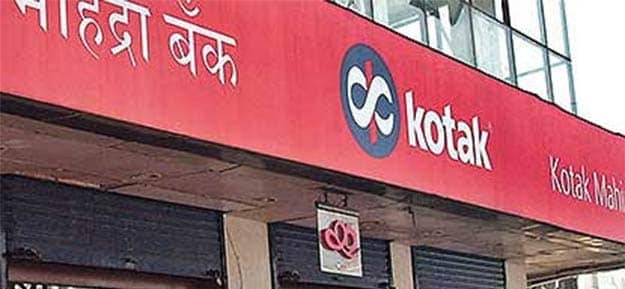
New Delhi: Kotak Mahindra Bank's proposed Rs 459-crore deal to acquire a 15 per cent stake in Multi Commodity Exchange (MCX) on Monday received approval of the Competition Commission of India (CCI), making the financial sector conglomerate a major player in exchange business.
According to the fair trade regulator, the proposed deal "is not likely to have an appreciable adverse effect on competition in India".
On July 20 this year, Jignesh Shah-led Financial Technologies India Ltd (FTIL) had announced that it has signed an agreement to sell 15 per cent in MCX to Kotak Mahindra Bank for Rs 459 crore.
As mandatory, Kotak had approached CCI for its approval on August 1, 2014.
In its order released on Monday, the commission observed that Kotak has 40 per cent equity interest in Ace Derivatives and Commodity Exchange (ACE) a national multi-commodity exchange.
This stake would have to further brought down to 15 per cent by the year 2019 in accordance with the revised norms by the Forward Market Commission (FMC), CCI noted.
Besides, the fair trade watchdog also said "that neither Kotak nor any of its subsidiaries, affiliates or joint venture, either directly or indirectly, has any investment in any other commodity exchanges in India".
As per the details in the CCI order, post combination Kotak would hold a 15 per cent non-controlling equity interest in MCX and as per the norms by FMC, the bank would not have any contractual right to appoint directors to the board of MCX, in proportion to its shareholding in the exchange.
FTIL originally held a 26 per cent stake in MCX. The Jignesh Shah-led company is divesting stake in MCX after commodity market regulator FMC had declared the company unfit to run any exchange in the wake of a Rs 5,600-crore payment crisis at group company National Spot Exchange Ltd (NSEL).
The regulator had asked FTIL to reduce its stake in MCX to 2 per cent from 26 per cent.
Before the Kotak deal, FTIL had sold a 6 per cent stake in MCX in two rounds for about Rs 220 crore, bringing down its shareholding to 20 per cent.
After the agreement with Kotak Mahindra bank to sell 15 per cent stake, FTIL would be left with 5 per cent stake in MCX.

-
One El Nino, India Can Handle. Two Could Break The Granary

India's grain stocks can absorb one bad year, but a second El Nino could drain the buffer in two to three years, economists say.
-
India's Troika Of Good Luck | Joining The Dots
As Jensen Huang's exit drags Nvidia down, a cooling AI trade and resilient earnings have revived investor interest in India. A likely RBI rate hike looms.
-
Talking Points This Week: Leadership Shock At Nvidia, Earnings Strength, And The Fog Over Hormuz
The Anthropic IPO pricing and first trading day, Nvidia's upcoming earnings, and any fresh signals from Iran will set the tone for the following week.
-
Signature Play: The Classic Cocktail Is Dead. Or Is It?
Classic cocktails are disappearing from India's cocktail menus. But they're still being ordered, taught to bartenders and borrowed from. So, who's really having the last drink?
-
A New Samvat Wishlist: Inclusive Prosperity And Human Development
India has strengthened its economic foundations through infrastructure, digital access and enterprise. Its next growth chapter must deepen productivity, create better livelihoods and widen participation in prosperity.
-
Love, Sex Aur Dhokha: The Audacious Plot To Spy On Jensen Huang
A Taipei dinner, a Singapore chip buyer and a suspected Chinese asset: inside the alleged spy operation that got close to NVIDIA's Jensen Huang.
-
Ten Things I Learnt This Samvat
Patience can be a trap. Cheap stocks can stay cheap. Leverage can wipe you out. What did Samvat 2082 teach us? Niraj Shah writes on 10 lessons from the year gone by.
-
Talking Points This Week: Tech Nerves, FII Buying, And A Faraway Banking Shock
The global markets are not shining this Diwali. The exception in the large markets is, India.
-
Midterm Rally Lasted A Day. The Hard Reality Of A Divided US May Last Two Years | Opinion
Between a contested AI boom, a debt ceiling that arrives in 2027 and a president with every incentive to act alone, the next two years may prove more volatile than the first day's rally suggests.
-
Blue Wave Will Derail the AI Trade but Won't Dismantle the AI Era | Unhedged Position
The Democrats' sweep of the US Congress will see politics collide with economic forces both over the long and short term.









