Facing Power Crisis, Kosovo Bans Cryptocurrency Mining
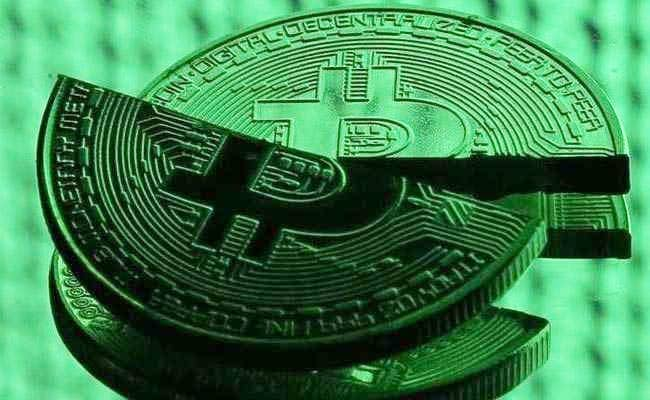
Kosovo's government on Tuesday introduced a ban on cryptocurrency mining in an attempt to curb electricity consumption as the country faces the worst energy crisis in a decade due to production outages.
"All law enforcement agencies will stop the production of this activity in cooperation with other relevant institutions that will identify the locations where there is cryptocurrency production," Economy and Energy Minister Artane Rizvanolli said in a statement.
Due to cheap power prices in Kosovo in recent years, many young people in Kosovo have got involved in crypto mining.
Faced with coal-fired power plant outages and high import prices authorities were forced last month to introduce power cuts.
European gas prices soared more than 30 per cent on Tuesday after low supplies from Russia reignited concerns about an energy crunch as colder weather approaches.
In December, Kosovo declared a state of emergency for 60 days which will allow the government to allocate more money to energy imports, introduce more power cuts and harsher measures.
One miner, who spoke on condition of anonymity and who has 40 GPUs (Graphics Processing Units), told Reuters he was paying around 170 euros per month for electricity and is getting around 2,400 euros per month in profit from mining.
Coin mining has been on the rise in northern Kosovo, mostly populated by Serbs who do not recognise the state of Kosovo and refuse to pay electricity.
The country of 1.8 million people is now importing more than 40% of its consumed energy with high demand during the winter when people use electricity mainly for heating.
Around 90% percent of energy production in Kosovo is from lignite, a soft coal that produces toxic pollution when burnt.
Official figures show Kosovo has the world's fifth largest lignite reserves of 12-14 billion tonnes.

-
One El Nino, India Can Handle. Two Could Break The Granary

India's grain stocks can absorb one bad year, but a second El Nino could drain the buffer in two to three years, economists say.
-
India's Troika Of Good Luck | Joining The Dots
As Jensen Huang's exit drags Nvidia down, a cooling AI trade and resilient earnings have revived investor interest in India. A likely RBI rate hike looms.
-
Talking Points This Week: Leadership Shock At Nvidia, Earnings Strength, And The Fog Over Hormuz
The Anthropic IPO pricing and first trading day, Nvidia's upcoming earnings, and any fresh signals from Iran will set the tone for the following week.
-
Signature Play: The Classic Cocktail Is Dead. Or Is It?
Classic cocktails are disappearing from India's cocktail menus. But they're still being ordered, taught to bartenders and borrowed from. So, who's really having the last drink?
-
A New Samvat Wishlist: Inclusive Prosperity And Human Development
India has strengthened its economic foundations through infrastructure, digital access and enterprise. Its next growth chapter must deepen productivity, create better livelihoods and widen participation in prosperity.
-
Love, Sex Aur Dhokha: The Audacious Plot To Spy On Jensen Huang
A Taipei dinner, a Singapore chip buyer and a suspected Chinese asset: inside the alleged spy operation that got close to NVIDIA's Jensen Huang.
-
Ten Things I Learnt This Samvat
Patience can be a trap. Cheap stocks can stay cheap. Leverage can wipe you out. What did Samvat 2082 teach us? Niraj Shah writes on 10 lessons from the year gone by.
-
Talking Points This Week: Tech Nerves, FII Buying, And A Faraway Banking Shock
The global markets are not shining this Diwali. The exception in the large markets is, India.
-
Midterm Rally Lasted A Day. The Hard Reality Of A Divided US May Last Two Years | Opinion
Between a contested AI boom, a debt ceiling that arrives in 2027 and a president with every incentive to act alone, the next two years may prove more volatile than the first day's rally suggests.
-
Blue Wave Will Derail the AI Trade but Won't Dismantle the AI Era | Unhedged Position
The Democrats' sweep of the US Congress will see politics collide with economic forces both over the long and short term.









