Extreme Weather Conditions Like El Nino May Impact Food Grain Production: Finance Ministry
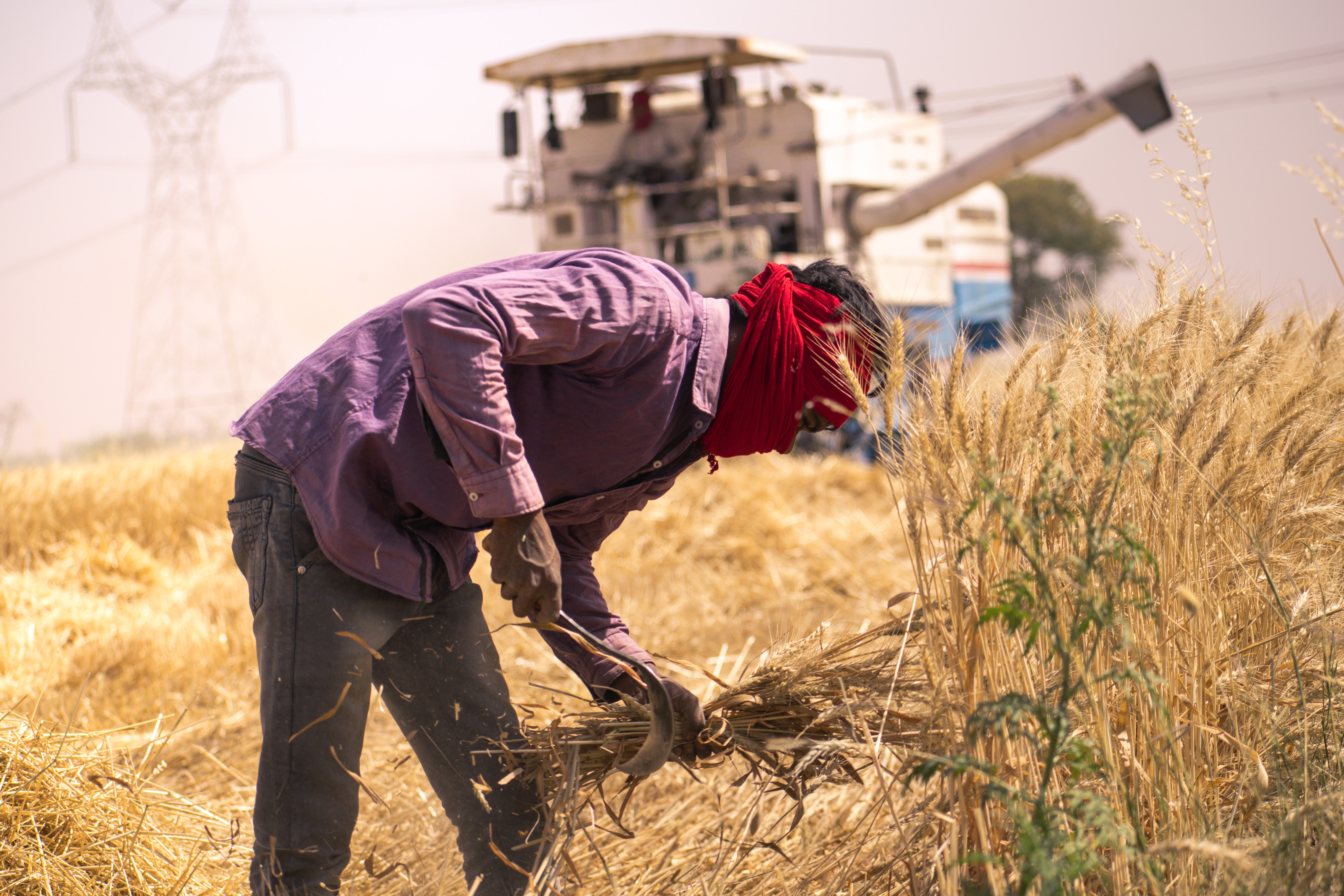
The risk of extreme weather events like El Nino loom large over inflation expectations and food grain production in the year to come, the central government has said.
The strong debt profile of the corporate sector is key in maintaining the macroeconomic stability of the economy, according to the government.
Moderation in oil prices and the recent fall in import-intensive consumption demand will reduce India's current account deficit in FY23 and FY24, according to the economic review for the month of February, released by the Department of Economic Affairs on Monday.
"This will provide a much-needed cushion to India's external sector at a time when the Fed is likely to raise rates further and ensure that India's external finances are not a major cause of concern," the ministry said.
What Ails The Inflation Trajectory?
According to the review, the inflation trajectory will be determined by three factors:
Extreme weather conditions like heatwaves and the possibility of an El Nino year.
The volatility in international commodity prices.
Pass-through of input costs to output prices.
What An 'El Nino Year' Means
There is a 60% probability of El Nino conditions this year, according to data from the National Oceanic and Atmospheric Administration. This translates to increased chances of deficient monsoon and the consequent impact on food grain production and inflation.
The ministry has also said that El Nino could adversely impact food grain production. An analysis of India-specific episodes of El Nino years since 1956 reveal that food grain production declined in 57% of those episodes, it said.
The review said that the government has taken proactive measures this year, based on the previous year's experience, including setting up a panel to protect wheat crops.
Departments and ministries are also expected to coordinate with the states and ensure sufficient water is supplied at reservoirs and dams for protective irrigation. Cheap availability of diesel and steady power supply to farmers for the smooth functioning of water pumps is also expected to be ensured by the government.
Other Factors Affecting Inflation
The global outlook of key commodity prices, such as crude oil and base metals, is expected to experience weakening global demand, which can result in declining commodity prices. "This is also evident in moderation in the prices of crude oil futures," the report said.
The ministry expects that the pass-through of input costs to output prices, especially in services, could continue to exert pressure on core inflation.
The wholesale price index in February eased to 3.85% from 4.73% in January, which the government hopes will soften input costs along with easing international commodity prices.
"Forecasts by various international agencies show that inflation will moderate in FY24 as compared with FY23 and is likely to remain in the range of 5-6%, with risks evenly balanced," the ministry said.
Corporate Sector Shows Strong Debt Profile
The Russia-Ukraine conflict and tightening of monetary policy have brought concern of corporate debt vulnerabilities back to the fore, the ministry said.
However, in the Indian context, the concerns are limited. "Currently, India's corporate sector credit-GDP ratio is also below its historical trend, implying sufficient space for the corporate sector to borrow further," the ministry said.
"The strong debt profile portrayed by corporates will prove to be critical in maintaining the macroeconomic stability of the economy going forward."

-
The Economic Imperative: Analysing The Material Driving Force Behind India-Canada Strategic Reset

This economic complementarity is further reinforced by deep institutional investment ties and talent mobility, which form the bedrock of the bilateral framework.
-
Medicine Pricing: Where Must Profit Stop?
India must confront excessive margins, hidden incentives and regulatory gaps that threaten the integrity of medicine.
-
Why Amazon And Flipkart Are Struggling To Beat Meesho In India's Smaller Cities
With 274 million users and lowest-cost logistics, Meesho is defending its value commerce crown against giants like Amazon and Flipkart.
-
High US Salaries, No Green Card Certainty: The Financial Calculation Facing Indian H-1B Families
The suspension of PERM processing at eight technology employers does not cancel existing H-1B visas. What it does is force a question many Indian families have been avoiding: is the US salary worth tying your career and family plans to one employer?
-
Swiggy vs Eternal: Food Delivery's Two Rivals Are No Longer In The Same Race
Eternal is building a private AI assistant, dark.ai. Swiggy is still working out how to make Instamart pay, with an operating loss of Rs 895 crore in the July-September quarter while Blinkit stayed profitable.
-
Where You Live Shapes How You Get To Work | The Reason Why
Two-wheelers are the most popular way to get to work in India, accounting for nearly 43% of workplace commutes.
-
Unhedged Position: Can India See An Indonesia-Style Time Correction?
The Nifty is trading below levels it first clocked in 2024. Is there, then, as I have suggested in the headline, potential that the current time correction drags on painfully for the next three-five, even ten years?
-
Navigating Friction And Energy Realities: An Analysis Of Marco Rubio's October Visit To India
Occurring at a critical juncture marked by stalled trade negotiations and escalating geopolitical pressures over global energy supplies, the visit offers a profound window into modern US-India relations.
-
India Exports Capital. Why Not Export Trusteeship?
The big question, then, is whether India can build an institution that global borrowers, investors, banks, and lawyers can trust, even without an Indian connection.
-
France's Economy & Politics Are In Crisis | The Reason Why
Let's look at how the French economy and politics evolved under Nicolas Sarkozy, Franois Hollande and Emmanuel Macron.










