Ex-Deutsche Bank Veteran Takes On 'Bad Boy' Of Banking
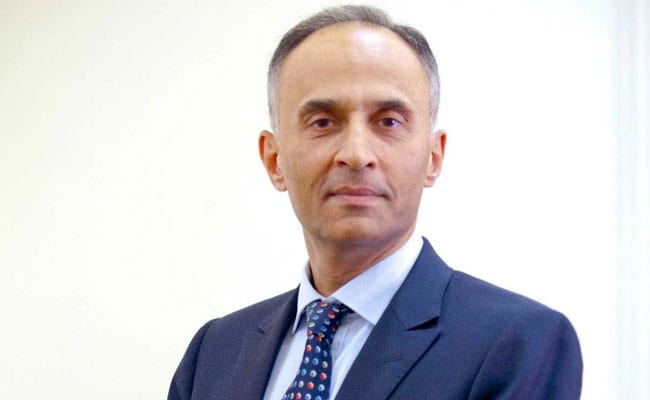
As Deutsche Bank AG veteran Ravneet Gill moves into the 27th floor of Yes Bank's headquarters in downtown Mumbai, he brings the curtain down on one of the more colorful chapters in finance.
His predecessor, founder and Chief Executive Officer Rana Kapoor, built Yes Bank into country's fourth-largest private lender over 15 years until the central bank forced him out amid a controversy over bad-debt accounting. While Mr Kapoor stepped aside as CEO in January, tensions between Yes and the regulator have persisted, and it now falls to Mr Gill to ease them.
Mr Gill, who takes the helm now, will have to walk a fine line. Repairing relations with the central bank will require reining in a culture that helped Yes Bank shares vastly outperform peers -- until they crashed last year, wiping out almost half of the bank's market value. They have since recovered some of that ground.

"Investors hope that Mr Gill, working with the board, will change the culture at Yes Bank and make it a transparent bank," said Shriram Subramanian, founder at InGovern Research Services, a corporate governance advisory firm. "Governance concerns at Yes Bank and the overhang of Rana Kapoor on the credibility of the bank would hopefully be laid to rest."
As Mr Gill moves to put his stamp on the bank, chances are its mercurial founder will be watching from the wings.
Initially, Mr Kapoor wanted to keep his office in Yes Bank's building in Mumbai's Lower Parel by transforming it into a founder's office, people familiar with the matter said. But some board members worried that Mr Kapoor would try to wield influence behind the scenes, the people said, asking not to be named discussing confidential deliberations.
Now, Mr Kapoor is considering moving out of the building and into an office at Yes Bank's old headquarters, they said, a 20-minute drive away.
Yes Bank and Mr Gill didn't respond to emails seeking comment, while Mr Kapoor didn't respond when emailed on his Yes Bank account and contacted by phone.
Grave Concern
The RBI never said publicly why it forced Mr Kapoor to step down. But, according to a Mint report at the time citing documents from the central bank, the RBI had pointed to a "poor compliance culture" and "grave concern and regulatory discomfort" with Mr Kapoor in rejecting a request to reappoint him.
Even when Yes Bank put to rest concerns about its bad loans, it landed in hot water with the RBI. After central bank audits found a bigger pile of non-performing debt than the lender had reported for the 2016 and 2017 financial years, Yes Bank said on February 13 that there were " nil divergences" for the year to March 2018, triggering its biggest one-day stock rally in 14 years.
Two days later the lender revealed that the central bank report had also identified several lapses and regulatory breaches in various areas of its operations. The criticism emerged only because the regulator censured Yes Bank for making a "deliberate attempt to mislead the public" by previously revealing only one positive element of the confidential report.
'Bad Boy'
"It is apparent that Yes Bank is the bad boy in the eyes of the regulator," independent banking analyst Hemindra Hazari, who has been tracking lenders for more than two decades, wrote in a February 18 report on the Smartkarma platform. "The bank will have to renew its efforts to change that perception," he wrote, noting that other lenders hadn't been publicly pulled up for similar disclosures.
Mr Kapoor brought a unique style to country's banking. He was skilled at identifying companies about to suffer financial stress and offering them loans at higher interest rates, according to Yuvraj Choudhary, an analyst at Anand Rathi Financial Services. The loans were backed by collateral so Yes Bank could be confident of getting its money back even when accounts were overdue, he said.
When companies struggled to repay, Mr Kapoor would pressure key executives and call founders into the night, people familiar with his methods said.
Under Mr Kapoor, total assets of the bank grew at a compound annual growth rate of 34 per cent in the 10 years through March 2018, outpacing peers.

But a crackdown by the central bank on a system-wide legacy of shoddy lending led to action against several lenders. Yes Bank has argued that the impact of its so-called bad-loan divergence was small because many loans classified as problematic by the RBI were subsequently recovered.
Compliance Focused
Mr Gill, who ran Deutsche Bank's country unit for more than six years, joins Yes Bank with a reputation for being conservative in taking risks and focusing on processes and regulations, according to people who have worked with him.
He has already reached out to executives at other lenders as he moves to revamp the leadership team, people with knowledge of the matter said. One role that immediately needs filling is that of Pralay Mondal -- hired in 2012 to boost retail lending and build low-cost checking accounts -- who quit last month.
Sins Forgotten
Investors will soon get a measure of Mr Gill as some analysts expect Yes Bank to sell shares so it can buttress its capital reserves to sustain growth. The bank's tier 1 common equity ratio was at 9.1 per cent at the end of last year, the lowest among its major private-sector peers.
With non-performing loan data from the bank no longer in question, the lender may be able to make a "more rapid return to market," according to a Citigroup Inc. report last month. The optimism is reflected in 36 buy recommendations for Yes Bank among analysts tracked by Bloomberg, the highest proportion since September for such calls.

"What has gone wrong is only the perception of the management," said Chokkalingam G, head of research at Equinomics Research & Advisory Pvt. Ltd. "If Gill can ensure quality of assets doesn't drop badly and business continues to grow the way it is growing, the remaining things will be forgotten."

-
We May Need Another Tukaram Mundhe To Fight Air Pollution | The Reason Why

Developers may install basic measures such as sprinklers and green nets, resume work, and continue violating rules when this equipment stops working.
-
Extracting Value From Battery Scrap Could Be Challenging For India | The Reason Why
A discarded lithium-ion battery still contains valuable materials such as lithium, nickel and cobalt. These can be recovered and reused. When such batteries are crushed and shredded, they produce a dark powder called black mass.
-
One El Nino, India Can Handle. Two Could Break The Granary
India's grain stocks can absorb one bad year, but a second El Nino could drain the buffer in two to three years, economists say.
-
India's Troika Of Good Luck | Joining The Dots
As Jensen Huang's exit drags Nvidia down, a cooling AI trade and resilient earnings have revived investor interest in India. A likely RBI rate hike looms.
-
Talking Points This Week: Leadership Shock At Nvidia, Earnings Strength, And The Fog Over Hormuz
The Anthropic IPO pricing and first trading day, Nvidia's upcoming earnings, and any fresh signals from Iran will set the tone for the following week.
-
Signature Play: The Classic Cocktail Is Dead. Or Is It?
Classic cocktails are disappearing from India's cocktail menus. But they're still being ordered, taught to bartenders and borrowed from. So, who's really having the last drink?
-
A New Samvat Wishlist: Inclusive Prosperity And Human Development
India has strengthened its economic foundations through infrastructure, digital access and enterprise. Its next growth chapter must deepen productivity, create better livelihoods and widen participation in prosperity.
-
Love, Sex Aur Dhokha: The Audacious Plot To Spy On Jensen Huang
A Taipei dinner, a Singapore chip buyer and a suspected Chinese asset: inside the alleged spy operation that got close to NVIDIA's Jensen Huang.
-
Ten Things I Learnt This Samvat
Patience can be a trap. Cheap stocks can stay cheap. Leverage can wipe you out. What did Samvat 2082 teach us? Niraj Shah writes on 10 lessons from the year gone by.
-
Talking Points This Week: Tech Nerves, FII Buying, And A Faraway Banking Shock
The global markets are not shining this Diwali. The exception in the large markets is, India.









