Even Hallmarked Gold Jewellery in India Vary in Purity: WGC
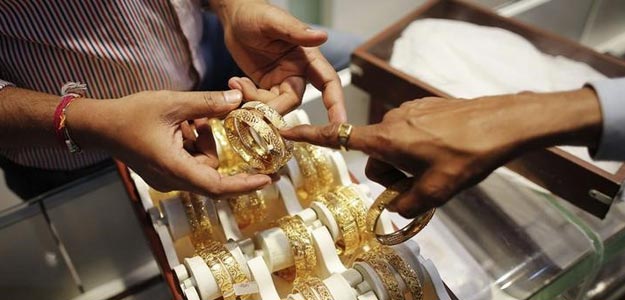
It may come as a shock to some, but even gold jewellery that has Hallmark certification vary
in purity, the World Gold Council (WGC) today said while calling for urgent steps to improve quality standards in the world's largest gold consuming nation.
The improvements to the hallmarking system in India are not only essential to a successful gold monetisation scheme but also help to boost the country's gold jewellery exports from the existing $8 billion to $40 billion in the next five years, it said.
The hallmarking of gold, which is voluntary in nature at present, is a purity certification of the precious metal. The Bureau of Indian Standards (BIS), under the Consumer Affairs Ministry, is the administrative authority of hallmarking.
"Even though, 30 per cent of jewellery is now hallmarked, there are concerns about the quality and credibility of some hallmarking centres. This means the percentage of jewellery hallmarked accurately is expected to be even lower than 30 per cent," WGC said in a report.
Even hallmarked items vary widely in purity because of weak quality control and lack of resources on the part of BIS to enforce its policies, it said.
Though under-caratage in gold has reduced to 10-15 per cent from 40 per cent since the introduction of BIS hallmarking in 2000, but challenges still remain, it added.
WGC India Managing Director Somasundaram P R said: "Hallmarking is not mandatory and consumer awareness is limited so jewellers are neither obliged or incentivised to become certified. Moreover, hallmarked and non-hallmarked items are sold in same outlet."
He said that operationally, many hallmarking centres suffer from lower profitability, poor equipment and slack processes. "Hallmarking centres need to operate at a minimum of 50 per cent capacity just to break even at the BIS stipulated price of Rs 25 per piece. Many cannot achieve this
target and so they resort to price cutting and malpractice."
"And from supervisory perspective, the BIS is not adequately staffed to fulfil is role effectively," he added.
According to the WGC report, the BIS does not have dedicated laboratories for gold hallmarking so there is little capacity for testing jewellery. There are relatively few BIS branches too, so activity varies widely across India.
India has approximately 220 BIS recognised assaying and hallmarking centres and maximum of them are located in Tamil Nadu (57), followed by Kerala (39). The distribution of these centres is uneven as South has 153 centres, the North has 111 and the West has 65, the report said.
Suggesting ways to strengthen hallmarking system in India WGC said, "The BIS would need substantial extra resource to be able to enforce its policies effectively, drive hallmarking across India and increase confidence in Indian hallmarked items nationally and overseas."
India consumes 800-1000 tonnes of gold annually, of which almost entire quantity is imported. In short- and medium-term, the WGC suggested that there is a need to improve consumer understanding of the benefits of hallmarking via a well-planned customer awareness programme.
"Many consumers are unaware of BIS hallmarking, particularly those living in rural areas. Even among educated consumers, only half are interested in or use BIS hallmarks," it said, adding that increased awareness will drive penetration and encourage best practice.
WGC also recommended promotion of targeted opening of hallmarking centres by giving tax breaks and other incentives in some areas of under-supply, and develop a ratings system for jewellers, initiate pilot BIS unique identity scheme and other technology solutions to support hallmarking.
That apart, the WGC suggested India to pursue membership of the international hallmarking convention or develop an alternative to boost export/import of gold jewellery without testing for purity.
In the long-term, WGC pitched for a mandatory hallmarking regime over the next four-five years on the lines of the UK.
The UK has only four assay offices but overall penetration of hallmarking is high because it is mandatory on all jewellery above a gram.

-
AI Bias In Investing Cannot Be Eliminated, But It Can Be Governed

Framing is a particularly important example as identical financial information presented in terms of gains rather than losses can lead an LLM to reach a different assessment.
-
Joining The Dots | Dark Skies, Steady Diya: Why Hope Holds This Diwali
With war, a weak rupee and foreign outflows weighing on sentiment, policymakers at the NDTV World Summit and market veterans at NDTV Profit Ignite: Diwali Edition offered the same advice: stay invested and filter out the noise.
-
The Curious Case of Equitas Small Finance Bank And A CEO Who Quit For Stock
PN Vasudevan believes persistent investor concerns over a perceived conflict of interest had become a governance overhang on Equitas Small Finance Bank's stock, even as the lender improved profitability and asset quality.
-
Talking Points This Week: AI Cash Burn, A Tiger Comeback And An India That Still Finds Its Own Path
India is not immune to higher oil or tighter global liquidity, yet its earnings base is broader, its domestic policy levers are still available.
-
Foreign Investors Own Half Of HDFC Bank and ICICI Bank. An LTCG Cut Could Matter Most Here
Foreign portfolio investors have US$115 billion parked in HDFC Bank, ICICI Bank. If the government cuts long-term capital gains tax, Jefferies says returning foreign money could land here first.
-
'Never Seen This Level Of Negativity': Sandeep Tandon Says The Next Rally May Be Closer Than You Think
Veteran investor Sandeep Tandon says foreign selling is easing, large-caps are due a comeback and mid-caps are crowded, while he turns positive on gold, power and pharma this Diwali.
-
Indians Stay With Family, Not In Hotels | The Reason Why
India still lacks enough clean, reliable and affordable hotels for budget-conscious travellers.
-
The Economic Imperative: Analysing The Material Driving Force Behind India-Canada Strategic Reset
This economic complementarity is further reinforced by deep institutional investment ties and talent mobility, which form the bedrock of the bilateral framework.
-
Medicine Pricing: Where Must Profit Stop?
India must confront excessive margins, hidden incentives and regulatory gaps that threaten the integrity of medicine.
-
Why Amazon And Flipkart Are Struggling To Beat Meesho In India's Smaller Cities
With 274 million users and lowest-cost logistics, Meesho is defending its value commerce crown against giants like Amazon and Flipkart.










