Essel Group: Subhash Chandra To Lose Control Of Flagship Zee Entertainment
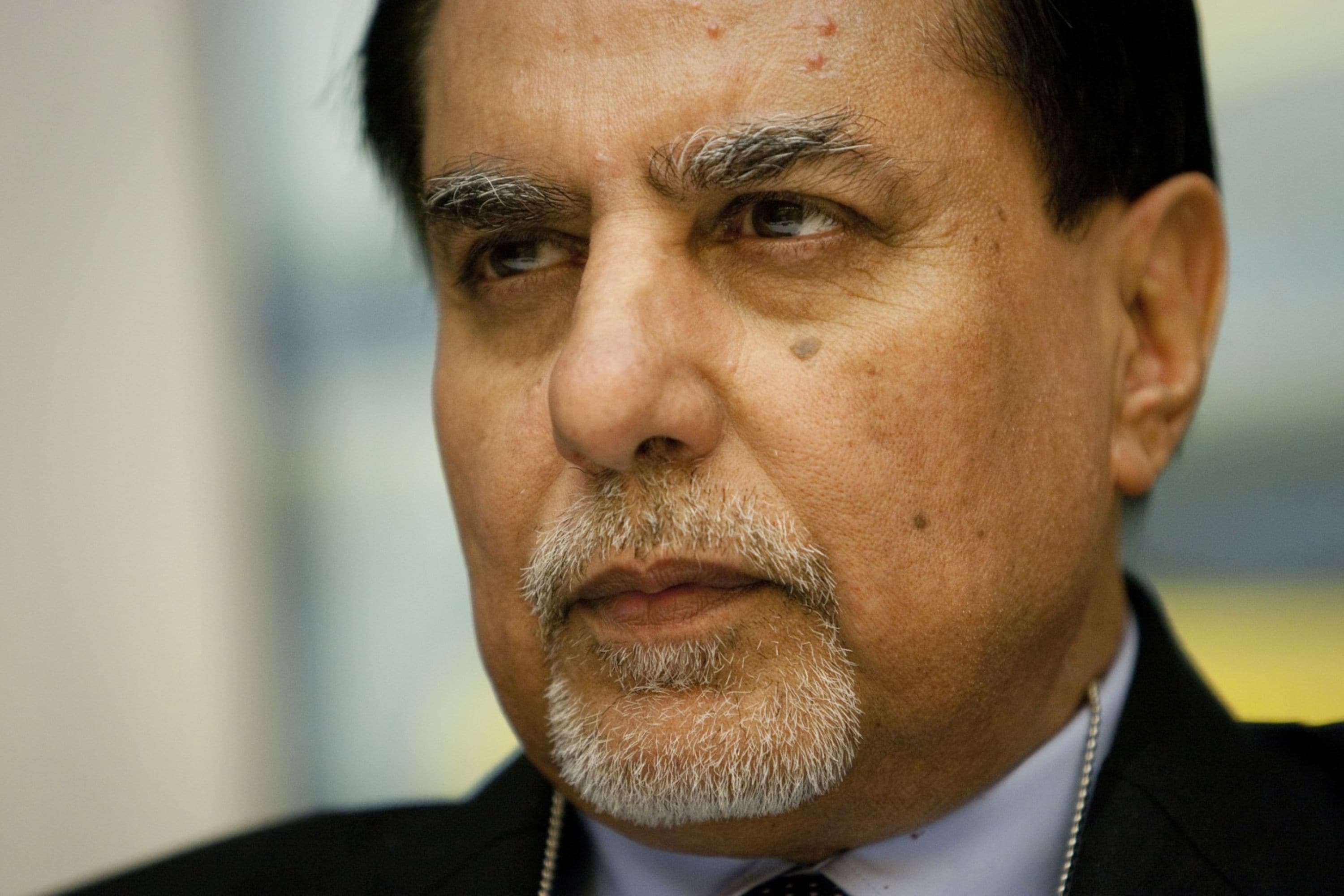
In a second effort to raise funds to pay off debt, Subhash Chandra-led Essel Group, the promoter of Zee Entertainment Enterprises Ltd., will sell 16.5 percent shareholding in the media major to financial investors.
After this transaction, the promoter stake in Zee Entertainment will stand reduced to 5 percent, said a company statement. Though Chandra's son Puneet Goenka remains managing director and chief executive officer and his term, that was to end on Dec. 31, recently received in-principle approval from the company board for a five-year extension. It's not clear if that will change with new investors coming aboard.
Key Highlights Of Stake Sale
- Essel Group to sell up to 16.5 percent stake In Zee Entertainment to financial investors.
- To repay loan obligations to certain lenders of the group for whose benefit such shares are currently encumbered.
- Essel Group seeks to sell 2.3 percent stake in Zee Entertainment to OFI Global China Fund and its affiliates.
- Post-transaction, overall promoter holdings in Zee Entertainment will be 5 percent, out of which encumbered holdings of the group will reduce to 1.1 percent.
- Essel Group working actively on further divestments including its media/non-media assets.
Earlier this year, Essel Group sold up to 11 percent in Zee Entertainment to Invesco Oppenheimer Developing Markets Fund for Rs 4,224 crore. At the time, Invesco already owned 7.74 percent stake in Zee Entertainment.
Thereafter, the promoter held 22.37 percent stake in Zee Entertainment, according to September-end exchange data. Of that, 96 percent was encumbered with domestic mutual funds, financial institutions and foreign lenders. This includes the 10.7 percent stake pledged with Russian lender VTB.
The divestments of promoter stake in its flagship company, as well as pending sale of some infrastructure assets, were prompted by large debt taken by Essel Group entities—a 2018 BloombergQuint investigation had estimated it at Rs 17,000 crore. The group had pledged shares of its listed companies in order to raise this debt.
Close to Rs 11,000 crore of this debt was owed to asset managers and non-bank financial companies. Essel Group repaid half the amount via the stake sale to Invesco Oppenheimer. As of the beginning of this month, total promoter debt obligation stood at Rs 7,000 crore, of which Rs 5,000 crore is owed to domestic lenders.
Depending on the final list of buyers and the shares they purchase in this second divestment, the promoter's 5 percent stake in Zee will be the second-largest after Invesco's over 18 percent.
WATCH | Sudip Bandyopadhyay of Inditrade Capital on Zee stake sale

-
Gold Is Rs 22,000 Cheaper Than A Month Ago. Should You Buy Amid The Wedding Season?

Gold's potential slide to $3,500 could save around Rs 4,700 per 10 grams, but a soft inflation print could just as easily push prices back up. One way to split the risk is to buy in parts, some now and the rest after the Fed's Dec. 9 decision.
-
AI Agents Are Gaining Power. Who Governs Them?
Artificial intelligence agents promise to transform productivity by moving machines from assisting decisions to executing them. But as organisations delegate greater authority to these AI-agents, they must first establish who controls that authority and who remains accountable when things go wrong.
-
Why Swapping Your Old Gold Can Trigger A Rs 5 Lakh Tax Bill, And How You Can Avoid It Legally
Swapping old gold for new is taxed as a sale and a fresh purchase. Getting your own gold remade can cut most of that bill, though it has its own costs.
-
The AI Trade is Done. The Real Opportunity for Investors Starts in 2027 | Unhedged Position
As pureplay AI stocks plunge and circular, capex-led financing unwinds, 2027 is set to be a year of reckoning for AI companies. Yet the bust clears the way for a better opportunity for investors in 2027 -- shifting the spotlight from AI builders to the companies using AI.
-
Leadership As Mission: Why The Age Of AI Demands More Human Leadership
Debjani Ghosh examines how AI is changing leadership, arguing that its success must be measured by its impact on people and the accountability of those guiding its use.
-
We May Need Another Tukaram Mundhe To Fight Air Pollution | The Reason Why
Developers may install basic measures such as sprinklers and green nets, resume work, and continue violating rules when this equipment stops working.
-
Extracting Value From Battery Scrap Could Be Challenging For India | The Reason Why
A discarded lithium-ion battery still contains valuable materials such as lithium, nickel and cobalt. These can be recovered and reused. When such batteries are crushed and shredded, they produce a dark powder called black mass.
-
One El Nino, India Can Handle. Two Could Break The Granary
India's grain stocks can absorb one bad year, but a second El Nino could drain the buffer in two to three years, economists say.
-
India's Troika Of Good Luck | Joining The Dots
As Jensen Huang's exit drags Nvidia down, a cooling AI trade and resilient earnings have revived investor interest in India. A likely RBI rate hike looms.
-
Talking Points This Week: Leadership Shock At Nvidia, Earnings Strength, And The Fog Over Hormuz
The Anthropic IPO pricing and first trading day, Nvidia's upcoming earnings, and any fresh signals from Iran will set the tone for the following week.









