The Mysterious Indian-Origin Tycoon Behind $1.2 Billion Bid To Save Yes Bank
Erwin Singh Braich, the mysterious tycoon behind a $1.2 billion bid to rescue a beleaguered Indian bank, says he is Canada's richest man with a story so fabulous that Netflix Inc. wants to tell it.
There's a less glittering account pieced together from interviews and court records: The son of a lumber baron has a history including bankruptcy, lawsuits and soured business deals. He has no headquarters, no banker to manage his money, and is currently living in a three-star motel in the Canadian prairies.
The board of Yes Bank Ltd. will decide on Tuesday which version of Mr Braich it supports at a meeting to approve a $2 billion preferential share sale, 60 per cent of which would be taken up by Mr Braich and his partner, Hong Kong-based SPGP Holdings. As Bloomberg News reported Monday, India's fourth-largest private lender is likely to reject the offer from Mr Braich and SPGP, opting instead for institutional investors, according to a person familiar with the matter.
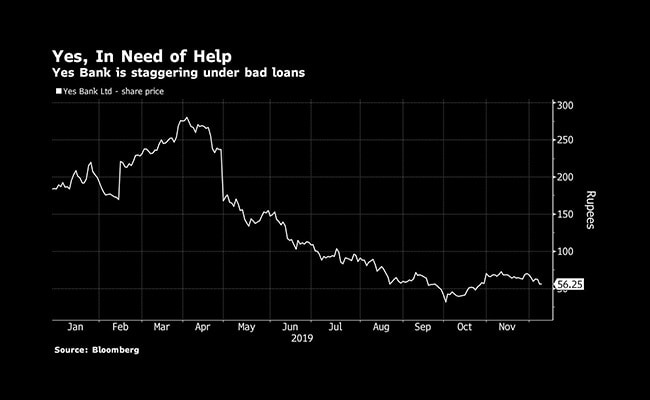
At stake is the future of the Mumbai-based bank that's staggering under the weight of its bad loans, including to some of the non-bank lenders caught up in India's shadow banking crisis. Yes Bank desperately needs the cash injection to replenish its core equity capital, which is barely above the regulatory minimum of 8 per cent. The stock has plunged 69 per cent this year, reducing its market value to Rs 14,300 crore ($2 billion).
Mr Braich says he has the money for the investment and has provided documentation to Yes Bank's Chief Executive Officer Ravneet Gill on his ability to pay. Yes Bank didn't respond to an email seeking comment about Mr Braich and his bid.
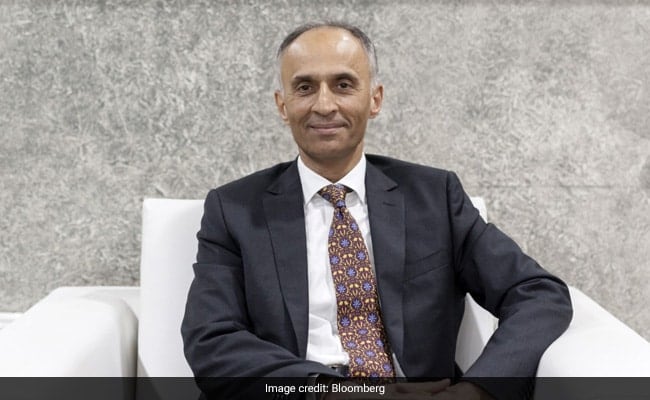
"I've been under the radar," Mr Braich, 63, said in a phone interview last week. "We have a lot of different holdings and assets that people don't know about." The funds will be in escrow by the time Yes Bank shareholders meet this month to approve the capital raising, he added.
"I don't think Mr. Gill is a stupid man," Mr Braich said, adding "a lot of skepticism will be erased" surrounding his bid.
Yet there are plenty of signs from Mr Braich's past that some skepticism may be warranted. For two decades, he has been mired in dozens of lawsuits with family members, creditors and business associates, according to Canadian and US court records.
In one case, he pitched two investors on a plan to buy scrap metal from the Democratic Republic of Congo, telling them he had a multimillion dollar commodity trading business, according to a 2008 lawsuit filed in New York.
Congo Deal
The investors, Roger and Punit Menda, sued him and four others for defrauding them of $340,000, saying Mr Braich lied about the metal contracts and "did not possess the personal wealth he claimed to and was, in fact, without any personal assets," according to the filing. Mr Braich failed to respond to the complaint or appear in court, according to a default judgment ordering the money be repaid with interest.
Mr Braich called the lawsuit "so stupid and frivolous we didn't even bother to defend it." He said he didn't pay the judgment but might offer to pay the Mendas back because he feelsbadly they missed out on an opportunity.
Robin Phinney, former president of Canadian potash developer Karnalyte Resources Inc., says he met Mr Braich several times in 2015 when Mr Braich said he was ready to fund a roughly C$2 billion ($1.5 billion) mining facility.
Mr Braich jumped the gun with a news release that said his group was set to take control of Karnalyte and would make an "immediate equity injection" of nearly C$200 million. The company responded by saying the proposal wasn't binding and hadn't been accepted by the board.
The deal never happened, and Phinney said Karnalyte was unable to ascertain if Mr Braich had the funding he claimed. "Everything looks wonderful until you have to show up with the check," he said. "I still don't know if he had any money or not."
Skeptical Analysts
Mr Braich says he had a binding bid with Karnalyte but "they screwed me" and allowed another investor from Gujarat to push him out.
Several analysts have expressed skepticism about the potential new investors in Yes Bank. The lender's shares dropped 18 per cent in the week after the names were announced on November 29, including Mr Braich, SPGP and Citax Holdings Ltd. (Mr Braich says he has no affiliation with Citax.)
"We have serious reservations regarding the quality of board of directors who are willing to consider these kinds of investors to be large shareholders," Suresh Ganapathy, an analyst at Macquarie Capital Securities (India) Pvt., wrote in a note.
Mr Braich grew up in Mission, British Columbia, 70 kilometers (44 miles) southeast of Vancouver, the eldest of six children in a Sikh family originally from Punjab. His father Herman was a pillar of the local Indo-Canadian community who'd left India at the age of 14 -- taking little but the name of his tiny village, Mr Braich -- and built a fortune in British Columbia's forestry industry. The patriarch died in 1976.
Father's Trustee
"The reason I've had so much litigation was because I was a trustee for my father's estate," said Mr Braich. Those headaches include a 1999 involuntary bankruptcy he said was orchestrated by opponents, including his brother. Bobby Braich, reached by phone, said he's been estranged from his brother for 20 years and declined to comment further.
The bankruptcy remains undischarged with more than C$13 million in total liabilities, according to Canadian bankruptcy records. Mr Braich was arrested and prosecuted after refusing to provide records of his assets or appear in court, the Public Prosecution Service of Canada said in an email.
Mr Braich said he always had assets and has repaid his debts with interest. He holds all his wealth in his children's five trusts, which he controls as sole trustee, to keep them out of the reach of disgruntled family members and unscrupulous lawsuits, he added.
He hasn't owned a home since the 1990s, choosing to live and work out of hotel rooms around the world from Ritz-Carltons to Kempinskis to Travelodges, he said.
Right now, it's the three-star Sandman Hotel in Grande Prairie, Alberta, which Mr Braich said he chose for its in-house Denny's restaurant. He's been undergoing dental work ahead of what he says are upcoming TV appearances with Stephen Colbert and Oprah Winfrey.
TV Series
"A bunch of the major networks want to have me go on a talk show tour," Mr Braich said by phone, a day after a three-hour, 25-minute stint in the dentist's chair. "I'm going to get my teeth done so they're like Chiclets."
Then there's Netflix and Amazon.com Inc., which want to do a four-season series on him and his father, Mr Braich said.
The Oprah Winfrey Network said none of its producers are familiar with his name. CBS Entertainment said it doesn't comment on Colbert's bookings. Netflix and Amazon didn't respond to requests for comment.
To support the Yes Bank bid, Mr Braich's trusts and SPGP have various assets including Black Pearl Investments, a jointly owned Hong Kong company capitalized with about $200 million, he said. The partnership with SPGP is developing everything from retirement villages in the Philippines and Thailand to nitrogen-preserved tea in Sri Lanka through SPGP's sister company Silverdale Services Ltd., he said.
Due Diligence
As of May, Silverdale Services's total equity capital was HK$100,000 ($12,800), according to records from Hong Kong's companies registry. A Hong Kong-registered company named Black Pearl Investments had HK$1 in paid-up capital the last time it filed an annual return in November 2017.
SPGP's CEO Somitra Agrawal, contacted via LinkedIn, referred questions on his firm's investment plans to Mr Braich.
Mr Braich said his rationale for investing in Yes Bank was simple:
"I loved the logo and I had my people do the due diligence very deeply," he said. "If it was called 'No Bank,' I wouldn't have been interested."

-
Getting To Work Costs Women More | The Reason Why

It is not just about women paying more than men. It is about women paying much more in cities than in villages.
-
AI Bias In Investing Cannot Be Eliminated, But It Can Be Governed
Framing is a particularly important example as identical financial information presented in terms of gains rather than losses can lead an LLM to reach a different assessment.
-
Joining The Dots | Dark Skies, Steady Diya: Why Hope Holds This Diwali
With war, a weak rupee and foreign outflows weighing on sentiment, policymakers at the NDTV World Summit and market veterans at NDTV Profit Ignite: Diwali Edition offered the same advice: stay invested and filter out the noise.
-
The Curious Case of Equitas Small Finance Bank And A CEO Who Quit For Stock
PN Vasudevan believes persistent investor concerns over a perceived conflict of interest had become a governance overhang on Equitas Small Finance Bank's stock, even as the lender improved profitability and asset quality.
-
Talking Points This Week: AI Cash Burn, A Tiger Comeback And An India That Still Finds Its Own Path
India is not immune to higher oil or tighter global liquidity, yet its earnings base is broader, its domestic policy levers are still available.
-
Foreign Investors Own Half Of HDFC Bank and ICICI Bank. An LTCG Cut Could Matter Most Here
Foreign portfolio investors have US$115 billion parked in HDFC Bank, ICICI Bank. If the government cuts long-term capital gains tax, Jefferies says returning foreign money could land here first.
-
'Never Seen This Level Of Negativity': Sandeep Tandon Says The Next Rally May Be Closer Than You Think
Veteran investor Sandeep Tandon says foreign selling is easing, large-caps are due a comeback and mid-caps are crowded, while he turns positive on gold, power and pharma this Diwali.
-
Indians Stay With Family, Not In Hotels | The Reason Why
India still lacks enough clean, reliable and affordable hotels for budget-conscious travellers.
-
The Economic Imperative: Analysing The Material Driving Force Behind India-Canada Strategic Reset
This economic complementarity is further reinforced by deep institutional investment ties and talent mobility, which form the bedrock of the bilateral framework.
-
Medicine Pricing: Where Must Profit Stop?
India must confront excessive margins, hidden incentives and regulatory gaps that threaten the integrity of medicine.










