Electric Two-Wheeler Sales Hit New Highs In 2024
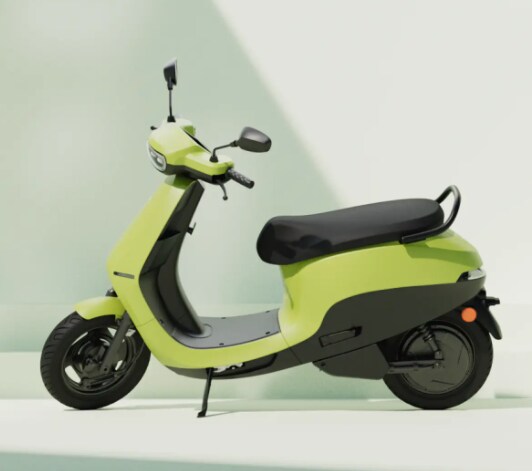
The sales of electric two-wheelers reached an all-time high in FY24, following the trend of record sales in the past three years.
Cumulative sales of electric two-wheelers stood at 9,44,400 units during the fiscal. Ola Electric, TVS Motors Co., Ather Energy Pvt. and Bajaj Auto Ltd. were the top contributors in the segment.
Here's a look at the sales figures of some players and what lies ahead:
Ola Electric
The company sold 3,26,589 vehicles in FY24— more than double from the previous fiscal. It has roughly 35% of market share and is the leader in the electric two-wheeler space.
The company has been a key beneficiary of the Production-linked incentive scheme, which has helped it get an edge over its peers on final pricing for consumers. It received its second PLI benefit for achieving the domestic localisation target, which essentially means sourcing the components locally.
Ola Electric has a manufacturing capacity of 10 lakh scooters in Tamil Nadu, which the company is looking to double soon.
New launches as well as any effect of reduced incentives as part of a new scheme is a key monitorable.
TVS Motors
TVS Motors's electric two-wheeler sales grew 123% to 1,82,986 units in FY24.
The company started out as the number five player in the segment, but thanks to strong products in I-Qube and distribution, it has become the number two player, with 19% market share.
The company sold an average of 5,000 vehicles at the start of FY24, according to its exchange filing, and gradually increased the monthly run rate to achieve this growth. It compares with 80,000 vehicles sold in FY23.
It recently launched the TVS X Smart, which is a premium electric scooter, priced at Rs 2.5 lakh. It expects multiple launches in the new fiscal, it said in its earnings conference call.
Ather Energy
Ather sold 1,08,889 vehicles in FY24—a 42% rise, as compared with last year.
The company's sales growth has paled in comparison to other players, especially its private market peer Ola, while legacy automakers like TVS and Bajaj are now competing head-on with it.
While its market share has risen by 1%, it is largely competing with players like Ampere and Hero Electric (Hero Motocorp Ltd. is a different company from it), which are struggling to even maintain their last-year sales.
With the new Electric Mobility Promotion Scheme being a lower-subsidy one, as compared with the erstwhile FAME 2 Scheme, it will need to fight the hardest to grow in FY25.
Bajaj Auto
Bajaj Auto's launch of the Chetak brand bode well for sales, which tripled growing 273% to 1,06,507 units in FY24.
Its market share has risen to 11% from 4% last year. New launches in this space will be key for the company, as it only has the Chetak brand in the electric two-wheeler space.
New EMPS Scheme
The new Electric Mobility Promotion Scheme 2024 offers half of the direct subsidy, capping it at a fixed sum for consumers.
While the ending of FAME 2 did boost the month-end sales of all players, it would be worth noting if the lower incentives affect sales.
Cheaper batteries for companies have brought down prices since the start of the year, with Ola Electric and Ather Energy cutting prices by up to Rs 20,000 on select models.
Outlook
Apart from the new EMPS Scheme, it would also be worth noting how other peers fare against the market leaders.
Players like Okinawa and Ampere have reported sales drop of more than 70% as compared with last year. Legacy player Hero Motocorp, with its product Vida, has fared well and sold 17,695 two-wheelers—a 1,780% growth, albeit on a lower base last year. Compared to other legacy players, the company has been slower in the electric two-wheeler segment.

-
Talking Points This Week: Leadership Shock At Nvidia, Earnings Strength, And The Fog Over Hormuz

The Anthropic IPO pricing and first trading day, Nvidia's upcoming earnings, and any fresh signals from Iran will set the tone for the following week.
-
Signature Play: The Classic Cocktail Is Dead. Or Is It?
Classic cocktails are disappearing from India's cocktail menus. But they're still being ordered, taught to bartenders and borrowed from. So, who's really having the last drink?
-
A New Samvat Wishlist: Inclusive Prosperity And Human Development
India has strengthened its economic foundations through infrastructure, digital access and enterprise. Its next growth chapter must deepen productivity, create better livelihoods and widen participation in prosperity.
-
Love, Sex Aur Dhokha: The Audacious Plot To Spy On Jensen Huang
A Taipei dinner, a Singapore chip buyer and a suspected Chinese asset: inside the alleged spy operation that got close to NVIDIA's Jensen Huang.
-
Ten Things I Learnt This Samvat
Patience can be a trap. Cheap stocks can stay cheap. Leverage can wipe you out. What did Samvat 2082 teach us? Niraj Shah writes on 10 lessons from the year gone by.
-
Talking Points This Week: Tech Nerves, FII Buying, And A Faraway Banking Shock
The global markets are not shining this Diwali. The exception in the large markets is, India.
-
Midterm Rally Lasted A Day. The Hard Reality Of A Divided US May Last Two Years | Opinion
Between a contested AI boom, a debt ceiling that arrives in 2027 and a president with every incentive to act alone, the next two years may prove more volatile than the first day's rally suggests.
-
Blue Wave Will Derail the AI Trade but Won't Dismantle the AI Era | Unhedged Position
The Democrats' sweep of the US Congress will see politics collide with economic forces both over the long and short term.
-
It's Time To Take The GST Council's Bet On Trust Global
Payment records can prove India's services exports, and clear, proportionate rules can bring foreign digital sellers into the tax net.
-
Opinion | India at 38: From Innovation Overperformer to Innovation Powerhouse
India now has 453 VC-backed deep science startups, 18 of them late-stage, after 117 percent growth since 2020. Laurus Labs, at USD 9.3 billion, is the most valuable deep science company in any middle-income economy outside China.









