Electric Cars Run Over OPEC in New Existential Crisis
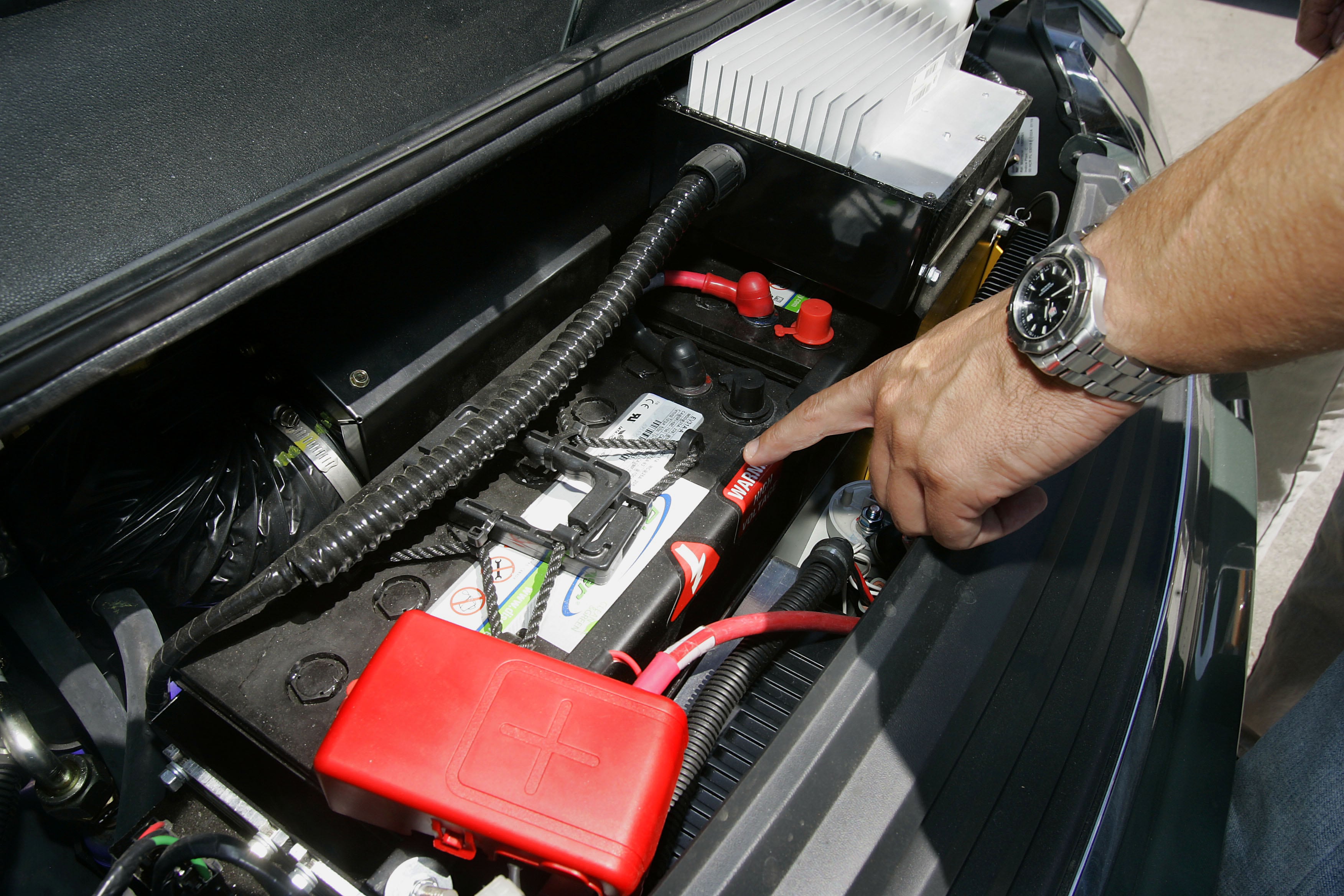
(Bloomberg Gadfly) -- You wait decades for an existential crisis, then two come along at once. At least that's how it must feel for OPEC's beleaguered ministers. In the short term the market for their oil is being eroded by rising production outside their control. Looking further ahead, oil demand itself is under threat from the electrification of road transport. OPEC may not yet be dead, but its days are surely numbered.
The most obvious short-term threat to the group comes from the rapid rise in U.S. shale oil, but the risks have expanded to include other areas like Brazil's prolific sub-salt discoveries and more recent finds further north along the east coast of South America.
An increasing volume of U.S. crude is finding its way to markets in Asia that used to be the preserve of the group's Middle Eastern powerhouses. China was the biggest foreign buyer of U.S. crude in April -- the most recent month for which EIA data are available -- overtaking Canada for the second time this year. And Indian refiners are finding an appetite for heavier U.S. grades that compete directly with Middle Eastern crudes. This is a particular worry for OPEC producers whose initial output cuts were said to target buyers in Europe and the Americas while sales to key customers in Asia were to remain untouched.
Add to this that there's been little letup in U.S. oil production. The American surge began late last year, just as OPEC ministers were edging toward a deal to cut output after a two-year production free-for-all that saw WTI crude fall to little more than $26 a barrel. This shows little sign of running out of steam -- output from the Lower 48 states, which includes offshore activity in the Gulf of Mexico, edged above 9 million barrels a day in the third week of July, its highest level for almost two years, according to weekly data from the Energy Information Administration.
The group's short-term worry is that any rise in crude prices above $50 a barrel will simply allow competing shale companies to hedge more of their future production and unleash another surge in output. This makes it almost impossible for them to engineer the price recovery they desire.
Outside the shale patch, big oil is learning to live with lower prices again. Royal Dutch Shell Plc "is getting fit for the $40s," Chief Executive Officer Ben van Beurden said on Thursday's second-quarter earnings call, after the company released results showing that it generated almost as much cash from its operations last quarter with crude around $50 a barrel as it did when it was above $100. These companies may be getting fit, but the budgets of the OPEC countries certainly aren't. They haven't made the cuts they need to survive if prices persist at that level.
Van Beurden also articulated the second existential threat, when he said in an interview with Bloomberg TV not only that his next car would be electric, but that he could see demand for liquid fuels peaking in the 2030s.
A political trend towards growing electrification of transport poses a real, long-term problem. Nobody in their right mind is suggesting that oil is suddenly going to stop being the world's transport fuel of choice, but its market share will come under increasing pressure. Four countries in Europe have now proposed bans on the sale of gasoline and diesel-fueled cars by 2040 at the latest. Between them they account for around a third of all the passenger vehicles in use in Europe.
But the market may do as much as regulators to tip the balance. Rapidly falling battery costs will make electric vehicles as affordable as their gasoline or diesel rivals over the next 10 years, according to Bloomberg New Energy Finance.
Oil lost its place in power generation after the price rises of the 1970s, and has seen its share of the global energy market slowly decline ever since. The one area where it had seemed virtually unassailable -- the transport sector -- now looks to be slipping from its grasp, too. Former Saudi oil minister Sheikh Yamani's warning to his OPEC fellows that the oil age wouldn't end because the world ran out of oil has never seemed more prescient.
This column does not necessarily reflect the opinion of Bloomberg LP and its owners.
Julian Lee is an oil strategist for Bloomberg First Word. Previously he worked as a senior analyst at the Centre for Global Energy Studies.
To contact the editor responsible for this story: Jennifer Ryan at jryan13@bloomberg.net.

-
The Economic Imperative: Analysing The Material Driving Force Behind India-Canada Strategic Reset

This economic complementarity is further reinforced by deep institutional investment ties and talent mobility, which form the bedrock of the bilateral framework.
-
Medicine Pricing: Where Must Profit Stop?
India must confront excessive margins, hidden incentives and regulatory gaps that threaten the integrity of medicine.
-
Why Amazon And Flipkart Are Struggling To Beat Meesho In India's Smaller Cities
With 274 million users and lowest-cost logistics, Meesho is defending its value commerce crown against giants like Amazon and Flipkart.
-
High US Salaries, No Green Card Certainty: The Financial Calculation Facing Indian H-1B Families
The suspension of PERM processing at eight technology employers does not cancel existing H-1B visas. What it does is force a question many Indian families have been avoiding: is the US salary worth tying your career and family plans to one employer?
-
Swiggy vs Eternal: Food Delivery's Two Rivals Are No Longer In The Same Race
Eternal is building a private AI assistant, dark.ai. Swiggy is still working out how to make Instamart pay, with an operating loss of Rs 895 crore in the July-September quarter while Blinkit stayed profitable.
-
Where You Live Shapes How You Get To Work | The Reason Why
Two-wheelers are the most popular way to get to work in India, accounting for nearly 43% of workplace commutes.
-
Unhedged Position: Can India See An Indonesia-Style Time Correction?
The Nifty is trading below levels it first clocked in 2024. Is there, then, as I have suggested in the headline, potential that the current time correction drags on painfully for the next three-five, even ten years?
-
Navigating Friction And Energy Realities: An Analysis Of Marco Rubio's October Visit To India
Occurring at a critical juncture marked by stalled trade negotiations and escalating geopolitical pressures over global energy supplies, the visit offers a profound window into modern US-India relations.
-
India Exports Capital. Why Not Export Trusteeship?
The big question, then, is whether India can build an institution that global borrowers, investors, banks, and lawyers can trust, even without an Indian connection.
-
France's Economy & Politics Are In Crisis | The Reason Why
Let's look at how the French economy and politics evolved under Nicolas Sarkozy, Franois Hollande and Emmanuel Macron.










