Economy Innocent Bystander In Modi’s War On Black Money, Economists Say
Economy Innocent Bystander In Modi’s War On Black Money, Economists Say
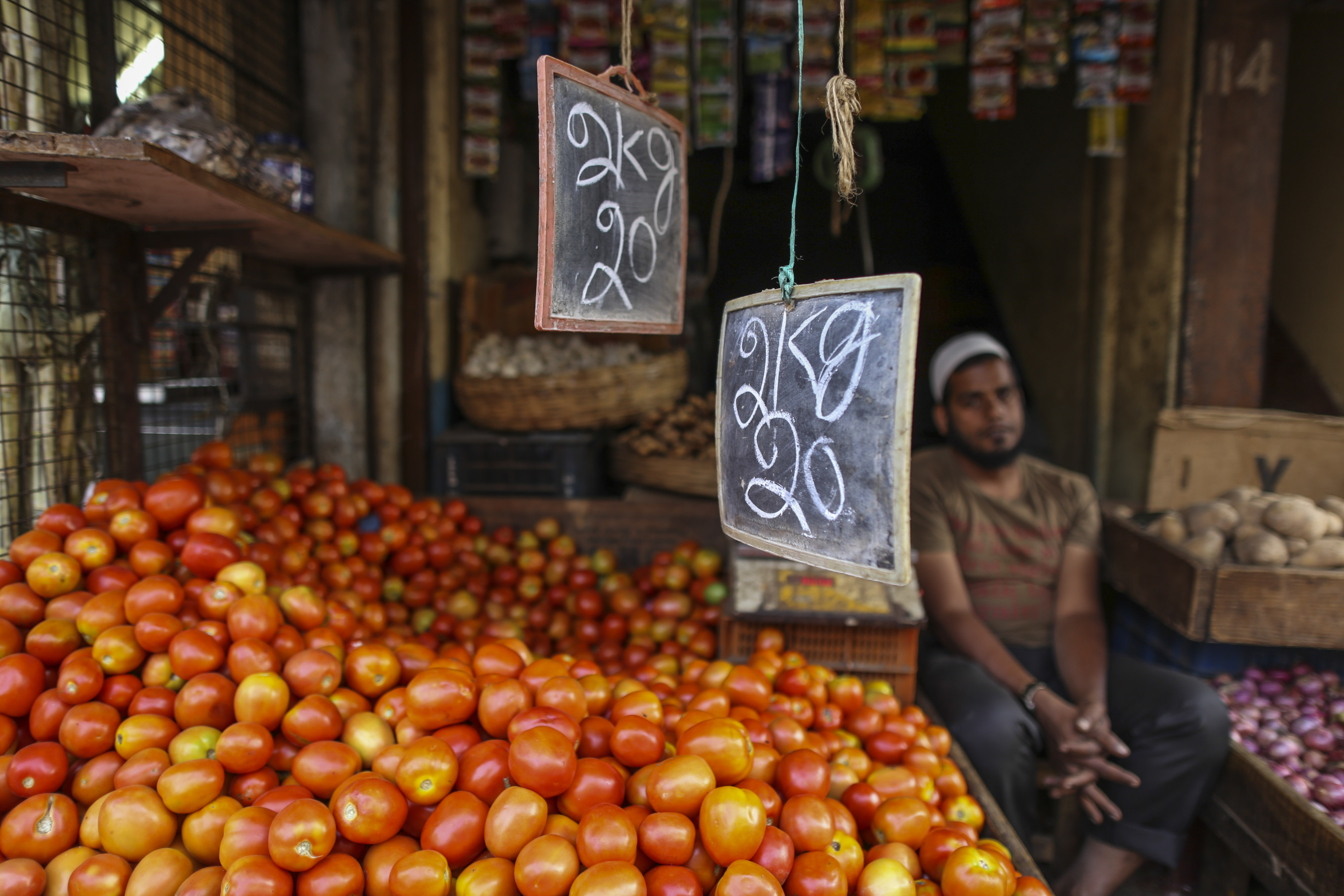
Vegetable vendors, among others, bear the brunt of the cash crunch post the demonetisation of Rs 500 and Rs 1,000 notes. (Photographer: Dhiraj Singh/Bloomberg)

It has been less than a week since the Narendra Modi government fired the biggest salvo yet in its war against black money. Economists are not entirely convinced that the move will make a significant dent in the black economy, but say unanimously that economic activity, possibly for the remainder of the financial year, will take a hit.

On Tuesday, Prime Minister Narendra Modi announced that Rs 500 and Rs 1,000 currency notes would no longer be legal tender with effect from midnight on Wednesday, a move that caught almost everyone completely unawares. Banks scrambled to execute the command, extending working hours and keeping their doors open over the weekend, but a cash crunch was inevitable.

Eight economists polled by BloombergQuint said they expect the cash crunch to impact economic activity in the current quarter, especially in the unorganised sector.

There will be disruption in economic activity at least for a quarter as India has several cash dependent sectors especially in its agricultural and rural belts. The businesses and collection or recovery efforts of microfinance institutions and rural branches of commercial banks would also suffer to some extent. Distribution channels for tractors, two-wheelers, commercial vehicles will resort to de-stocking until the monetary situation returns to normalcy.
Rupa Rege Nitsure, Group Chief Economist, L&T Finance Holdings

Economic activity in the current quarter and maybe the next quarter will be impacted, said another economist on the condition of anonymity. The prevalence of card and online transactions is quite low in smaller towns and nearly absent in rural areas, the economist added.

Real Estate, Jewellery To Be Worst Hit

All economists polled by BloombergQuint also expect there to be a medium-term impact on some sectors that are cash driven, like real estate and gems and jewellery.

After an initial flurry of activity on Wednesday, jewellery stores saw demand drop towards the end of the week.

In the real estate sector, where use of black money was believed to be rampant, there is an expectation that the secondary market for houses will be hit almost immediately. According to JLL India's Chairman Anuj Puri, the primary market for residential real estate will likely come through unscathed.

If this leads to a protracted slowdown in the real estate market for developers, however, the fallout could be felt in other sectors as well, he added.

“With real estate, the impact will be on steel and cement sector also. Steel sector is presently going through a bad phase and this is likely to aggravate the situation further,” said Devendra Kumar Pant, chief economist at India Ratings & Research.

Did The Government Hit The Mark On Black Money?

The most important question is whether the government will achieve its objective on dealing a crippling blow to black money and counterfeit currency.

Four of the eight economists BloombergQuint spoke to were confident the demonetisation of the old high value currency by the government is an effective means to curtail use of black money. But the rest were not so sure.

“No,” said MS Sriram, visiting faculty, Centre for Public Policy at Indian Institute of Management, Bangalore when asked if the move would work. “Creative ways will be found to convert (the black money). It could have made a dent on the hoard if higher denomination currency was not being printed.”

This is just the beginning but a very courageous and bold move. Eventually they will have to target all other forms of assets that are used by people to park black money. This move along with the implementation of GST will help control the creation of black money to a certain extent.
Rupa Rege Nitsure, Group Chief Economist, L&T Finance Holdings
While only a part of the total black economy exists in the form of cash, this move will definitely result in a significant part of the existing stock of unaccounted wealth being extinguished. Some of the unaccounted money will seep back into the formal economy through disclosures or other routes while the rest would have disappeared.
Upasna Bhardwaj, Economist, Kotak Mahindra Bank

How Will This Affect The Fiscal Math?

Based on the RBI's annual report, it is estimated that the Rs 500 and Rs 1,000 notes that are currently being withdrawn accounted for 86 percent of the value of currency in the system.

Banks will accept the demonetised currency till December 30. According to most economists, it is too early to determine what the impact on the government's finances will be. A clearer picture will emerge only once the numbers are tallied, and the amount of money that is unaccounted for is identified.

Also Read: Decision To Scrap Rs 500 And Rs 1,000 Notes: A Windfall For The Government?

“It is more of an accounting change that will happen. It's being said that the amount that is unaccounted for will result in a reduction in the liabilities of the RBI,” said Madan Sabnavis, chief economist at Credit Rating & Research Ltd. “This is true, but what will happen after that is not clear. Prima facie, a reduction in the liabilities side would have to be accompanied by a reduction in the assets side, or the RBI's balance sheet won't tally.”

Now to tally the balance sheet, it is possible that government securities held by the RBI will be extinguished to match the reduction in liabilities and to that extent, the government's debt levels will come down, said Sabnavis.

“The impact would be material for the RBI, not for the government. The impact will be through the RBI's balance sheet. But the other dynamics may cancel out the impact on fiscal deficit. Therefore it will not be material for the government,” Sriram said.

Should It Have Been Done In A Phased Manner?

Serpentine queues and irate bank customers have now become the norm. There is no consensus among the economists polled by BloombergQuint as to whether the government should have handled the demonetisation of the two currency notes differently.

To be sure, some said it could have been better planned to ensure that people were not too inconvenienced.

Yes, I do think that the measure was sudden and abrupt. The number of man hours lost in waiting and standing in queues is phenomenal. The common man is being subjected to grave harassment. The curbs on withdrawal is leading to inconvenience and resulting in irrational consumer behaviour. People are hoarding money (Rs 100 notes) and not spending it and this has affected their purchases.
Radhika Pandey, Consultant, National Institute of Public Finance & Policy

“Even if more notice was not given, government should have been better prepared to deal with the transition to a new currency,” said another economist who did did not want to be quoted.

Others said the government would have risked diluting the impact of the measure if it had gone about it in a phased manner.

Unlock this article for free
Sign up to access exclusive stories, fewer ads, and a personalised experience.
Set as Trusted Source
on Google Search
Add NDTV Profit As Google Preferred Source








