Earning Rs 25,000 Per Month? You Are In India's Top 10%: Report
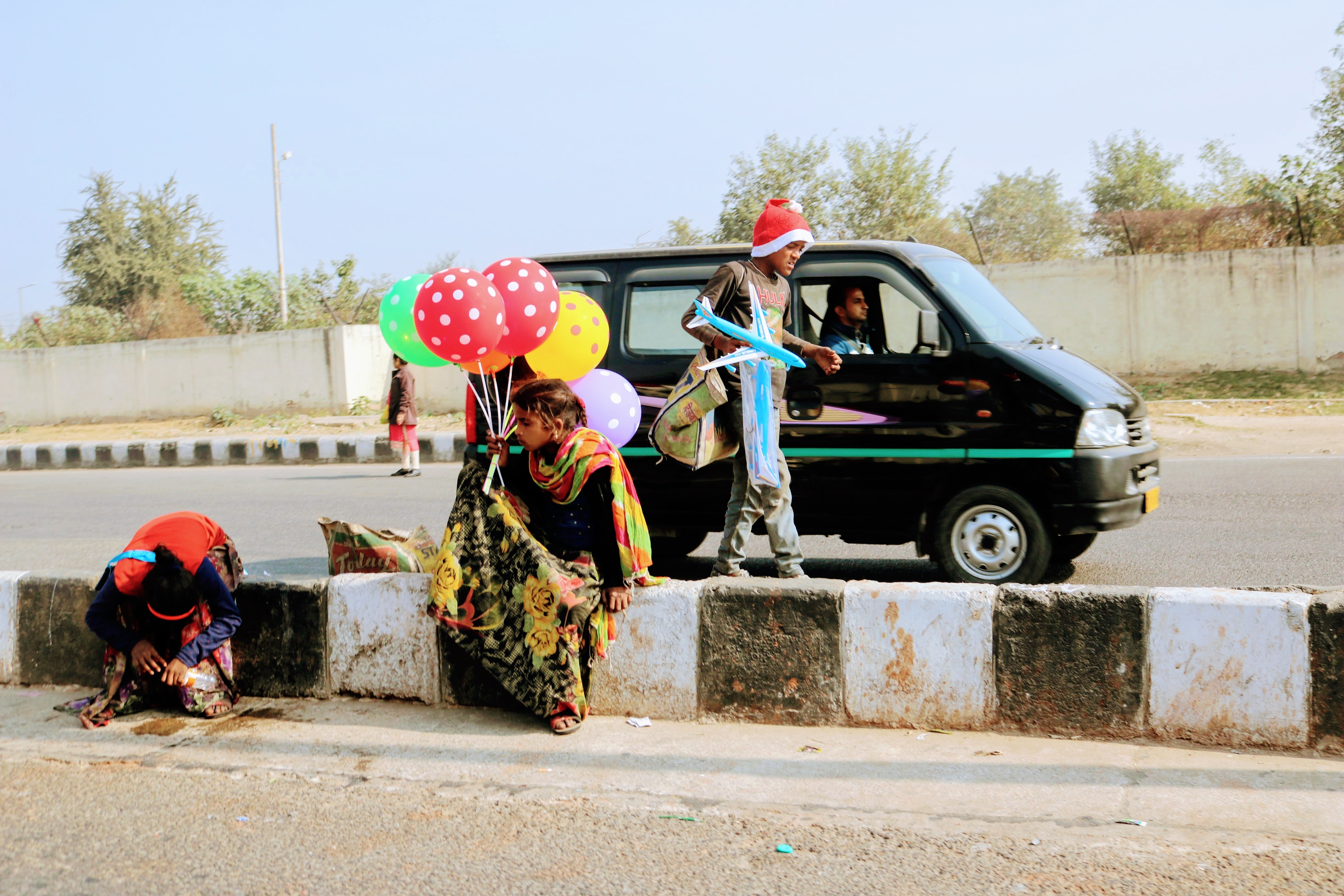
Highlighting a vast income distribution disparity in the country, the latest State of Inequality in India Report by the Economic Advisory Council to the Prime Minister shows a bleak picture, with gaps that need to be addressed so that the goals of social progress and shared prosperity are realised.
While India has made remarkable strides in improving the overall condition of households, with access to necessities and adequate water supply and sanitation, that report showed the measures for income parity, poverty, and employment needs to be improved significantly.
The top one per cent of the country accounts for 5 to 7 per cent of the national income, the report says, while around 15 per cent of the working population earns less than Rs 5,000 (about $64) a month.
Those earning an average of Rs 25,000 per month fall into the top 10 per cent of the total wages earned bracket, which accounts for about 30-35 per cent of the total income.
In a more shocking revelation on the inequality in India, the income of the top 1 per cent shows a growing trend while that of the bottom 10 per cent is shrinking.
According to the National Family and Health Survey (NFHS) 2015-16 data, there is a huge gap in household wealth between rural and urban spaces.
Notably, more than 50 per cent of the households fall in the bottom proportion of wealth concentration (about 54.9 per cent).
That paints a gloomy inequality picture for India, with that disparity worse in rural areas, where a bigger proportion of the population resides than in urban places.
Inequality and poverty are mutually reinforcing variables that spill over in the form of socio-economic inequities.
A recent working paper by the World Bank, "Poverty in India Has Declined over the Last Decade But Not As Much As Previously Thought," by Roy and Van der Weide, highlights that extreme poverty in India has declined by 12.3 percentage points from 2011 to 2019 but at a slower rate than observed between 2004 and 2011.
That underscores the need for the country to mobilise policies aimed at bringing the vast population out of poverty at a faster rate.
While India aims to become a $5 trillion economy based on a gross domestic product measure, the number of poor symbolises how far a country is in achieving its social progress and growth goals.
The everyday experiences of inequality and poverty are intensely reflected in the population's living standards, and therefore mapping the household conditions becomes essential to ascertain the extent of disparity and its socio-economic indications.
To bridge those concerns, the report recommended the implementation of the principles of the Mahatma Gandhi National Rural Employment Guarantee Act 2005 (MGNREGA) in urban areas and the adoption of universal basic income (UBI).
Universal basic income is a policy proposal in which all citizens will regularly receive equally set financial transfer grant from the government. A basic income can be implemented nationally, regionally, or locally and is done without a means of income test.

-
Getting To Work Costs Women More | The Reason Why

It is not just about women paying more than men. It is about women paying much more in cities than in villages.
-
AI Bias In Investing Cannot Be Eliminated, But It Can Be Governed
Framing is a particularly important example as identical financial information presented in terms of gains rather than losses can lead an LLM to reach a different assessment.
-
Joining The Dots | Dark Skies, Steady Diya: Why Hope Holds This Diwali
With war, a weak rupee and foreign outflows weighing on sentiment, policymakers at the NDTV World Summit and market veterans at NDTV Profit Ignite: Diwali Edition offered the same advice: stay invested and filter out the noise.
-
The Curious Case of Equitas Small Finance Bank And A CEO Who Quit For Stock
PN Vasudevan believes persistent investor concerns over a perceived conflict of interest had become a governance overhang on Equitas Small Finance Bank's stock, even as the lender improved profitability and asset quality.
-
Talking Points This Week: AI Cash Burn, A Tiger Comeback And An India That Still Finds Its Own Path
India is not immune to higher oil or tighter global liquidity, yet its earnings base is broader, its domestic policy levers are still available.
-
Foreign Investors Own Half Of HDFC Bank and ICICI Bank. An LTCG Cut Could Matter Most Here
Foreign portfolio investors have US$115 billion parked in HDFC Bank, ICICI Bank. If the government cuts long-term capital gains tax, Jefferies says returning foreign money could land here first.
-
'Never Seen This Level Of Negativity': Sandeep Tandon Says The Next Rally May Be Closer Than You Think
Veteran investor Sandeep Tandon says foreign selling is easing, large-caps are due a comeback and mid-caps are crowded, while he turns positive on gold, power and pharma this Diwali.
-
Indians Stay With Family, Not In Hotels | The Reason Why
India still lacks enough clean, reliable and affordable hotels for budget-conscious travellers.
-
The Economic Imperative: Analysing The Material Driving Force Behind India-Canada Strategic Reset
This economic complementarity is further reinforced by deep institutional investment ties and talent mobility, which form the bedrock of the bilateral framework.
-
Medicine Pricing: Where Must Profit Stop?
India must confront excessive margins, hidden incentives and regulatory gaps that threaten the integrity of medicine.










