Dr. Reddy’s Continues To Exit Non-Core Businesses
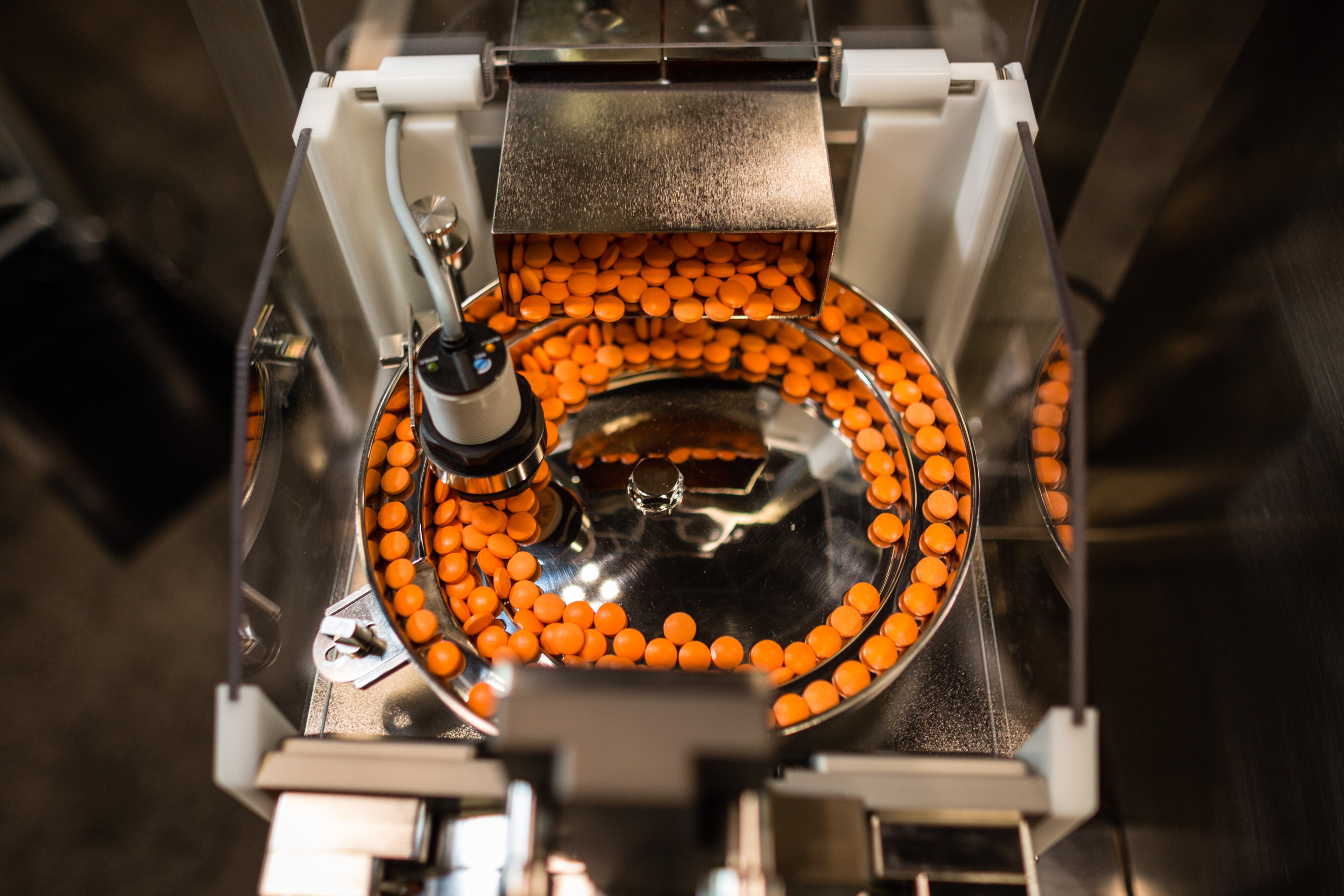
Dr. Reddy's Laboratories Ltd. has agreed to sell its neurology branded products to Upsher-Smith Laboratories as part of its plan to exit specialty business to focus on profitability.
India's second-largest drugmaker by revenue will sell its U.S. and select territory rights for Zembrace and Tosymra (used for treating migraine), which were commercialised through its wholly owned subsidiary, Promius Pharma, according to its exchange filing.
Dr. Reddy's will receive $70 million upfront, $40.5 million in near term and additional financial considerations, including existing contractual obligation and inventory. It will also receive sales-based royalties on a quarterly basis. The sale of proprietary products would help to mitigate operating losses in this business, it said.
With the latest sale, Dr. Reddy's has almost exited the proprietary portfolio of products already commercialised, according to Morgan Stanley. Dr. Reddy's diversification to specialty business hasn't met with commercial success so far, Sameer Baisiwala, pharma analyst at the research firm, said in the note.
So far, the company has sold five specialty products over last three months. In April, Dr. Reddy's sold three U.S. dermatology brands—Sernivo (for plaque psoriasis), Promoseb (used for treating seborrheic dermatitis) and Trianex (for eczema, dermatitis, allergies and rash, among others)—to Encore Dermatology Inc. for Rs 180 crore. In January last year, it out-licensed Zenavod (used for treating redness in face, pimples and swelling) to Galderma S.A.
But the drugmaker retains the specialty products in the R&D pipeline, according to Morgan Stanley.
Dr. Reddy's said it will continue to focus on developing its proprietary product pipeline with Tepilamide Fumarate and Tazarotene Lotion (for plaque psoriasis), E7777 (for T-cell lymphoma), and Celecoxib Oral Solution (used for treating pain and inflammation).
Here's what other analysts are saying:
- The move is in line with the company's strategy to operate this business on a self-sustaining mode rather than depend on generic cash flow to fund the development pipeline, Neha Manpuria, analyst at JP Morgan, said in a note.
- The proprietary product business is a drag on the company's overall profitability, according to Saion Mukherjee, head of equity research at Nomura. The brand divestments will eliminate commercial losses with significant reduction in R&D spends, he said, adding the negative earnings per share of Rs 27 for proprietary products is likely to be reduced.
- Annual losses under proprietary products may reduce from $60-70 million to less than $30 million, said Girish Bakhru, vice president of BofAML. The deal, he said, is positive on a cash flow basis as it gives certain amount upfront.
- It's a smart move considering the challenges and expenses incurred in successfully commercialising branded products in the U.S., according to Alankar Garude, equity research analyst at Macquarie. With the proceeds from the deal, the company is expected to sharpen focus, both organically and inorganically, in U.S. generics, India, Russia, China, active pharmaceutical ingredient and global hospital business, Garude said.

-
Talking Points This Week: Leadership Shock At Nvidia, Earnings Strength, And The Fog Over Hormuz

The Anthropic IPO pricing and first trading day, Nvidia's upcoming earnings, and any fresh signals from Iran will set the tone for the following week.
-
Signature Play: The Classic Cocktail Is Dead. Or Is It?
Classic cocktails are disappearing from India's cocktail menus. But they're still being ordered, taught to bartenders and borrowed from. So, who's really having the last drink?
-
A New Samvat Wishlist: Inclusive Prosperity And Human Development
India has strengthened its economic foundations through infrastructure, digital access and enterprise. Its next growth chapter must deepen productivity, create better livelihoods and widen participation in prosperity.
-
Love, Sex Aur Dhokha: The Audacious Plot To Spy On Jensen Huang
A Taipei dinner, a Singapore chip buyer and a suspected Chinese asset: inside the alleged spy operation that got close to NVIDIA's Jensen Huang.
-
Ten Things I Learnt This Samvat
Patience can be a trap. Cheap stocks can stay cheap. Leverage can wipe you out. What did Samvat 2082 teach us? Niraj Shah writes on 10 lessons from the year gone by.
-
Talking Points This Week: Tech Nerves, FII Buying, And A Faraway Banking Shock
The global markets are not shining this Diwali. The exception in the large markets is, India.
-
Midterm Rally Lasted A Day. The Hard Reality Of A Divided US May Last Two Years | Opinion
Between a contested AI boom, a debt ceiling that arrives in 2027 and a president with every incentive to act alone, the next two years may prove more volatile than the first day's rally suggests.
-
Blue Wave Will Derail the AI Trade but Won't Dismantle the AI Era | Unhedged Position
The Democrats' sweep of the US Congress will see politics collide with economic forces both over the long and short term.
-
It's Time To Take The GST Council's Bet On Trust Global
Payment records can prove India's services exports, and clear, proportionate rules can bring foreign digital sellers into the tax net.
-
Opinion | India at 38: From Innovation Overperformer to Innovation Powerhouse
India now has 453 VC-backed deep science startups, 18 of them late-stage, after 117 percent growth since 2020. Laurus Labs, at USD 9.3 billion, is the most valuable deep science company in any middle-income economy outside China.









