Double Benefit From PM Modi's Crackdown On 'Nameless' Properties, Say Experts
Mumbai: Prime Minister Narendra Modi's vow to take on benami, or nameless properties, can bring greater transparency to a notoriously opaque sector and help check prices if a new law is implemented properly, according to experts.
The practice of buying a property in the name of someone other than the buyer has been widely misused to buy real estate with undeclared income and with fake names and identities to avoid paying tax.
It is estimated benami properties worth billions of dollars are held under fictitious names across India, bypassing laws to check ownership and depriving states of valuable revenue that could be spent on development and welfare schemes.
A 1988 law on such properties was amended this year to ban illegal benami transactions with stricter punishments including imprisonment and a fine of up to a fourth of the property's fair market value. These properties can also be confiscated.
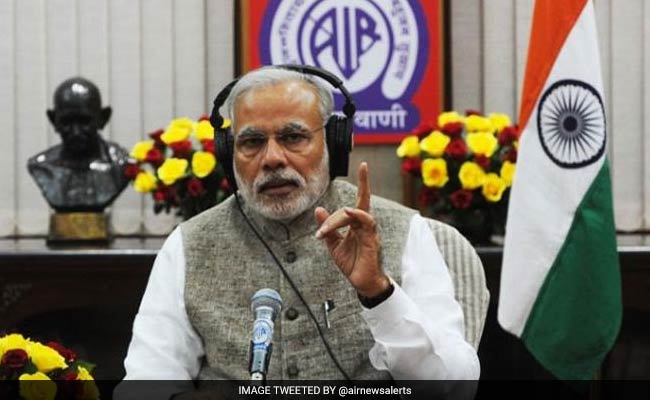
"We are going to take action against the properties which are purchased in the name of others. It is the property of the country," PM Modi said in his monthly radio address on Sunday.
"This law will be put to use in the coming days to fight corruption," he said.
Property as defined under the 1988 law includes not only land and homes, but also assets such as gold, stocks and bank deposits.
"If the new law is implemented properly, there will be greater transparency in the real estate sector, there will be less corruption, and we may see a correction in prices," said Vinod Sampat, a property lawyer in Mumbai.
"But these transactions are hard to track, and the government has a poor record of implementation. While the intention is good, it remains to be seen if the law can be implemented properly," he said.
A series of slum evictions in cities including Delhi has put the spotlight on an acute housing shortage in urban India.
About a third of the country's 1.25 billion population lives in cities, with numbers rising as tens of thousands of people leave villages to seek better prospects.
A government plan to provide housing for all by 2022 is meant to create 20 million new urban housing units and 30 million rural homes. But the government has been criticised for the slow pace of implementation.
Going after benami properties can help accelerate the pace of implementing the government's plan, said Anuj Puri, chairman of real estate firm Jones Lang LaSalle India.
"When titles are clear and transactions transparent, the confidence of lenders increases, so we will see a pickup in lending to buyers," he said.
"This will increase the supply of residential real estate."
The focus on benami properties comes on the heels of a crackdown on undeclared "black money" by withdrawing high-value rupee bills from circulation.

-
Joining The Dots | Dark Skies, Steady Diya: Why Hope Holds This Diwali

With war, a weak rupee and foreign outflows weighing on sentiment, policymakers at the NDTV World Summit and market veterans at NDTV Profit Ignite: Diwali Edition offered the same advice: stay invested and filter out the noise.
-
The Curious Case of Equitas Small Finance Bank And A CEO Who Quit For Stock
PN Vasudevan believes persistent investor concerns over a perceived conflict of interest had become a governance overhang on Equitas Small Finance Bank's stock, even as the lender improved profitability and asset quality.
-
Talking Points This Week: AI Cash Burn, A Tiger Comeback And An India That Still Finds Its Own Path
India is not immune to higher oil or tighter global liquidity, yet its earnings base is broader, its domestic policy levers are still available.
-
Foreign Investors Own Half Of HDFC Bank and ICICI Bank. An LTCG Cut Could Matter Most Here
Foreign portfolio investors have US$115 billion parked in HDFC Bank, ICICI Bank. If the government cuts long-term capital gains tax, Jefferies says returning foreign money could land here first.
-
'Never Seen This Level Of Negativity': Sandeep Tandon Says The Next Rally May Be Closer Than You Think
Veteran investor Sandeep Tandon says foreign selling is easing, large-caps are due a comeback and mid-caps are crowded, while he turns positive on gold, power and pharma this Diwali.
-
Indians Stay With Family, Not In Hotels | The Reason Why
India still lacks enough clean, reliable and affordable hotels for budget-conscious travellers.
-
The Economic Imperative: Analysing The Material Driving Force Behind India-Canada Strategic Reset
This economic complementarity is further reinforced by deep institutional investment ties and talent mobility, which form the bedrock of the bilateral framework.
-
Medicine Pricing: Where Must Profit Stop?
India must confront excessive margins, hidden incentives and regulatory gaps that threaten the integrity of medicine.
-
Why Amazon And Flipkart Are Struggling To Beat Meesho In India's Smaller Cities
With 274 million users and lowest-cost logistics, Meesho is defending its value commerce crown against giants like Amazon and Flipkart.
-
High US Salaries, No Green Card Certainty: The Financial Calculation Facing Indian H-1B Families
The suspension of PERM processing at eight technology employers does not cancel existing H-1B visas. What it does is force a question many Indian families have been avoiding: is the US salary worth tying your career and family plans to one employer?










