Don’t Think Market Fully Appreciates Positives Of HDFC-HDFC Bank Merger: Keki Mistry
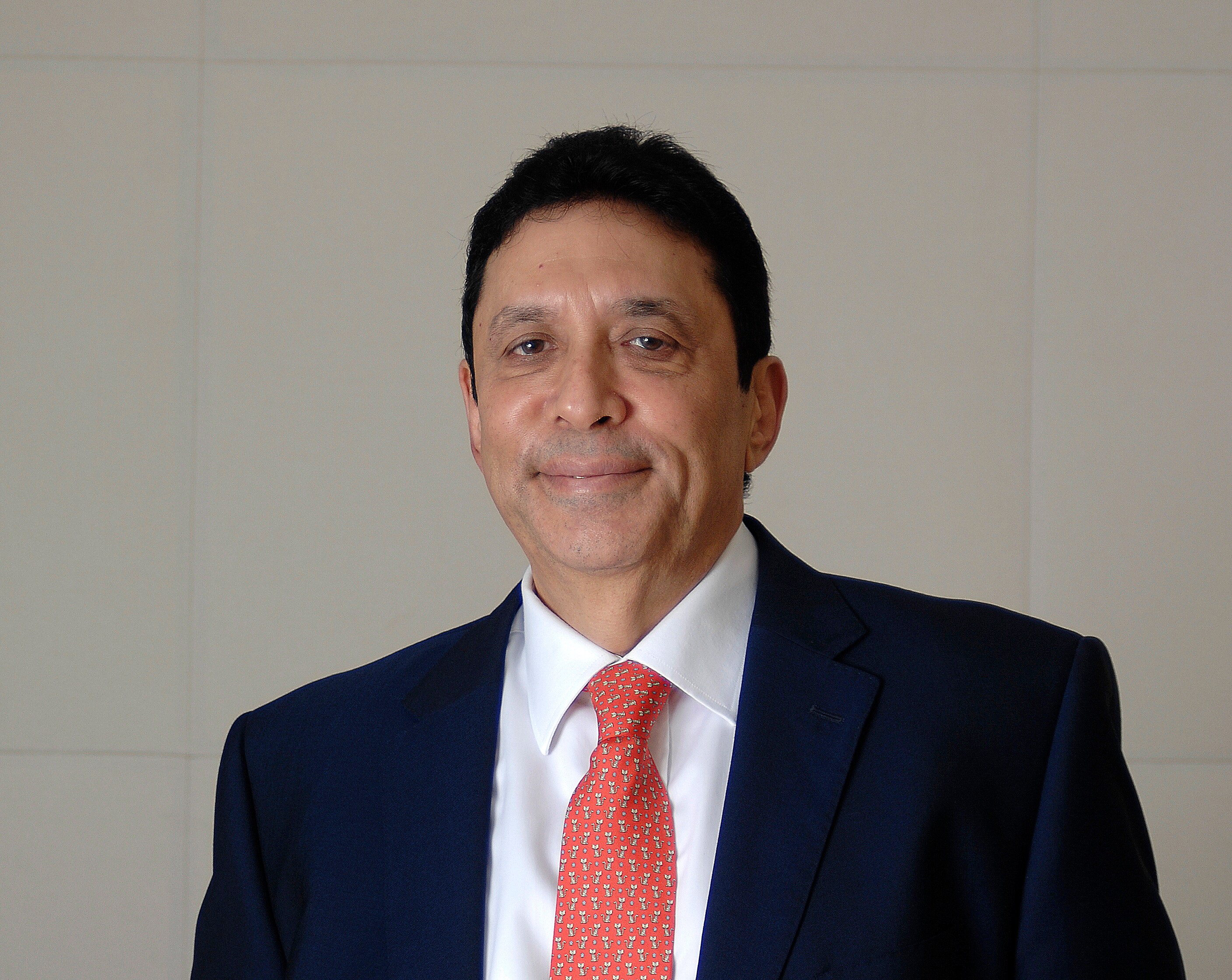
The market has not fully appreciated the benefits of a proposed merger between Housing Development Finance Corp. and HDFC Bank Ltd., according to Keki Mistry.
“Normally, what I hear from a lot of investors is that when a merger is announced and till all the regulatory approvals are in place, there generally tends to be a little caution,” the vice chairman and chief executive officer at the mortgage lender told BloombergQuint in an interview.
Once all the statutory approvals for the HDFC merger are in, Mistry expects the market expectation to change for the better. All approvals, including from the National Company Law Tribunal, are expected to be achieved within 12-15 months, he said.
HDFC and HDFC Bank on April 4 had announced their intent to merge into an entity with a balance sheet of nearly Rs 18 lakh crore. That caused the stock price of HDFC to plunge 20% in two weeks from Rs 2,679 apiece.
HDFC on May 2 declared its fourth-quarter results. The company reported a 16% year-on-year net profit, aided by improved loan growth. HDFC reported assets under management worth Rs 6.54 lakh crore as of March, up 15% over the year earlier. On an AUM basis, growth in HDFC's individual loan book was 17% year-on-year. Individual loan comprised 79% of the total book.
As on May 2, its share price was at Rs 2,262.70 apiece.
Here are the edited excerpts from the interview:
HDFC has recently announced a hike in lending rates for existing borrowers. Do you think this is just a rebalancing of the portfolio, or is there going to be a sustained rise in lending rates?
This is a balancing of the costs, since the costs had risen to a higher level. I don't see any immediate need for rates to go higher. At some point the RBI may want to look at a higher interest rate structure because rates in India have been at an all time low, since Covid times. Given the inflationary pressures, the impression we get is that there might be two or three rate hikes during the course of the year. But that has been pretty much factored in by the market.
During the January-March quarter, your gross non-performing asset ratio dropped from 2.32% to 1.91%. Has most of this come due to higher recoveries?
It is a combination of recovery in the economy and the other is also that the NPA circular was introduced in the middle of November (2021) and we had just about one and a half months to adjust to the new method of calculating NPA. That took a little while. Even today when you compare the old method to the new method, there is about a 21 basis points difference. Collection efficiency is extremely strong at 99%-plus during the course of this quarter.
Do you feel that the impact of Covid-19 is now fully behind us? How long will it take for the economy to have fully bounced back?
Most sectors in the economy are back to normal. Obviously there will be some sectors which may take a little longer. Even if you look at the OTR (one-time restructuring) which the RBI (Reserve Bank of India) introduced during Covid, restructured loans for us have dropped from a peak of 1.4% to 0.8% now, clearly reflecting the economic growth and the feel good sentiments in the market.
Why have the stocks of HDFC and HDFC Bank reacted so poorly after the recent announcement of a merger between the two entities?
I do not think the market fully appreciates the positives of the merger. Normally what I hear from a lot of investors is that normally when a merger is announced and till all the regulatory approvals are in place, there generally tends to be a little caution. Once the approvals come in and the full benefits of the merger are understood in the market, you will see an improvement. Our sense is that over 12-15 months we will get all the approvals, including the one from the NCLT.
Also, as you are aware there has been a huge amount of foreign capital outflow in India and other emerging markets. Because HDFC and HDFC Bank are so widely held by these investors, we have taken the full brunt of these outflows. But that will change, as India is one of the most attractive markets for foreign investments.

-
Signature Play: The Classic Cocktail Is Dead. Or Is It?

Classic cocktails are disappearing from India's cocktail menus. But they're still being ordered, taught to bartenders and borrowed from. So, who's really having the last drink?
-
A New Samvat Wishlist: Inclusive Prosperity And Human Development
India has strengthened its economic foundations through infrastructure, digital access and enterprise. Its next growth chapter must deepen productivity, create better livelihoods and widen participation in prosperity.
-
Love, Sex Aur Dhokha: The Audacious Plot To Spy On Jensen Huang
A Taipei dinner, a Singapore chip buyer and a suspected Chinese asset: inside the alleged spy operation that got close to NVIDIA's Jensen Huang.
-
Ten Things I Learnt This Samvat
Patience can be a trap. Cheap stocks can stay cheap. Leverage can wipe you out. What did Samvat 2082 teach us? Niraj Shah writes on 10 lessons from the year gone by.
-
Talking Points This Week: Tech Nerves, FII Buying, And A Faraway Banking Shock
The global markets are not shining this Diwali. The exception in the large markets is, India.
-
Midterm Rally Lasted A Day. The Hard Reality Of A Divided US May Last Two Years | Opinion
Between a contested AI boom, a debt ceiling that arrives in 2027 and a president with every incentive to act alone, the next two years may prove more volatile than the first day's rally suggests.
-
Blue Wave Will Derail the AI Trade but Won't Dismantle the AI Era | Unhedged Position
The Democrats' sweep of the US Congress will see politics collide with economic forces both over the long and short term.
-
It's Time To Take The GST Council's Bet On Trust Global
Payment records can prove India's services exports, and clear, proportionate rules can bring foreign digital sellers into the tax net.
-
Opinion | India at 38: From Innovation Overperformer to Innovation Powerhouse
India now has 453 VC-backed deep science startups, 18 of them late-stage, after 117 percent growth since 2020. Laurus Labs, at USD 9.3 billion, is the most valuable deep science company in any middle-income economy outside China.









