Demonetisation Hits Real Estate; Sales, Inquiries Dip
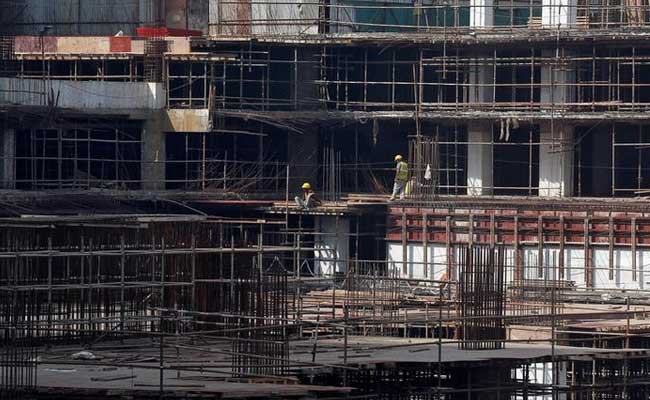
25-year-old Ram Naresh came to Mumbai 10 years ago and has been a construction worker ever since. But the last one month has been a trying one for Ram and his family. Since demonisation, the daily wage labourer's income has dropped to a third of what he was earning before.
"We need at least Rs 6,000 per month to survive but ever since demonetisation, we barely got Rs 2,000-2,500 this month. What will we eat?" asked Ram Naresh. (Watch)
Most of the labourers at Ram's site work for daily wages. With no permanent address listed under their names and since they don't hold bank accounts, they can accept payments only in cash. This has rendered them helpless. Their employers are also facing retention issues. With daily withdrawal limits falling short, paying wages has become nearly impossible.
"Initially, soon after demonetisation, we stood in the bank queue and deposited our money but then we couldn't withdraw enough cash from the bank to pay for buying our materials. We are not being able to pay our labourers also, so they might just leave my work and go," said labour contractor Kamlapati Mishra.
But the problem doesn't end there. Since the note ban, the real estate sector has seen a substantial dip in the number of sales. Queries about projects and walk-ins have dropped by 50 per cent. Buying decisions have also been put on hold in these times of uncertainty.
"Ever since demonetisation, even the inquiries about projects that we used to receive have stopped. We understand that most customers are busy worrying about running their homes at the moment, but hopefully the situation will improve," said developer Suryakant Upadhyay.
But experts believe that after the initial setback, the real estate sector will bounce back with greater transparency and bigger investments.
"The immediate trend...in 3-6 months we will see a slowdown in sales and some price pressure in some pockets or segments. But after that what we strongly believe is that with demonetisation, the real estate residential segment mainly, will evolve in a different manner, said Dr Samantak Das, chief economist and national director of research at Knight Frank India.
"It will be much more transparent and we will definitely see a lot of institutional participation in terms of funds. Because of more transparency, the institutions will have more confidence in this sector," he added.
While developers and construction firms can survive on optimism in the near future, it's the workforce of labourers, who live from one day's wage to the next, who have been worst affected.

-
Joining The Dots | Dark Skies, Steady Diya: Why Hope Holds This Diwali

With war, a weak rupee and foreign outflows weighing on sentiment, policymakers at the NDTV World Summit and market veterans at NDTV Profit Ignite: Diwali Edition offered the same advice: stay invested and filter out the noise.
-
The Curious Case of Equitas Small Finance Bank And A CEO Who Quit For Stock
PN Vasudevan believes persistent investor concerns over a perceived conflict of interest had become a governance overhang on Equitas Small Finance Bank's stock, even as the lender improved profitability and asset quality.
-
Talking Points This Week: AI Cash Burn, A Tiger Comeback And An India That Still Finds Its Own Path
India is not immune to higher oil or tighter global liquidity, yet its earnings base is broader, its domestic policy levers are still available.
-
Foreign Investors Own Half Of HDFC Bank and ICICI Bank. An LTCG Cut Could Matter Most Here
Foreign portfolio investors have US$115 billion parked in HDFC Bank, ICICI Bank. If the government cuts long-term capital gains tax, Jefferies says returning foreign money could land here first.
-
'Never Seen This Level Of Negativity': Sandeep Tandon Says The Next Rally May Be Closer Than You Think
Veteran investor Sandeep Tandon says foreign selling is easing, large-caps are due a comeback and mid-caps are crowded, while he turns positive on gold, power and pharma this Diwali.
-
Indians Stay With Family, Not In Hotels | The Reason Why
India still lacks enough clean, reliable and affordable hotels for budget-conscious travellers.
-
The Economic Imperative: Analysing The Material Driving Force Behind India-Canada Strategic Reset
This economic complementarity is further reinforced by deep institutional investment ties and talent mobility, which form the bedrock of the bilateral framework.
-
Medicine Pricing: Where Must Profit Stop?
India must confront excessive margins, hidden incentives and regulatory gaps that threaten the integrity of medicine.
-
Why Amazon And Flipkart Are Struggling To Beat Meesho In India's Smaller Cities
With 274 million users and lowest-cost logistics, Meesho is defending its value commerce crown against giants like Amazon and Flipkart.
-
High US Salaries, No Green Card Certainty: The Financial Calculation Facing Indian H-1B Families
The suspension of PERM processing at eight technology employers does not cancel existing H-1B visas. What it does is force a question many Indian families have been avoiding: is the US salary worth tying your career and family plans to one employer?










