Demonetisation, GST To Be Highly Disruptive In Short Term: S&P
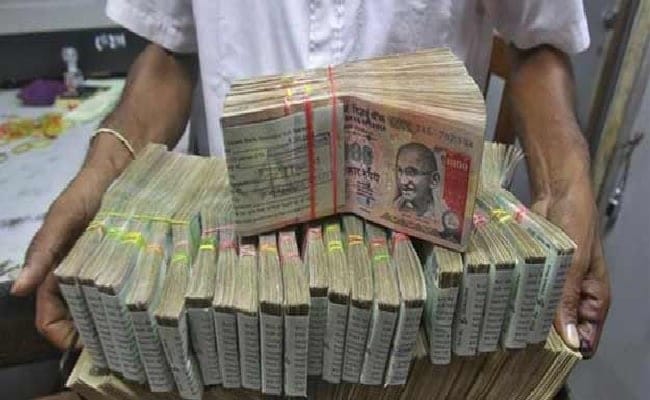
New Delhi: S&P Global Ratings today said demonetisation and a likely GST rollout from September 2017 are likely to cast a "higher disruptive impact" on informal, rural, and cash-based segments of the economy.
It further said corporates and banks are likely to face short-term downside risk as the demonetisation-induced cash crunch will curtail GDP growth.
"Indian government reforms will have long-term structural benefits, but carry short-term execution and adjustment risks," S&P Global Ratings Credit Analyst Abhishek Dangra said in an article titled India's Demonetization And the GST: Short-term Pain For Long-term Gain, published today.
The rating agency recently revised downwards its estimated economic growth rate for 2016-17 by one full percentage point to 6.9 per cent to reflect the disruption caused by the surprise move of demonetisation.
It said the government's decision to cancel the legal tender status of high-value rupee notes has caused a significant physical cash crunch.
"Both demonetisation and a goods and services tax (GST, expected to be implemented by September 2017) are likely to have a higher disruptive impact on the informal, rural, and cash-based segments of the economy," S&P said.
It said these reforms could benefit India in the long run after short-term pain.
The credit and risk analysis firm believes that demonetisation and GST could result in a wider tax base and greater participation in the formal economy. This should benefit India's business climate and financial system in the long run.
"We believe such measures can promote greater economic flexibility, strengthen the business climate, funnel more wealth into the formal banking system, and help redress public finances over time," said Kyran Curry, also a credit analyst of S&P Global Ratings.
"We expect lower private consumption in fiscal 2017, but expect demand to revive and growth to rebound in fiscal 2018. India should shortly revert back to an 8 per cent annual growth trajectory," says Dharmakirti Joshi, Chief Economist of Crisil, a subsidiary of S&P Global.
"In our base case, we expect a short-lived disruption with demand revival in the next one to two quarters, limiting the impact on Indian banks and corporates. In the short term, however, the rural and informal sectors are experiencing large-scale adjustments. Business sectors that often transact in cash, including jewellery and real estate, will also face some degree of upheaval, S&P said.
"The banking sector will face marginally negative pressure in the short run as loan growth will remain soft, and asset quality and earnings will be pressurised at the margin. Digital banking and higher banking base could benefit the banks in the long run," said another credit analyst of S&P Global Ratings, Geeta Chugh.
In a less-likely downside scenario, the shock of demonetisation will not be absorbed within the next few months and the economic disruption will spill over into fiscal 2018, and potentially coincide with the introduction of GST, the US-based agency said.
It added that in a less probable situation, economic growth will stay lower for longer, raising stress levels on corporates, banks, and other financial institutions; although the sovereign rating is likely to remain resilient.
(This story has not been edited by NDTV staff and is auto-generated from a syndicated feed.)

-
Getting To Work Costs Women More | The Reason Why

It is not just about women paying more than men. It is about women paying much more in cities than in villages.
-
AI Bias In Investing Cannot Be Eliminated, But It Can Be Governed
Framing is a particularly important example as identical financial information presented in terms of gains rather than losses can lead an LLM to reach a different assessment.
-
Joining The Dots | Dark Skies, Steady Diya: Why Hope Holds This Diwali
With war, a weak rupee and foreign outflows weighing on sentiment, policymakers at the NDTV World Summit and market veterans at NDTV Profit Ignite: Diwali Edition offered the same advice: stay invested and filter out the noise.
-
The Curious Case of Equitas Small Finance Bank And A CEO Who Quit For Stock
PN Vasudevan believes persistent investor concerns over a perceived conflict of interest had become a governance overhang on Equitas Small Finance Bank's stock, even as the lender improved profitability and asset quality.
-
Talking Points This Week: AI Cash Burn, A Tiger Comeback And An India That Still Finds Its Own Path
India is not immune to higher oil or tighter global liquidity, yet its earnings base is broader, its domestic policy levers are still available.
-
Foreign Investors Own Half Of HDFC Bank and ICICI Bank. An LTCG Cut Could Matter Most Here
Foreign portfolio investors have US$115 billion parked in HDFC Bank, ICICI Bank. If the government cuts long-term capital gains tax, Jefferies says returning foreign money could land here first.
-
'Never Seen This Level Of Negativity': Sandeep Tandon Says The Next Rally May Be Closer Than You Think
Veteran investor Sandeep Tandon says foreign selling is easing, large-caps are due a comeback and mid-caps are crowded, while he turns positive on gold, power and pharma this Diwali.
-
Indians Stay With Family, Not In Hotels | The Reason Why
India still lacks enough clean, reliable and affordable hotels for budget-conscious travellers.
-
The Economic Imperative: Analysing The Material Driving Force Behind India-Canada Strategic Reset
This economic complementarity is further reinforced by deep institutional investment ties and talent mobility, which form the bedrock of the bilateral framework.
-
Medicine Pricing: Where Must Profit Stop?
India must confront excessive margins, hidden incentives and regulatory gaps that threaten the integrity of medicine.










