Delhivery CEO Navigates Market Meltdown in ‘Nerve-Wracking’ IPO
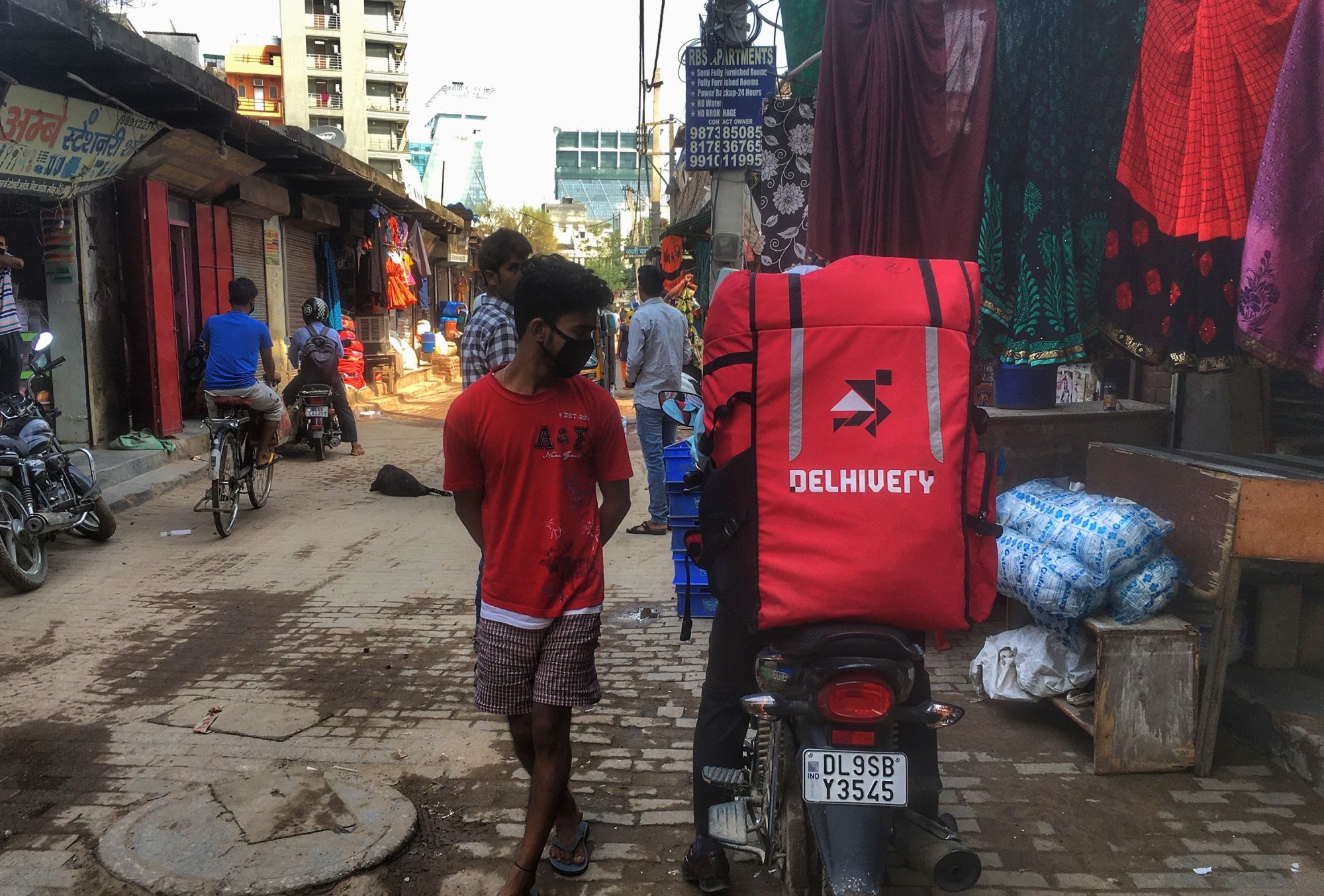
(Bloomberg) -- Sahil Barua, chief executive officer of logistics startup Delhivery Ltd., minces no words about the process of going public in what's shaping up to be an historic meltdown in the technology industry.
“It was nerve-wracking,” said the 37-year-old, who is also a co-founder.
The IPO last week came only after months of discussions with potential investors and investment bankers, Barua said in a video chat this week. Executives paid multiple visits to would-be backers to explain the business models and numbers at the company, which is based in Gurgaon in the suburbs of New Delhi.
Barua and his team slashed the size of the offering by about 30% at the beginning of May and then decided to price shares conservatively, essentially sacrificing some cash in the short-term to try to avoid a tumble for investors. Shares are now up 10% from Delhivery's debut, which he thinks signals solid appetite for risk in India's public markets despite a drop in financing from venture capital firms.

“Technology stocks had corrected more than 20% in the period between filing our initial draft documents to our IPO so we modified our pricing,” Barua said. “We decided we'd rather have modestly-priced shares which rise rather than tumble on listing.”
Shares, which debuted at 487 rupees each, closed Wednesday at 536 rupees.

That the founders weren't selling any shares in the company sent the right signal to the market, he said. Although retail investors bid for only about half the shares that were on sale, institutional investors flocked to the stock, resulting in an oversubscription.

“Retail investors have a hard time understanding why new-age technology companies make losses,” he said.
A rout in technology stocks is resetting expectations for the venture capital ecosystem, which has grown dependent on a flood of cash from privately held funds to finance money-losing operations. Delhivery -- which provides last-mile delivery, warehousing and cross-border logistics support to a variety of companies -- has been grabbing market share by spending its cash on buying smaller rivals. It'll continue to chase acquisitions with the proceeds of the IPO, Barua said.
Delhivery's decision to stick to its IPO plans despite the market turmoil may stem in part from the need to replenish its reserves. Its cash hoard had shrunk to just over 3.6 billion rupees ($46 million) at the end of 2021 from more than 16 billion rupees at end-March 2019, while total expenses almost doubled in the nine months to December 2021 from a year earlier. Losses almost tripled over the same period.
Delhivery's backers include SoftBank Group Corp., Tiger Global LP, the Carlyle Group Inc. and FedEx Corp. Following a historic loss on its Vision Fund, SoftBank has said it plans to cut startup investment by 50% or more this year. The average monthly value of deals led by Tiger Global has also slowed to less than half what it was a year ago, according to PitchBook.
Founded in 2011 as a food delivery service, Delhivery provides warehousing for Xiaomi Corp. and Lenovo Group Ltd., shipment tracking for Inditex SA's Zara and Hennes & Mauritz AB, deliveries for Amazon.com Inc. and Walmart Inc.-owned Flipkart and logistics for India's largest automakers, appliance manufacturers, and consumer goods makers. The company plans to expand overseas by partnering with minority shareholder FedEx Corp. to sell its technology services.
Delhivery posted a fourth quarter loss of 1.2 billion rupees on revenue of 20.7 billion rupees earlier this week.
Founders Barua, Kapil Bharati and Suraj Saharan spent years building their own maps, designing ways for freelance delivery staff to handle large amounts of cash, and expanding its reach beyond big cities in India's fragmented logistics market spanning thousands of mom & pop logistics operators.
While rising fuel prices and shortage of skilled labor are headwinds, companies like Delhivery are betting that scale will help them succeed.
“Logistics is not a discretionary expenditure so there's no softening of demand despite the Ukraine war and macro-economic shocks,” said Barua. “The intersection of logistics and infrastructure is at the heart of the India story.”
More stories like this are available on bloomberg.com
©2022 Bloomberg L.P.

-
Talking Points This Week: Leadership Shock At Nvidia, Earnings Strength, And The Fog Over Hormuz

The Anthropic IPO pricing and first trading day, Nvidia's upcoming earnings, and any fresh signals from Iran will set the tone for the following week.
-
Signature Play: The Classic Cocktail Is Dead. Or Is It?
Classic cocktails are disappearing from India's cocktail menus. But they're still being ordered, taught to bartenders and borrowed from. So, who's really having the last drink?
-
A New Samvat Wishlist: Inclusive Prosperity And Human Development
India has strengthened its economic foundations through infrastructure, digital access and enterprise. Its next growth chapter must deepen productivity, create better livelihoods and widen participation in prosperity.
-
Love, Sex Aur Dhokha: The Audacious Plot To Spy On Jensen Huang
A Taipei dinner, a Singapore chip buyer and a suspected Chinese asset: inside the alleged spy operation that got close to NVIDIA's Jensen Huang.
-
Ten Things I Learnt This Samvat
Patience can be a trap. Cheap stocks can stay cheap. Leverage can wipe you out. What did Samvat 2082 teach us? Niraj Shah writes on 10 lessons from the year gone by.
-
Talking Points This Week: Tech Nerves, FII Buying, And A Faraway Banking Shock
The global markets are not shining this Diwali. The exception in the large markets is, India.
-
Midterm Rally Lasted A Day. The Hard Reality Of A Divided US May Last Two Years | Opinion
Between a contested AI boom, a debt ceiling that arrives in 2027 and a president with every incentive to act alone, the next two years may prove more volatile than the first day's rally suggests.
-
Blue Wave Will Derail the AI Trade but Won't Dismantle the AI Era | Unhedged Position
The Democrats' sweep of the US Congress will see politics collide with economic forces both over the long and short term.
-
It's Time To Take The GST Council's Bet On Trust Global
Payment records can prove India's services exports, and clear, proportionate rules can bring foreign digital sellers into the tax net.
-
Opinion | India at 38: From Innovation Overperformer to Innovation Powerhouse
India now has 453 VC-backed deep science startups, 18 of them late-stage, after 117 percent growth since 2020. Laurus Labs, at USD 9.3 billion, is the most valuable deep science company in any middle-income economy outside China.









