Debit Card Breach: What Recourse Do Cardholders Have?
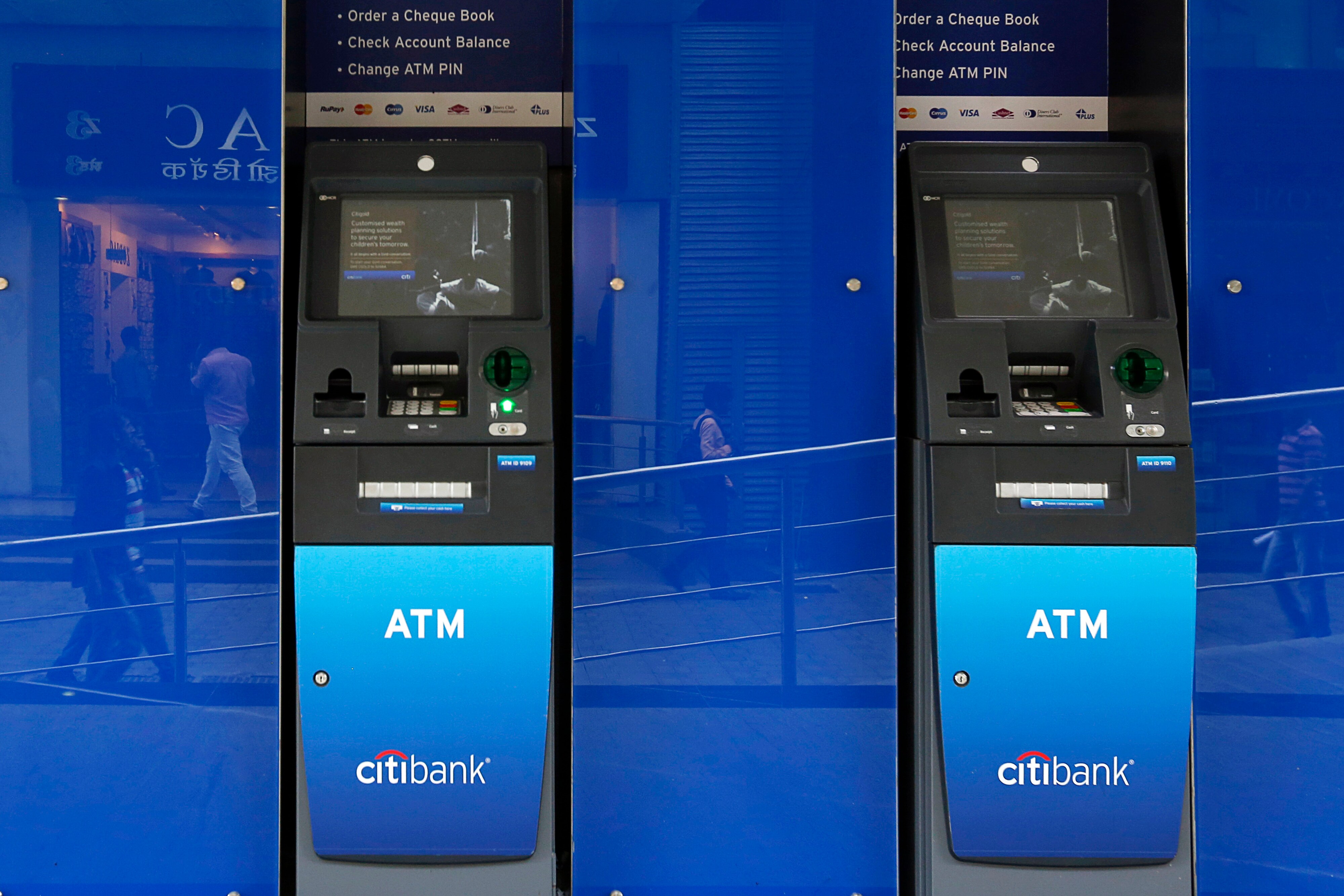
32 lakh debit cards compromised. 19 banks impacted. Fraudulent transactions worth Rs 1.3 crore made. 641 customer complaints filed. These numbers revealed by National Payments Corporation of India Ltd (NPCIL) are both staggering and worrying. Banks say their systems are robust, card network companies say their infrastructure is watertight, the payment switch provider has assured that its system isn't the one that has been compromised and the government has promised prompt action. But words and assurances are unlikely to make up the losses, that consumers have suffered.
So, what recourse do consumers affected by debit card frauds have?
RBI Regulation
The Reserve Bank of India's (RBI) 2015 Master Circular on debit card issuing banks makes the bank responsible for direct losses incurred by a cardholder due to a system malfunction directly within the bank's control.
Tishampati Sen, an advocate who practices consumer law explains that banks cannot shift the blame to technology intermediaries such as payment switch providers.
Large number of ATMs, I think around 30 percent of them, are not managed and operated by the banks themselves but it is outsourced. In such cases also a bank cannot put its hands up. So, for instance, if Hitachi (a payment switch provider) is at fault, it doesn't absolve the bank of its liability towards the aggrieved consumer.Tishampati Sen, Advocate, Consumer Law
The Vidyawanti Case
While in this case, the breach is large scale and banks cannot outrightly deny its existence, in cases where individual customers are affected, banks may deny foul play. For instance, last year, a certain Vidyawanti argued before the National Consumer Disputes Redressal Commission (NCDRC) that two fraudulent withdrawals had taken place from her State Bank of India (SBI) account. SBI shifted the blame on Vidyawanti and stated that the withdrawal could not have happened unless she had parted with her ATM card and disclosed the pin number to someone, or that she had herself operated the account. But the NCDRC concluded that SBI was liable for the breach as another complaint regarding the same ATM had been filed by another customer with the police.

To prevent debit card frauds, banks often warn customers to not share their ATM pins with anyone and change them from time to time.
Over the past few weeks, several banks have sent sterner messages to customers, suggesting they change their pin numbers immediately.

Tishampati says that he has also got similar messages but didn't take them seriously. In such a situation, can the bank shift the liability on to the consumer? Tishampati says a nuanced argument of a general advisory versus a specific warning can be made in favour of a customer.
If it is a general advisory which a bank sends to all the customers, then that is just a matter of good house-keeping. And the bank will be liable in case a fraudulent transaction takes place.Tishampati Sen, Advocate, Consumer Law
But if a bank has specifically told a customer that a charge card may be in trouble and has advised the customer to change the pin and the advise goes unheeded, then it may work as a mitigating factor to establish that the bank is no longer responsible, he added.
None of the 19 banks in this case have issued any statement confirming or denying compensation to the aggrieved customers but experts say if they refuse to compensate, debit card holders who have suffered losses will have a good chance before the consumer court.

-
Indians Are Travelling, But Not Every Journey Is A Holiday | The Week In Whys

Pilgrims, patients and working women are the real travellers, and the system hasn't quite caught up with them.
-
Getting To Work Costs Women More | The Reason Why
It is not just about women paying more than men. It is about women paying much more in cities than in villages.
-
AI Bias In Investing Cannot Be Eliminated, But It Can Be Governed
Framing is a particularly important example as identical financial information presented in terms of gains rather than losses can lead an LLM to reach a different assessment.
-
Joining The Dots | Dark Skies, Steady Diya: Why Hope Holds This Diwali
With war, a weak rupee and foreign outflows weighing on sentiment, policymakers at the NDTV World Summit and market veterans at NDTV Profit Ignite: Diwali Edition offered the same advice: stay invested and filter out the noise.
-
The Curious Case of Equitas Small Finance Bank And A CEO Who Quit For Stock
PN Vasudevan believes persistent investor concerns over a perceived conflict of interest had become a governance overhang on Equitas Small Finance Bank's stock, even as the lender improved profitability and asset quality.
-
Talking Points This Week: AI Cash Burn, A Tiger Comeback And An India That Still Finds Its Own Path
India is not immune to higher oil or tighter global liquidity, yet its earnings base is broader, its domestic policy levers are still available.
-
Foreign Investors Own Half Of HDFC Bank and ICICI Bank. An LTCG Cut Could Matter Most Here
Foreign portfolio investors have US$115 billion parked in HDFC Bank, ICICI Bank. If the government cuts long-term capital gains tax, Jefferies says returning foreign money could land here first.
-
'Never Seen This Level Of Negativity': Sandeep Tandon Says The Next Rally May Be Closer Than You Think
Veteran investor Sandeep Tandon says foreign selling is easing, large-caps are due a comeback and mid-caps are crowded, while he turns positive on gold, power and pharma this Diwali.
-
Indians Stay With Family, Not In Hotels | The Reason Why
India still lacks enough clean, reliable and affordable hotels for budget-conscious travellers.
-
The Economic Imperative: Analysing The Material Driving Force Behind India-Canada Strategic Reset
This economic complementarity is further reinforced by deep institutional investment ties and talent mobility, which form the bedrock of the bilateral framework.










