DBS, StanChart Weigh Bids As Citi Retreats From Asia Consumer Business: Report
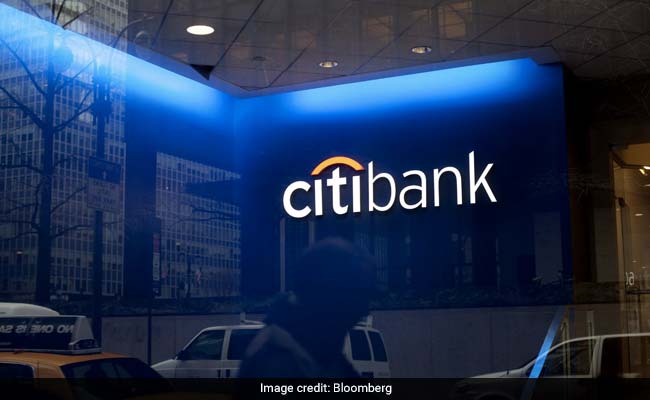
Banks including DBS Group, Mitsubishi UFJ Financial Group (MUFG), OCBC and Standard Chartered are set to bid for parts of Citigroup's consumer business in Asia, people with direct knowledge of the matter said.
The sale process will start within a couple of weeks, they added, declining to be named as they were not authorised to speak to media.
The move comes after Citi said it would exit from its consumer franchises in 13 markets, 10 of which are in Asia, as it refocuses on its more lucrative institutional and wealth management businesses in these markets.
Potential bids from the regional banks and StanChart, which makes most of its profit in Asia, underscores their growing appetite for businesses like credit cards and mortgages in a push to lock in long-term income growth.
The businesses Citi is exiting had $82 billion in assets and were allocated $7 billion in tangible common equity last year. Citi has plans to reposition its Asian consumer banking business from its "wealth centres" of Hong Kong and Singapore.
As Citi is not giving up its banking licences in most of the markets it is exiting, the sale of the consumer banking portfolios and branches will only appeal to lenders with existing presence in these countries, the people said.
"Asia is critical to our firm's strategy, and we will allocate resources to drive profitable growth," a Citi spokesman in Hong Kong said, declining to comment on the sale process.
Representatives at Japanese lender MUFG and StanChart, and Sumitomo Mitsui Financial Group, which the sources said was another potential bidder, declined to comment.
"DBS has always been open to exploring sensible bolt-on opportunities in markets where we have a consumer banking franchise (China, India, Indonesia and Taiwan) and where we can overlay our digital capabilities," Southeast Asia's biggest lender said in a statement.
In 2016, DBS bought ANZ's wealth management and retail businesses in five Asian markets for about $80 million.
Citi's sprawling India consumer business, comprising retail deposits, mortgages and credit cards, and its Taiwan business would be among the most valuable parts of its Asian consumer portfolio, the sources said.
Citi's consumer banking business in the 13 markets accounted for $4.2 billion of the bank's $74.3 billion revenue in 2020. All the markets it is exiting made a combined loss of $40 million in the consumer banking business in the same year.
India 'Jewel In The Crown'
DBS, the only big foreign bank with a fully owned Indian subsidiary, is eyeing Citi's India business, which is also set to attract StanChart and local lenders Kotak Mahindra Bank and Axis Bank, the sources said.
SBI Cards and Payment Services Ltd, a unit of State Bank of India, is also weighing a bid for Citi's credit card portfolio in India, two of the sources said.
Citi's India consumer business is valued at over $2 billion, according to four sources.
"India is the jewel in the crown and will command a better price than the other markets," one of the sources added.
Citi has been in India for decades and was among the first to introduce Indians to credit cards in 1987. It ranks as the sixth largest local card issuer with nearly 2.7 million cards.
Sources say Citi has a significant share in the premium segment, commanding higher spends per card of 10-25% versus the industry average. It is also among the top five wealth management players, with 35 branches and about 4,000 staff in the consumer banking segment.
Kotak Mahindra declined to comment, while Axis Bank and SBI Cards did not respond to a request for comment.
The other markets Citi is exiting as part of its new CEO Jane Fraser's strategy include South Korea, Australia, mainland China and Thailand - countries where it does not have the necessary scale to compete with local rivals.
Singapore's DBS and OCBC, Britain's StanChart, and the Japanese lenders are also weighing bids for some of Citi's Southeast Asia businesses, the people said.
Citi's businesses in Australia and South Korea could attract interest from domestic banks, they added.

-
Gold Is Rs 22,000 Cheaper Than A Month Ago. Should You Buy Amid The Wedding Season?

Gold's potential slide to $3,500 could save around Rs 4,700 per 10 grams, but a soft inflation print could just as easily push prices back up. One way to split the risk is to buy in parts, some now and the rest after the Fed's Dec. 9 decision.
-
AI Agents Are Gaining Power. Who Governs Them?
Artificial intelligence agents promise to transform productivity by moving machines from assisting decisions to executing them. But as organisations delegate greater authority to these AI-agents, they must first establish who controls that authority and who remains accountable when things go wrong.
-
Why Swapping Your Old Gold Can Trigger A Rs 5 Lakh Tax Bill, And How You Can Avoid It Legally
Swapping old gold for new is taxed as a sale and a fresh purchase. Getting your own gold remade can cut most of that bill, though it has its own costs.
-
The AI Trade is Done. The Real Opportunity for Investors Starts in 2027 | Unhedged Position
As pureplay AI stocks plunge and circular, capex-led financing unwinds, 2027 is set to be a year of reckoning for AI companies. Yet the bust clears the way for a better opportunity for investors in 2027 -- shifting the spotlight from AI builders to the companies using AI.
-
Leadership As Mission: Why The Age Of AI Demands More Human Leadership
Debjani Ghosh examines how AI is changing leadership, arguing that its success must be measured by its impact on people and the accountability of those guiding its use.
-
We May Need Another Tukaram Mundhe To Fight Air Pollution | The Reason Why
Developers may install basic measures such as sprinklers and green nets, resume work, and continue violating rules when this equipment stops working.
-
Extracting Value From Battery Scrap Could Be Challenging For India | The Reason Why
A discarded lithium-ion battery still contains valuable materials such as lithium, nickel and cobalt. These can be recovered and reused. When such batteries are crushed and shredded, they produce a dark powder called black mass.
-
One El Nino, India Can Handle. Two Could Break The Granary
India's grain stocks can absorb one bad year, but a second El Nino could drain the buffer in two to three years, economists say.
-
India's Troika Of Good Luck | Joining The Dots
As Jensen Huang's exit drags Nvidia down, a cooling AI trade and resilient earnings have revived investor interest in India. A likely RBI rate hike looms.
-
Talking Points This Week: Leadership Shock At Nvidia, Earnings Strength, And The Fog Over Hormuz
The Anthropic IPO pricing and first trading day, Nvidia's upcoming earnings, and any fresh signals from Iran will set the tone for the following week.









