Davos WEF 2022 | Idea That Sustainability Is Costly Needs To Go, Says Unilever CEO
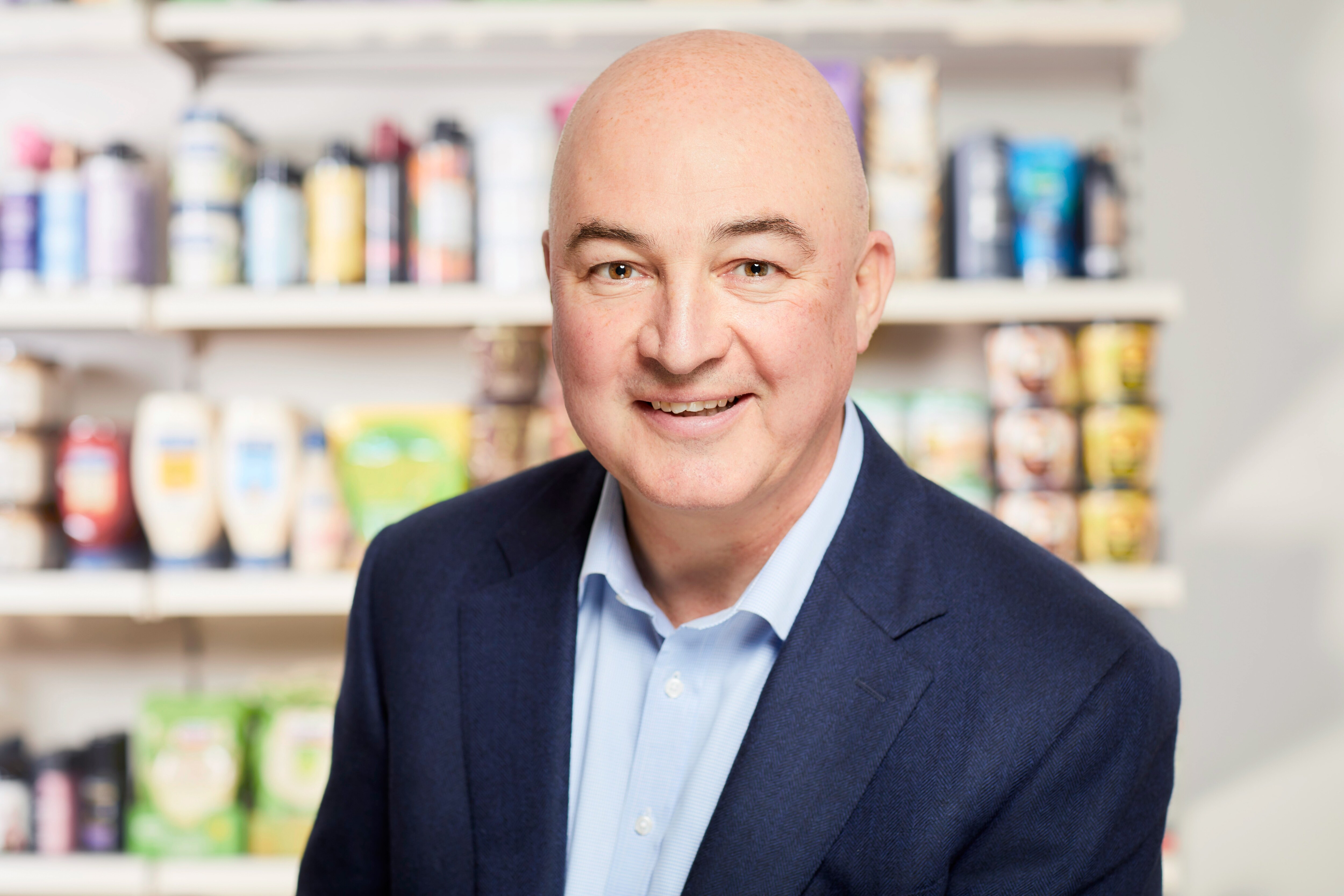
Unilever Plc's Alan Jope has a message for business leaders across the world: stop using costs as an excuse to shy away from making your companies more sustainable.
“We got to get out of this thought that sustainable business is costly,” the chief executive officer at the maker of Dove soaps to Magnum ice creams said during a panel discussion at the World Economic Forum 2022 in Davos. “It is in some places, but net-net we've saved $1.2 billion just by getting on to efficient energy early.”
Unilever's investors, Jope said, have exhorted them to focus on sustainability as a core part of business. And there are “hard commercial” reasons for them to do so.
“Unilever is not an NGO. We are a commercial organisation and we are finding more evidence that consumers, particularly young people, are making brand choices based on social and environmental impact,” he said. “Our sustainable brands, that outperform on environment and social, are growing much faster than the rest of our portfolio.”
Another compelling reason for companies to improve their sustainability quotient is that it will become harder to acquire talent if they don't do so, he said. “Try attracting people to join your organisation if you're not clear on what you stand for.”
We are staying the course on sustainable business, and part of that is reporting on financial metrics because it makes good, sound business sense.Alan Jope, CEO, Unilever
The consumer goods maker has set a target to achieve net-zero emissions for its own operations by 2030, and have its entire supply chain be net-zero by 2039. The plan entails a 100% reduction in emissions from direct and indirect sources from 2015-levels by the turn of the decade. It wants to halve the carbon footprint of its products during the same period.
Jope said eventually consumers will start making informed choices on the sustainability impact of the brands they are buying. And that is what will move the markets.
“Think about it, 20 years ago none of us cared much about kilo calories. But now you look at a pack and see it very clearly. 50 kcal is not too bad, but 500 kcal on a product and you'll think twice about it,” he said. “We need to do the same for carbon. Let consumers make the choice about the carbon impact of their decisions.”
The CEO called for standardisation in the way products are labelled to clearly spell out the carbon impact of each one of them. “The market will move towards low-carbon alternative. The final flush will be when end users make those decisions.”
Related Coverage:
Apollo Tyres' Neeraj Kanwar Says Supply-Chain Logjam, Coal Shortage Major Problems
Anish Shah Says There Will Be A Cost To Reconfiguring Supply Chains
ReNew Power's Sumant Sinha On Financial Viability Of Renewable Power
Manpower Group CEO On Whether The Great Resignation Is Over
Amitabh Chaudhry On What Happened At Axis Mutual Fund
Unilever CEO Says The Idea That Sustainability Is Costly Needs To Go
Interest Rates May Reach Pre-Pandemic Levels By August, Axis Bank CEO Says
SBI's Dinesh Khara Sees Lending Rates Rising By 40-90 Basis Points
Dr. Reddy's GV Prasad On U.S. Pricing Challenge, Growth And Russia

-
Signature Play: The Classic Cocktail Is Dead. Or Is It?

Classic cocktails are disappearing from India's cocktail menus. But they're still being ordered, taught to bartenders and borrowed from. So, who's really having the last drink?
-
A New Samvat Wishlist: Inclusive Prosperity And Human Development
India has strengthened its economic foundations through infrastructure, digital access and enterprise. Its next growth chapter must deepen productivity, create better livelihoods and widen participation in prosperity.
-
Love, Sex Aur Dhokha: The Audacious Plot To Spy On Jensen Huang
A Taipei dinner, a Singapore chip buyer and a suspected Chinese asset: inside the alleged spy operation that got close to NVIDIA's Jensen Huang.
-
Ten Things I Learnt This Samvat
Patience can be a trap. Cheap stocks can stay cheap. Leverage can wipe you out. What did Samvat 2082 teach us? Niraj Shah writes on 10 lessons from the year gone by.
-
Talking Points This Week: Tech Nerves, FII Buying, And A Faraway Banking Shock
The global markets are not shining this Diwali. The exception in the large markets is, India.
-
Midterm Rally Lasted A Day. The Hard Reality Of A Divided US May Last Two Years | Opinion
Between a contested AI boom, a debt ceiling that arrives in 2027 and a president with every incentive to act alone, the next two years may prove more volatile than the first day's rally suggests.
-
Blue Wave Will Derail the AI Trade but Won't Dismantle the AI Era | Unhedged Position
The Democrats' sweep of the US Congress will see politics collide with economic forces both over the long and short term.
-
It's Time To Take The GST Council's Bet On Trust Global
Payment records can prove India's services exports, and clear, proportionate rules can bring foreign digital sellers into the tax net.
-
Opinion | India at 38: From Innovation Overperformer to Innovation Powerhouse
India now has 453 VC-backed deep science startups, 18 of them late-stage, after 117 percent growth since 2020. Laurus Labs, at USD 9.3 billion, is the most valuable deep science company in any middle-income economy outside China.









