Daan Utsav: Bringing Quality Healthcare To Underprivileged Children
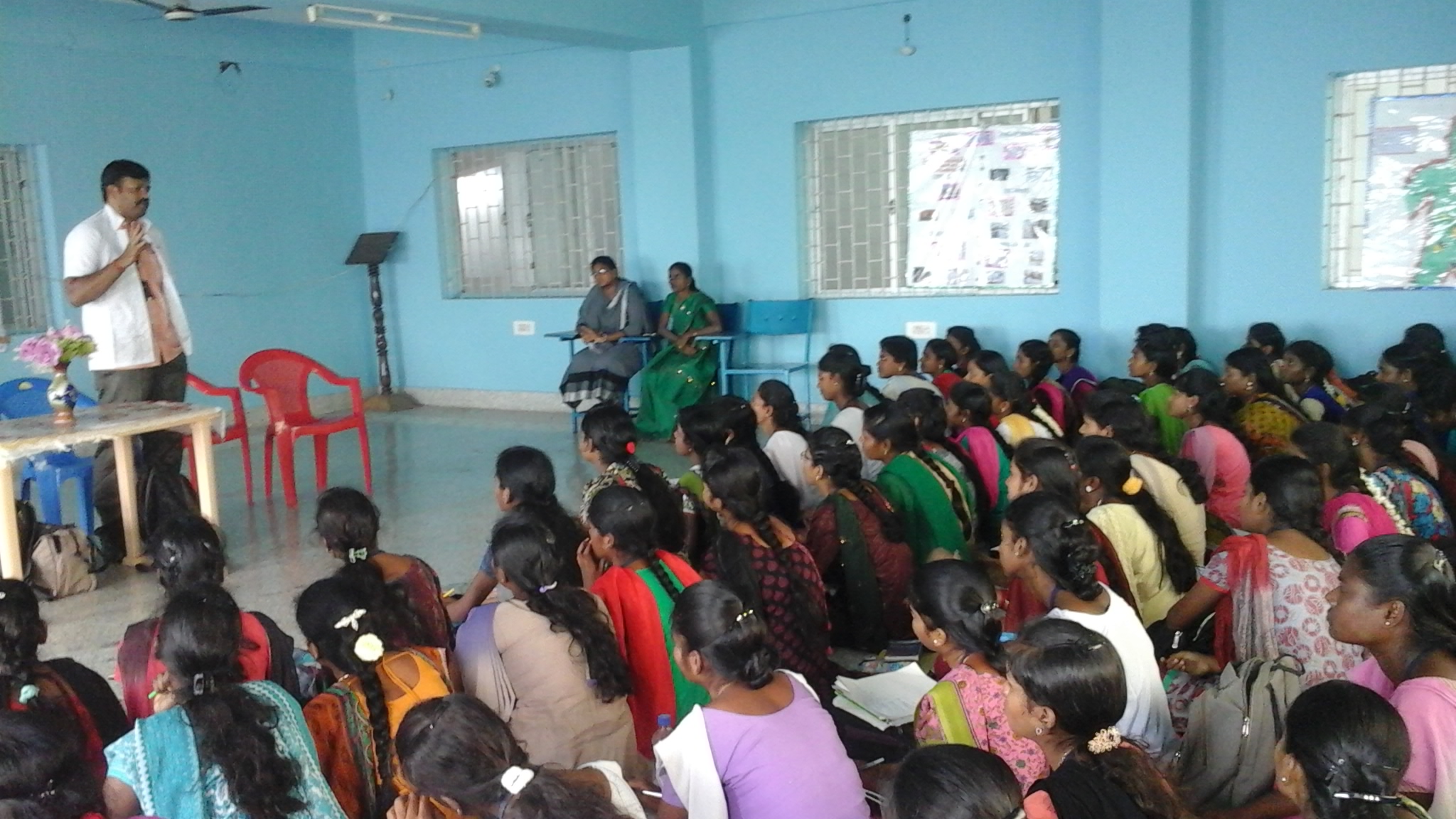
Daan Utsav celebrates acts of giving, from October 2 to October 8. BloombergQuint brings you on-ground stories of change, from social sector leaders shaping them.
I was born into a family of doctors, and grew up understanding the value of service. I loved philosophy and the question, “what am I?” was one that I asked my self a lot. The path taken to answer this was not as easy as one may think. Being a doctor, I was frustrated with the inadequacies of the healthcare available in India. I witnessed the number of children that were becoming victims of the inefficiencies of the system and saw doctors increasingly accepting these deaths as a routine problem. Often, I observed, the intensive care unit had limitations.
Children were often admitted to the ICU a little too late, and many parents could not make firm decisions on how much to spend on the afflicted child.
They had other children and were severely limited by their inability to afford the ICU facility. This pushed me to search for solutions. Initially, I assumed the role of a proactive doctor who visited orphanages around my hospital to identify, refer and treat sick children. Later, to achieve impact on a larger scale, I created a project that connected private doctors to orphanages around their hospitals. It started in 2006 as a community pediatric health project of Mehta Children's Hospital, where I was working as a junior consultant in the neonatal intensive care unit.
We initially tied up with 60 pediatricians who were friends, colleagues, and teachers, and matched them to 60 orphanages based on their location. We asked the each person in the group to take ownership of the healthcare of the children attached to their orphanage. Initially, everyone was enthusiastic, but soon most of them became unavailable due to their busy schedule. As a result, we started a nodal clinic model such that these children would be referred to the nearest available pediatrician. It was still a challenge to stay within a medical and hospital system and deliver effectively on this model. It was then that I quit my job and started the Ekam Foundation in 2007.
In 2009, Ekam Foundation was registered as a not-for-profit organisation. I felt we needed to scale operations to reflect practical needs and establish a proper system.
As the most vulnerable children came from adoption agencies, we started by training caretakers to identify sick children in time, provide emergency care and improve nutrition as needed.
Later, we expanded operations to government schools, where most orphaned children studied. Eventually, this network covered 80,000 children in Chennai. After witnessing the need for effective follow-up on treatment, we also started school health clubs. The teachers appreciated this because it brought about an observable improvement in the productivity in the children. The idea of involving diverse stakeholders for health, like local, political, and social officials in district health committees, has emerged from the experience with these school health clubs.
Children were often transferred to government hospitals when their families had no resources to pay.
Closing the loop, we realised we needed to go back to working within the government system as, with smaller investments, one could achieve a greater impact. Government hospitals needed support from us, not competition, as the target segment is poor children who cannot afford private care.

As Ekam grew, our focus expanded to the rising mortality of young and poor children who did not go to school. Seeking a direct outreach to migrant workers and communities in slums, we started community-based work on preventive neonatal and childcare. Ekam also created a community children's insurance scheme. Though my heart beats for these schemes, there are challenges to maintaining the financial sustainability of these efforts. We are trying to tie up funding arrangements with government schemes, international agencies, and private partnerships. Going forward, we want to set up excellent operational standards for our projects, with clear transparency and objectivity. The idea is to be a catalyst towards a bigger movement of ensuring that every mother and child have the freedom to live and experience holistic wellbeing. To that end, all our struggles and endeavours are truly worth it.
Dr. Sailakshmi Balijepalli is the founder of Ekam Foundation.
The views expressed here are those of the author's and do not necessarily represent the views of BloombergQuint or its editorial team.

-
The Economic Imperative: Analysing The Material Driving Force Behind India-Canada Strategic Reset

This economic complementarity is further reinforced by deep institutional investment ties and talent mobility, which form the bedrock of the bilateral framework.
-
Medicine Pricing: Where Must Profit Stop?
India must confront excessive margins, hidden incentives and regulatory gaps that threaten the integrity of medicine.
-
Why Amazon And Flipkart Are Struggling To Beat Meesho In India's Smaller Cities
With 274 million users and lowest-cost logistics, Meesho is defending its value commerce crown against giants like Amazon and Flipkart.
-
High US Salaries, No Green Card Certainty: The Financial Calculation Facing Indian H-1B Families
The suspension of PERM processing at eight technology employers does not cancel existing H-1B visas. What it does is force a question many Indian families have been avoiding: is the US salary worth tying your career and family plans to one employer?
-
Swiggy vs Eternal: Food Delivery's Two Rivals Are No Longer In The Same Race
Eternal is building a private AI assistant, dark.ai. Swiggy is still working out how to make Instamart pay, with an operating loss of Rs 895 crore in the July-September quarter while Blinkit stayed profitable.
-
Where You Live Shapes How You Get To Work | The Reason Why
Two-wheelers are the most popular way to get to work in India, accounting for nearly 43% of workplace commutes.
-
Unhedged Position: Can India See An Indonesia-Style Time Correction?
The Nifty is trading below levels it first clocked in 2024. Is there, then, as I have suggested in the headline, potential that the current time correction drags on painfully for the next three-five, even ten years?
-
Navigating Friction And Energy Realities: An Analysis Of Marco Rubio's October Visit To India
Occurring at a critical juncture marked by stalled trade negotiations and escalating geopolitical pressures over global energy supplies, the visit offers a profound window into modern US-India relations.
-
India Exports Capital. Why Not Export Trusteeship?
The big question, then, is whether India can build an institution that global borrowers, investors, banks, and lawyers can trust, even without an Indian connection.
-
France's Economy & Politics Are In Crisis | The Reason Why
Let's look at how the French economy and politics evolved under Nicolas Sarkozy, Franois Hollande and Emmanuel Macron.










