Cutting Back On Growth Will Help Indian Carriers, Says Boeing
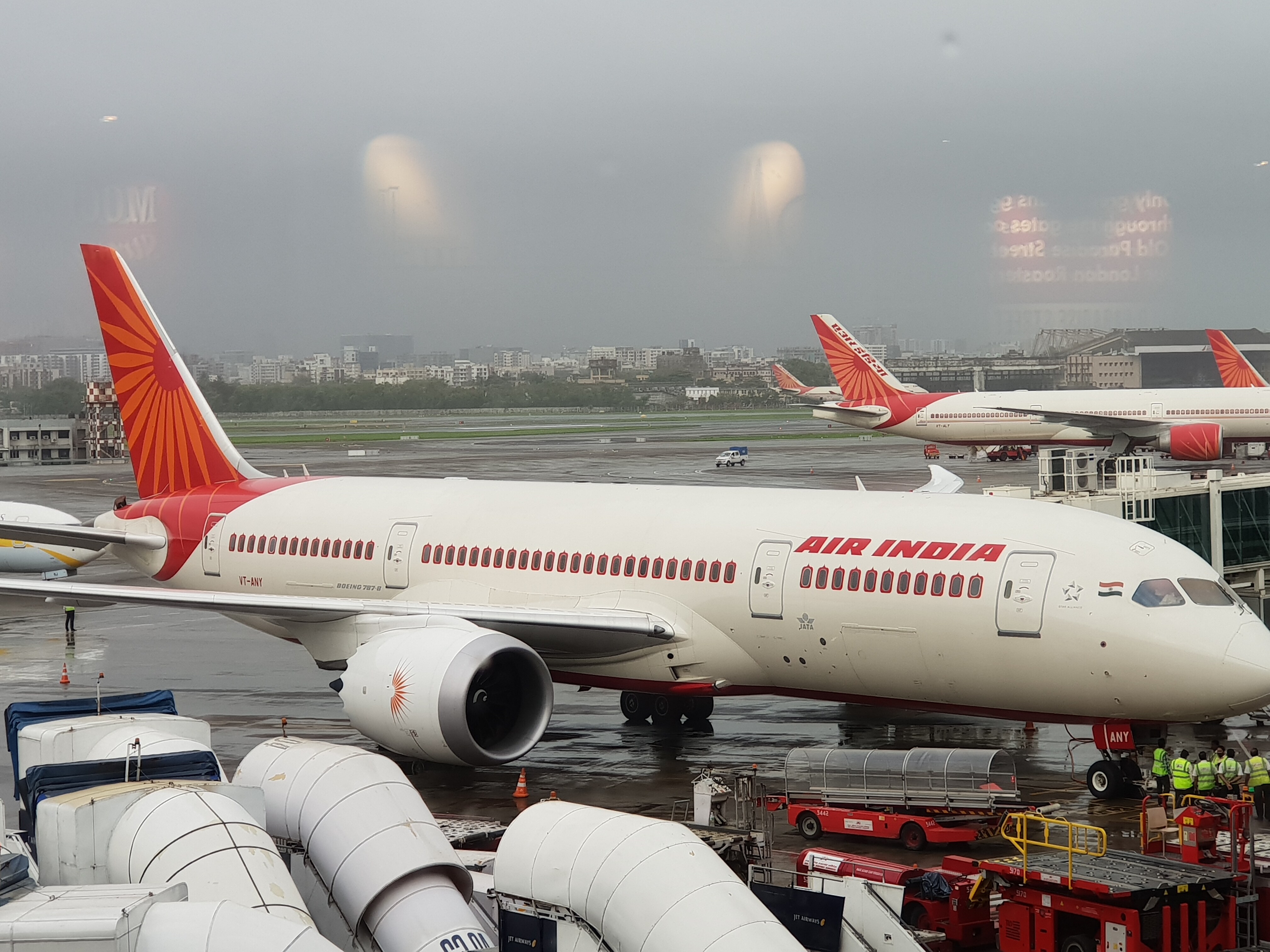
Boeing Co. has an advice for the world's fastest-growing aviation market, and it involves cutting back on growth.
“Airlines should achieve operational breakeven,” said Dinesh Keskar, senior vice-president-sales, Asia Pacific for Boeing, while unveiling the current market outlook for Indian aviation industry. “I am fine even if the traffic growth comes down to 14 percent from 18 percent due to fare hikes to achieve breakeven.”
Rise in jet fuel prices—which accounts for more than a third of an airline's operating costs—has piled up losses in the sector. A weaker rupee has only added to their woes. IndiGo, country's largest airline, posted its first quarterly loss after going public.
In the second quarter of the current financial year, Indian airlines made an operational loss of Rs 1,120 per seat on the busy Mumbai-Delhi route compared with a profit of Rs 199 per seat in the same period last year when aviation turbine fuel prices were low and rupee was appreciating, Boeing said in its presentation.
Despite an estimated growth of 18 percent in 2018, the hyper-competitive fares in India's aviation industry are leading to operational losses for airlines, said Keskar. This, according to Boeing, is unique to India.
Sale-And-Leaseback Model
The sale-and-leaseback model is not going to help either, said Keskar. Various Indian airlines raise short-term cash by selling aircraft to a lessor and then rent the same planes to keep themselves afloat without focus on “operational breakeven”, he said.
While operationally losing money, airlines in India are collecting a fair amount of money quarter after quarter via this model and the more airplanes they bring the more money they collect, he said, comparing the practice to “borrowing an unsecured loan”.
Boeing projects a worldwide demand of 42,700 aircraft in the next 20 years with Asia-Pacific accounting for 40 percent of it. It sees 2,300 airplane deliveries in India valued at $320 billion over the next 20 years. The airlines in the country—most of them low-cost are expected to spend $200 billion on single-aisle airplanes and $100 billion on wide-body aircraft.
Airlines have been placing large orders with aircraft manufacturers to get the delivery over a period of time. Jet Airways and Spicejet have placed an order for 200 aircraft each from Boeing while IndiGo and GoAir have placed with Airbus.
“It's not a rocket science, everybody who gets into a sale-and-leaseback market including the lessors' who play the sale-lease market game, they know that they are giving you the money and you will pay it over the time and it's that simple,” said Keskar.
Jet recently entered into sale and leaseback for which it received cash that helped the company to tide over the recent cash crunch, he said. “Boeing has transferred the airline to the lessors, but the delivery to Jet is yet to happen.”
Watch the full interview here:

-
Signature Play: The Classic Cocktail Is Dead. Or Is It?

Classic cocktails are disappearing from India's cocktail menus. But they're still being ordered, taught to bartenders and borrowed from. So, who's really having the last drink?
-
A New Samvat Wishlist: Inclusive Prosperity And Human Development
India has strengthened its economic foundations through infrastructure, digital access and enterprise. Its next growth chapter must deepen productivity, create better livelihoods and widen participation in prosperity.
-
Love, Sex Aur Dhokha: The Audacious Plot To Spy On Jensen Huang
A Taipei dinner, a Singapore chip buyer and a suspected Chinese asset: inside the alleged spy operation that got close to NVIDIA's Jensen Huang.
-
Ten Things I Learnt This Samvat
Patience can be a trap. Cheap stocks can stay cheap. Leverage can wipe you out. What did Samvat 2082 teach us? Niraj Shah writes on 10 lessons from the year gone by.
-
Talking Points This Week: Tech Nerves, FII Buying, And A Faraway Banking Shock
The global markets are not shining this Diwali. The exception in the large markets is, India.
-
Midterm Rally Lasted A Day. The Hard Reality Of A Divided US May Last Two Years | Opinion
Between a contested AI boom, a debt ceiling that arrives in 2027 and a president with every incentive to act alone, the next two years may prove more volatile than the first day's rally suggests.
-
Blue Wave Will Derail the AI Trade but Won't Dismantle the AI Era | Unhedged Position
The Democrats' sweep of the US Congress will see politics collide with economic forces both over the long and short term.
-
It's Time To Take The GST Council's Bet On Trust Global
Payment records can prove India's services exports, and clear, proportionate rules can bring foreign digital sellers into the tax net.
-
Opinion | India at 38: From Innovation Overperformer to Innovation Powerhouse
India now has 453 VC-backed deep science startups, 18 of them late-stage, after 117 percent growth since 2020. Laurus Labs, at USD 9.3 billion, is the most valuable deep science company in any middle-income economy outside China.









