Crude Oil Extends Losses As Rising COVID-19 Cases Spur Demand Concerns
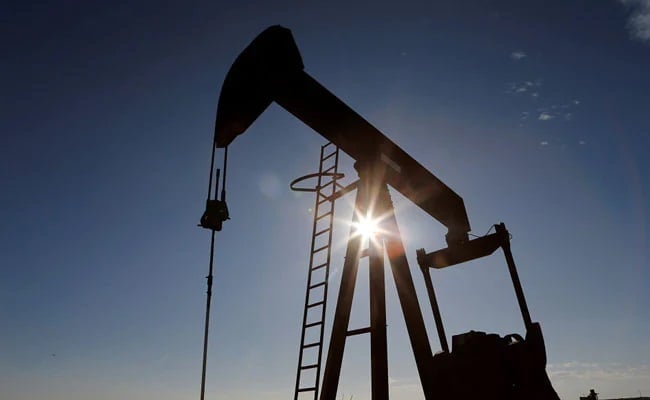
Oil prices fell for a second day on Wednesday as rising coronavirus cases prompted concerns about further restrictions on global economic activity that could curb fuel demand. Brent crude for November delivery dropped 57 cents, or 1.4 per cent, to $40.46 per barrel by 1005 GMT (3:35 pm in India). West Texas Intermediate fell 14 cents, or 0.4 per cent, to $39.15 per barrel.
The November Brent contract expires today, to be replaced by the December contract, which was down around 0.5 per cent at $41.36.
The benchmarks fell more than 3 per cent on Tuesday as global COVID-19 cases passed 1 million, having doubled in three months.. A monthly oil poll by news agency Reuters showed prices would have little upside this year.
"The increasing number of COVID-19 cases continues to raise alarm bells on energy demand," said Avtar Sandu, senior commodities manager at Phillip Futures.
"Concerns about stagnating demand and the return of Libyan exports continue to put pressure on oil prices," said Norbert Rucker from Julius Baer.
ING Economics also pointed out in a note: "Whilst demand is an issue for the market, the supply side of the equation is not helping either."
Libya's Sarir oilfield, which was producing more than 300,000 barrels per day (bpd) last year, restarted output after an eight-month blockade.
CEOs of the world's biggest trading companies are forecasting a weak recovery for oil demand and little movement in prices in the coming months and potentially years.
Marathon Petroleum Corp, the largest oil refiner in the United States, started imposing job cuts on Tuesday, according to people familiar with the matter.
Royal Dutch Shell also said it would cut up to 9,000 jobs.
To counter the fall in demand, the Organization of the Petroleum Exporting Countries is unlikely to increase oil production as planned from January next year, top oil traders said on Tuesday.
The market looked past data from the American Petroleum Institute on Tuesday showing U.S. crude oil stocks fell against expectations, focusing instead on the rise in gasoline inventories.

-
Signature Play: The Classic Cocktail Is Dead. Or Is It?

Classic cocktails are disappearing from India's cocktail menus. But they're still being ordered, taught to bartenders and borrowed from. So, who's really having the last drink?
-
A New Samvat Wishlist: Inclusive Prosperity And Human Development
India has strengthened its economic foundations through infrastructure, digital access and enterprise. Its next growth chapter must deepen productivity, create better livelihoods and widen participation in prosperity.
-
Love, Sex Aur Dhokha: The Audacious Plot To Spy On Jensen Huang
A Taipei dinner, a Singapore chip buyer and a suspected Chinese asset: inside the alleged spy operation that got close to NVIDIA's Jensen Huang.
-
Ten Things I Learnt This Samvat
Patience can be a trap. Cheap stocks can stay cheap. Leverage can wipe you out. What did Samvat 2082 teach us? Niraj Shah writes on 10 lessons from the year gone by.
-
Talking Points This Week: Tech Nerves, FII Buying, And A Faraway Banking Shock
The global markets are not shining this Diwali. The exception in the large markets is, India.
-
Midterm Rally Lasted A Day. The Hard Reality Of A Divided US May Last Two Years | Opinion
Between a contested AI boom, a debt ceiling that arrives in 2027 and a president with every incentive to act alone, the next two years may prove more volatile than the first day's rally suggests.
-
Blue Wave Will Derail the AI Trade but Won't Dismantle the AI Era | Unhedged Position
The Democrats' sweep of the US Congress will see politics collide with economic forces both over the long and short term.
-
It's Time To Take The GST Council's Bet On Trust Global
Payment records can prove India's services exports, and clear, proportionate rules can bring foreign digital sellers into the tax net.
-
Opinion | India at 38: From Innovation Overperformer to Innovation Powerhouse
India now has 453 VC-backed deep science startups, 18 of them late-stage, after 117 percent growth since 2020. Laurus Labs, at USD 9.3 billion, is the most valuable deep science company in any middle-income economy outside China.









