How Coronavirus Is Undermining Crop Prices, Derailing Rural Rebound
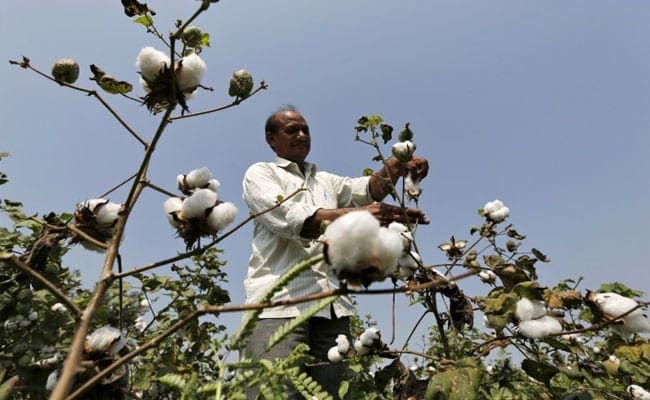
Farmer Banwarilal Bhardwaj was planning to buy a car after harvesting his winter-sown crops that were promising bumper returns. But coronavirus has shattered that dream, undermining farm commodity prices as it spreads around the world.
"I can't buy a car. Whatever I would earn, that will now be needed to repay a loan," said Mr Bhardwaj, who has planted rapeseed and chickpea on his six hectare farm in Rajasthan.
Rapeseed prices have slumped 16 per cent this year, while chickpea is down 10 per cent.
"If prices fall any further, I'll struggle to even repay the loan," Mr Bhardwaj said.
With more than 263 million farmers, the health of the country's farm sector can have a significant impact on the economy.
More than half of its 1.3 billion people depend on agriculture for their livelihoods, so profitable harvests tend to boost aggregate consumption while smaller crops or low prices can cause a slowdown.
After excessive rains damaged summer-sown crops in 2019, India was banking heavily on winter-sown crops to fuel a rebound in rural earnings.
However, the coronavirus outbreak sent crop prices tumbling just as Asia's third-biggest economy was expanding at its slowest pace in more than six years.
India has had 206 confirmed cases of the coronavirus, which emerged in China late last year, and four deaths. The numbers are rising.
In response, authorities have imposed travel restrictions and banned big gatherings, cutting food demand.
Prices for key crops like corn, soybeans, cotton and onions have plunged as much as 50 per cent just as farmers prepare for harvest, putting paid to prospects for a rural economic rebound.
"The impact of higher yields would be nullified by the lower prices. Farmer earnings on a net-to-net basis would remain the same," said Harish Galipelli, head of commodities and currencies at Inditrade Derivatives & Commodities in Mumbai.
False Hopes
Higher monsoon rains during June-September increased soil moisture and reservoir levels and spurred farmers to boost the winter crop planted area by 10 per cent from a year ago to 66.21 million hectares.
Farmers like Ramnaryan Mandloi from Sehore in Madhya Pradesh spent more on seeds and fertilizers as market prices and the weather both looked good.
"I've started harvesting wheat and prices are falling. I've already spent on seeds and fertilizers," said Mr Mandloi.
He has also been hurt by a 22 per cent fall in soybean prices this year, as poultry farmers slashed purchases of the animal feed.
Chicken sales have plunged in the last few weeks after rumours circulated on social media that chickens were spreading coronavirus, said Uddhav Ahire, chairman of Anand Agro Group, a poultry company.
Falling chicken demand has forced loss-making poultry farmers to cut corn and soymeal purchases, Mr Ahire said.
Usually prices of summer-sown crops start improving after supplies dwindle from February onward, but this year they have sunk as export demand plunged, said a Mumbai-based dealer of a global trading firm.
"After the recent sell-off in global prices, Indian farm commodities have become expensive for overseas buyers. Exports won't pick up unless local prices fall further," he said.
To make things worse, heavy rain fell in many parts of India in the past two weeks, which could damage yields.
"I could have harvested corn on three acres next week. But this week's rainfall has completely damaged the crop," said Prashant More, a farmer from Dhule district in Maharashtra.

-
We May Need Another Tukaram Mundhe To Fight Air Pollution | The Reason Why

Developers may install basic measures such as sprinklers and green nets, resume work, and continue violating rules when this equipment stops working.
-
Extracting Value From Battery Scrap Could Be Challenging For India | The Reason Why
A discarded lithium-ion battery still contains valuable materials such as lithium, nickel and cobalt. These can be recovered and reused. When such batteries are crushed and shredded, they produce a dark powder called black mass.
-
One El Nino, India Can Handle. Two Could Break The Granary
India's grain stocks can absorb one bad year, but a second El Nino could drain the buffer in two to three years, economists say.
-
India's Troika Of Good Luck | Joining The Dots
As Jensen Huang's exit drags Nvidia down, a cooling AI trade and resilient earnings have revived investor interest in India. A likely RBI rate hike looms.
-
Talking Points This Week: Leadership Shock At Nvidia, Earnings Strength, And The Fog Over Hormuz
The Anthropic IPO pricing and first trading day, Nvidia's upcoming earnings, and any fresh signals from Iran will set the tone for the following week.
-
Signature Play: The Classic Cocktail Is Dead. Or Is It?
Classic cocktails are disappearing from India's cocktail menus. But they're still being ordered, taught to bartenders and borrowed from. So, who's really having the last drink?
-
A New Samvat Wishlist: Inclusive Prosperity And Human Development
India has strengthened its economic foundations through infrastructure, digital access and enterprise. Its next growth chapter must deepen productivity, create better livelihoods and widen participation in prosperity.
-
Love, Sex Aur Dhokha: The Audacious Plot To Spy On Jensen Huang
A Taipei dinner, a Singapore chip buyer and a suspected Chinese asset: inside the alleged spy operation that got close to NVIDIA's Jensen Huang.
-
Ten Things I Learnt This Samvat
Patience can be a trap. Cheap stocks can stay cheap. Leverage can wipe you out. What did Samvat 2082 teach us? Niraj Shah writes on 10 lessons from the year gone by.
-
Talking Points This Week: Tech Nerves, FII Buying, And A Faraway Banking Shock
The global markets are not shining this Diwali. The exception in the large markets is, India.









