Two SpiceJet Lessors In Talks To Reclaim Planes Over Dues: Report
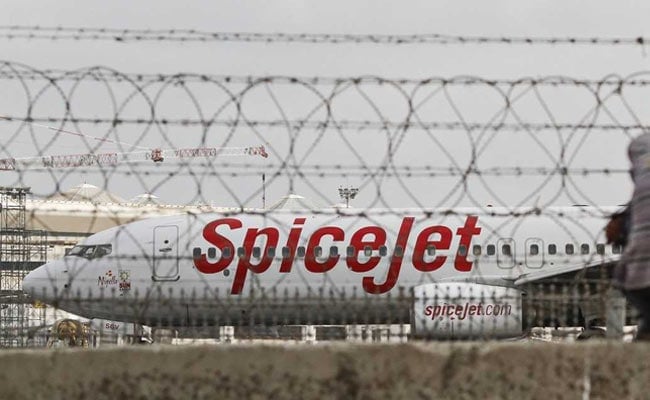
Two lessors to carrier SpiceJet are in talks to terminate contracts and repossess planes via mutually agreed deals with the airline over missed payments, according to two sources directly involved in the discussions.
One of the leasing companies started to pull out a few planes earlier this year after SpiceJet failed to pay maintenance fees due since late last year and lease rentals since last month, said one source, adding that talks were continuing over other jets.
The second lessor began discussions, which are ongoing, last month just as the coronavirus pandemic started crippling the airline industry, according to the second source.
About 10 planes in total have been or could be repossessed, with leases terminated with the airline's agreement, according to the sources, who declined to be named due to the sensitivity of the matter.
A SpiceJet spokesman described queries related to the discussions with lessors as "speculative, misleading and baseless".
"We share excellent relationships with all our partners and lessors and our agreements with them are confidential," he added.
"Our fleet structure and exits have been planned exits at our option to cater to the demand requirements," he said, adding that SpiceJet was taking various steps to re-align its operations with current travel restrictions worldwide.
The carrier did not comment on specific queries about dues owed to lessors or delays in making payments.
SpiceJet is not alone in wrestling with the impact of the coronavirus crisis, which has seen airlines worldwide seeking delays in rent and deliveries or state help. Estimated global airline losses from the coronavirus pandemic have climbed to $314 billion, trade body IATA said last week.
Avolon, a leading global lessor, said this month it had received requests from more than 80 per cent of its customers for relief from payment obligations.
Rapid Expansion
The two sources said the lease talks were instigated by the lessors but early termination deals would be mutually agreed with SpiceJet.
The second leasing company is in talks with the carrier to repossess a handful of Boeing 737 planes, also citing delayed payments, said the second source.
SpiceJet had a 119-strong fleet at the end of 2019. Its two-dozen lessors include Carlyle Aviation Partners, Aircastle and Avolon, according to industry data provider Cirium.
Carlyle and Avolon declined to comment, while there was no response from Aircastle.
SpiceJet's challenges in the pandemic crisis come on the heels of a rapid expansion early last year, when it took on around 30 leased planes from bankrupt Jet Airways and became India's second-largest airline by market share.
India's fast-growing airline market is also one of the most competitive. Weak economic growth over the past year hurt airlines even before the coronavirus outbreak led to a ban on commercial passenger flights until at least May 3.
Airlines including SpiceJet's bigger rival IndiGo and state-run Air India, have idled over 650 planes. India is working on an aviation rescue package for all airlines that could be worth as much as $1.6 billion.
($1 = Rs 76.5590)

-
Gold Is Rs 22,000 Cheaper Than A Month Ago. Should You Buy Amid The Wedding Season?

Gold's potential slide to $3,500 could save around Rs 4,700 per 10 grams, but a soft inflation print could just as easily push prices back up. One way to split the risk is to buy in parts, some now and the rest after the Fed's Dec. 9 decision.
-
AI Agents Are Gaining Power. Who Governs Them?
Artificial intelligence agents promise to transform productivity by moving machines from assisting decisions to executing them. But as organisations delegate greater authority to these AI-agents, they must first establish who controls that authority and who remains accountable when things go wrong.
-
Why Swapping Your Old Gold Can Trigger A Rs 5 Lakh Tax Bill, And How You Can Avoid It Legally
Swapping old gold for new is taxed as a sale and a fresh purchase. Getting your own gold remade can cut most of that bill, though it has its own costs.
-
The AI Trade is Done. The Real Opportunity for Investors Starts in 2027 | Unhedged Position
As pureplay AI stocks plunge and circular, capex-led financing unwinds, 2027 is set to be a year of reckoning for AI companies. Yet the bust clears the way for a better opportunity for investors in 2027 -- shifting the spotlight from AI builders to the companies using AI.
-
Leadership As Mission: Why The Age Of AI Demands More Human Leadership
Debjani Ghosh examines how AI is changing leadership, arguing that its success must be measured by its impact on people and the accountability of those guiding its use.
-
We May Need Another Tukaram Mundhe To Fight Air Pollution | The Reason Why
Developers may install basic measures such as sprinklers and green nets, resume work, and continue violating rules when this equipment stops working.
-
Extracting Value From Battery Scrap Could Be Challenging For India | The Reason Why
A discarded lithium-ion battery still contains valuable materials such as lithium, nickel and cobalt. These can be recovered and reused. When such batteries are crushed and shredded, they produce a dark powder called black mass.
-
One El Nino, India Can Handle. Two Could Break The Granary
India's grain stocks can absorb one bad year, but a second El Nino could drain the buffer in two to three years, economists say.
-
India's Troika Of Good Luck | Joining The Dots
As Jensen Huang's exit drags Nvidia down, a cooling AI trade and resilient earnings have revived investor interest in India. A likely RBI rate hike looms.
-
Talking Points This Week: Leadership Shock At Nvidia, Earnings Strength, And The Fog Over Hormuz
The Anthropic IPO pricing and first trading day, Nvidia's upcoming earnings, and any fresh signals from Iran will set the tone for the following week.









