Consumer Confidence Weakens Further In A Slowing Economy
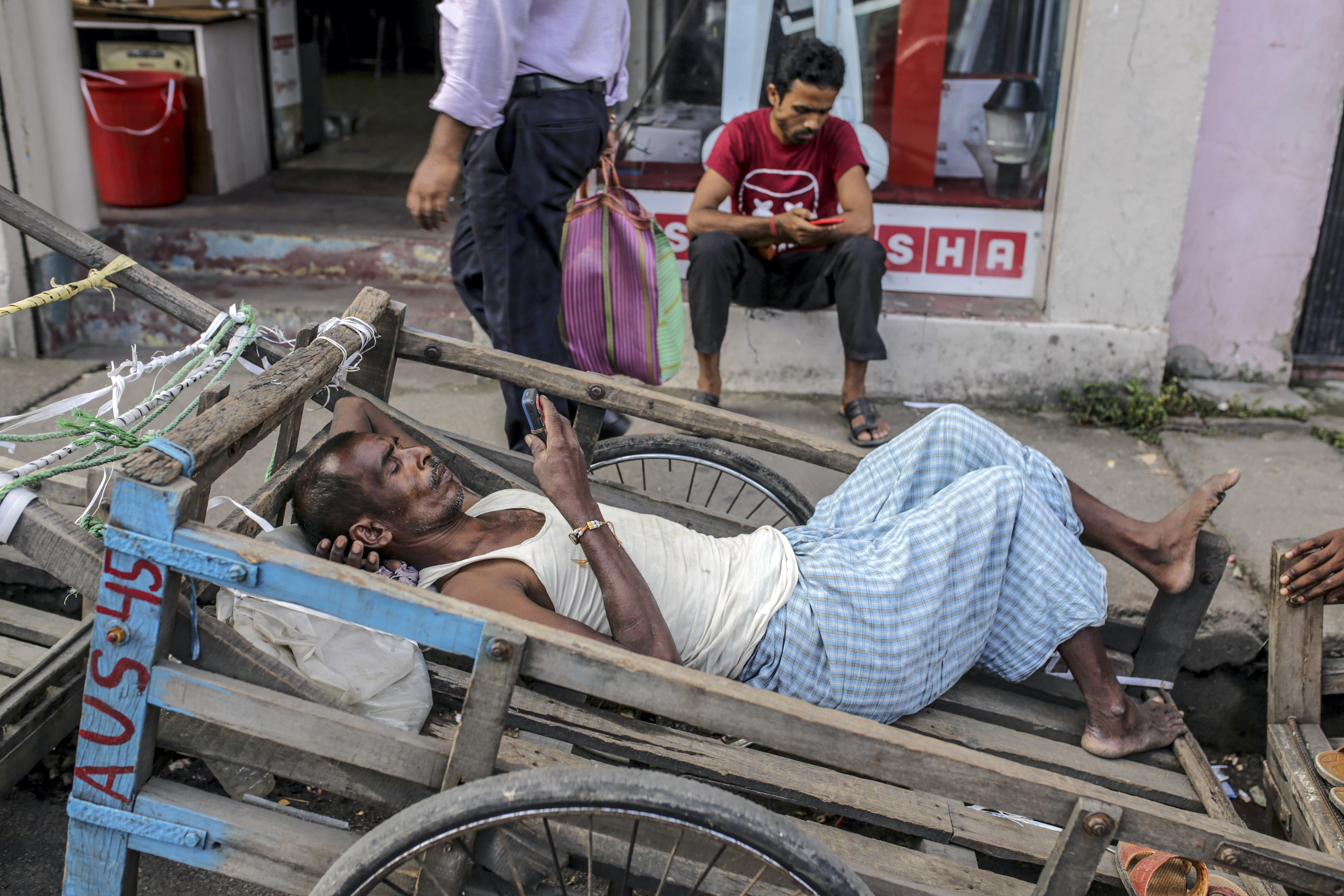
It's not just onion prices troubling Indians. A survey by the central bank showed that consumer sentiment has fallen to its lowest since at least March 2014 as the economy slows.
Consumer confidence weakened further, falling consistently from 104.6 in March 2019 to 85.7 in November 2019, according to the Current Situation Index of the RBI. That was mirrored by the Future Expectations Index which declined to 114.5 in November from 118 in the previous round of the survey in September.
And the consumer sentiment deteriorated across categories—current perception on the economic situation, employment, price levels, and income. One-year ahead expectations were buoyant in comparison, though consumers remained divided over whether they expected signs of improvement compared to the last round.

The sentiment reflects the slowdown in the economy as the GDP growth slipped to 4.5 percent in July-September, the weakest since 2013. Indicators from car sales to consumer goods volumes continue to show a decline in consumption. That's added to the central bank's conundrum as it paused its rate cut cycle as inflation rose on higher food prices.
Spending on non-essential items of consumption shrunk compared to a year ago, the Monetary Policy Committee said, adding that consumers expect their overall spending to remain unchanged largely due to an increase in prices.
Household inflation expectations, measured by the Reserve Bank's November round of the survey, showed a sharp increase of 120 basis points over three months earlier and by 180 basis points in the one-year ahead horizon, tracking the spike in food prices in recent months.
On the supply side, capacity utilisation fell to 68.9 percent in quarter ended September from 73.6 percent three months earlier, the MPC said citing the early results of the Reserve Bank's order books, inventories and capacity utilisation survey. Seasonally adjusted capacity utilisation fell to 69.8 percent from 74.6 per cent during the same period.
Manufacturing firms polled in the industrial outlook survey of the Reserve Bank expect weak demand conditions and reduced input price pressures in third and fourth quarters of the year ending March 2020. The survey suggests muted output prices, reflecting further weakening of pricing power.

-
The Economic Imperative: Analysing The Material Driving Force Behind India-Canada Strategic Reset

This economic complementarity is further reinforced by deep institutional investment ties and talent mobility, which form the bedrock of the bilateral framework.
-
Medicine Pricing: Where Must Profit Stop?
India must confront excessive margins, hidden incentives and regulatory gaps that threaten the integrity of medicine.
-
Why Amazon And Flipkart Are Struggling To Beat Meesho In India's Smaller Cities
With 274 million users and lowest-cost logistics, Meesho is defending its value commerce crown against giants like Amazon and Flipkart.
-
High US Salaries, No Green Card Certainty: The Financial Calculation Facing Indian H-1B Families
The suspension of PERM processing at eight technology employers does not cancel existing H-1B visas. What it does is force a question many Indian families have been avoiding: is the US salary worth tying your career and family plans to one employer?
-
Swiggy vs Eternal: Food Delivery's Two Rivals Are No Longer In The Same Race
Eternal is building a private AI assistant, dark.ai. Swiggy is still working out how to make Instamart pay, with an operating loss of Rs 895 crore in the July-September quarter while Blinkit stayed profitable.
-
Where You Live Shapes How You Get To Work | The Reason Why
Two-wheelers are the most popular way to get to work in India, accounting for nearly 43% of workplace commutes.
-
Unhedged Position: Can India See An Indonesia-Style Time Correction?
The Nifty is trading below levels it first clocked in 2024. Is there, then, as I have suggested in the headline, potential that the current time correction drags on painfully for the next three-five, even ten years?
-
Navigating Friction And Energy Realities: An Analysis Of Marco Rubio's October Visit To India
Occurring at a critical juncture marked by stalled trade negotiations and escalating geopolitical pressures over global energy supplies, the visit offers a profound window into modern US-India relations.
-
India Exports Capital. Why Not Export Trusteeship?
The big question, then, is whether India can build an institution that global borrowers, investors, banks, and lawyers can trust, even without an Indian connection.
-
France's Economy & Politics Are In Crisis | The Reason Why
Let's look at how the French economy and politics evolved under Nicolas Sarkozy, Franois Hollande and Emmanuel Macron.










